

Anaheim, California, March 1966. Brothers Paul and Jim Van Doren, together with Gordon Lee and Serge D'Elia, open the Van Doren Rubber Company. They make their shoes themselves and sell them directly to customers in the store. On the first day, twelve people order a pair.
What follows is a piece of sneaker history. Skaters in Southern California take to the grippy waffle sole. In 1976 the Era is born, together with Tony Alva and Stacy Peralta. A year later comes the Style 36 with the Sidestripe, the future Old Skool. In the early eighties, the film Fast Times at Ridgemont High makes the checkerboard Slip-On world famous.
Sixty years after that opening, Vans 2026 is a talking point again. Not because of a viral moment, but because a brand has patiently rebuilt itself. If you want to understand why Vans 2026 keeps turning up on the street, in the skatepark and on the runway, look at what has changed over the past few years.
Sixty years Off The Wall
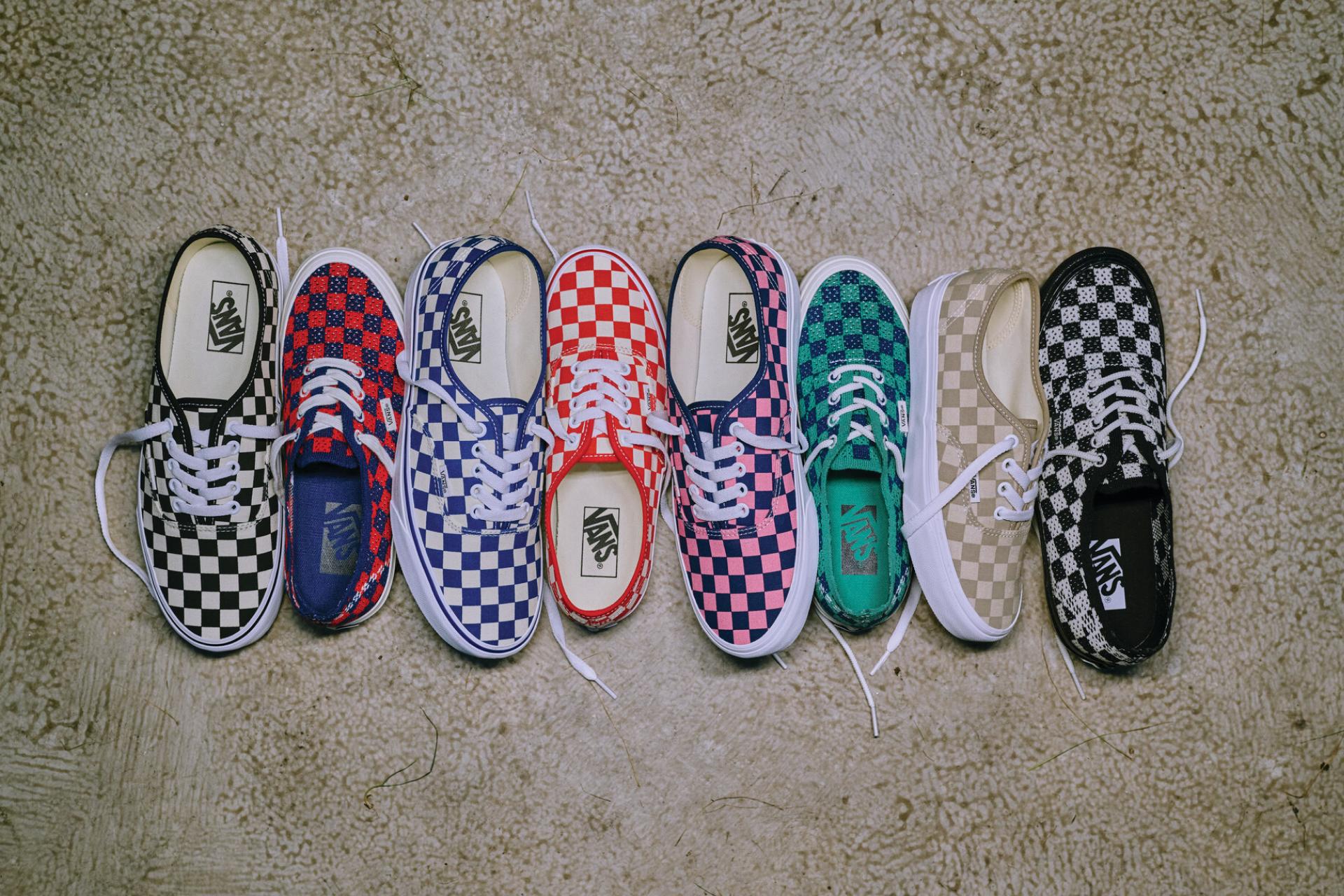
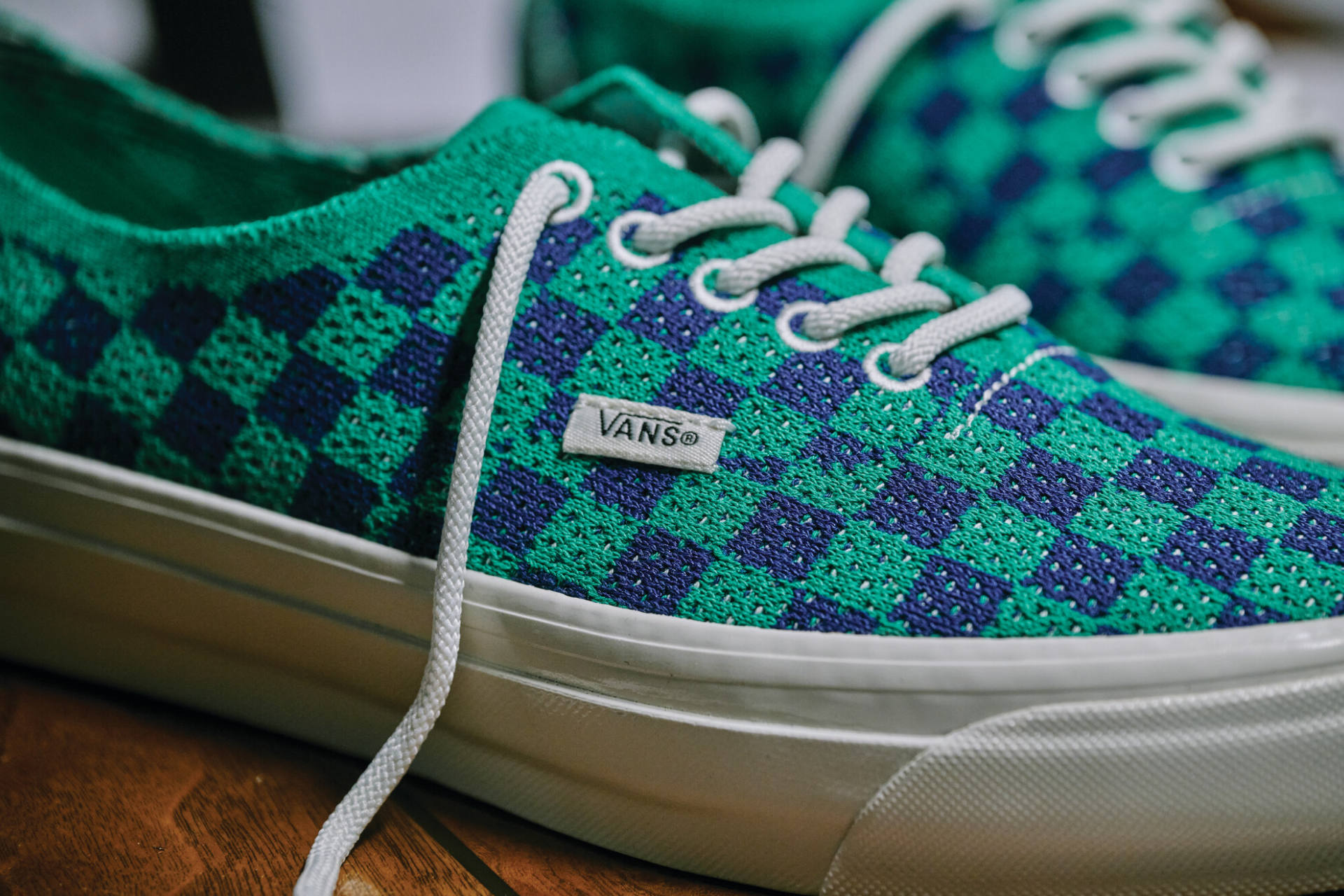
Vans marked the anniversary itself in March with the Off The Wall campaign. At its centre is the Authentic, the model that started out in 1966 as the Style 44: a simple deck shoe with a notably thick sole.
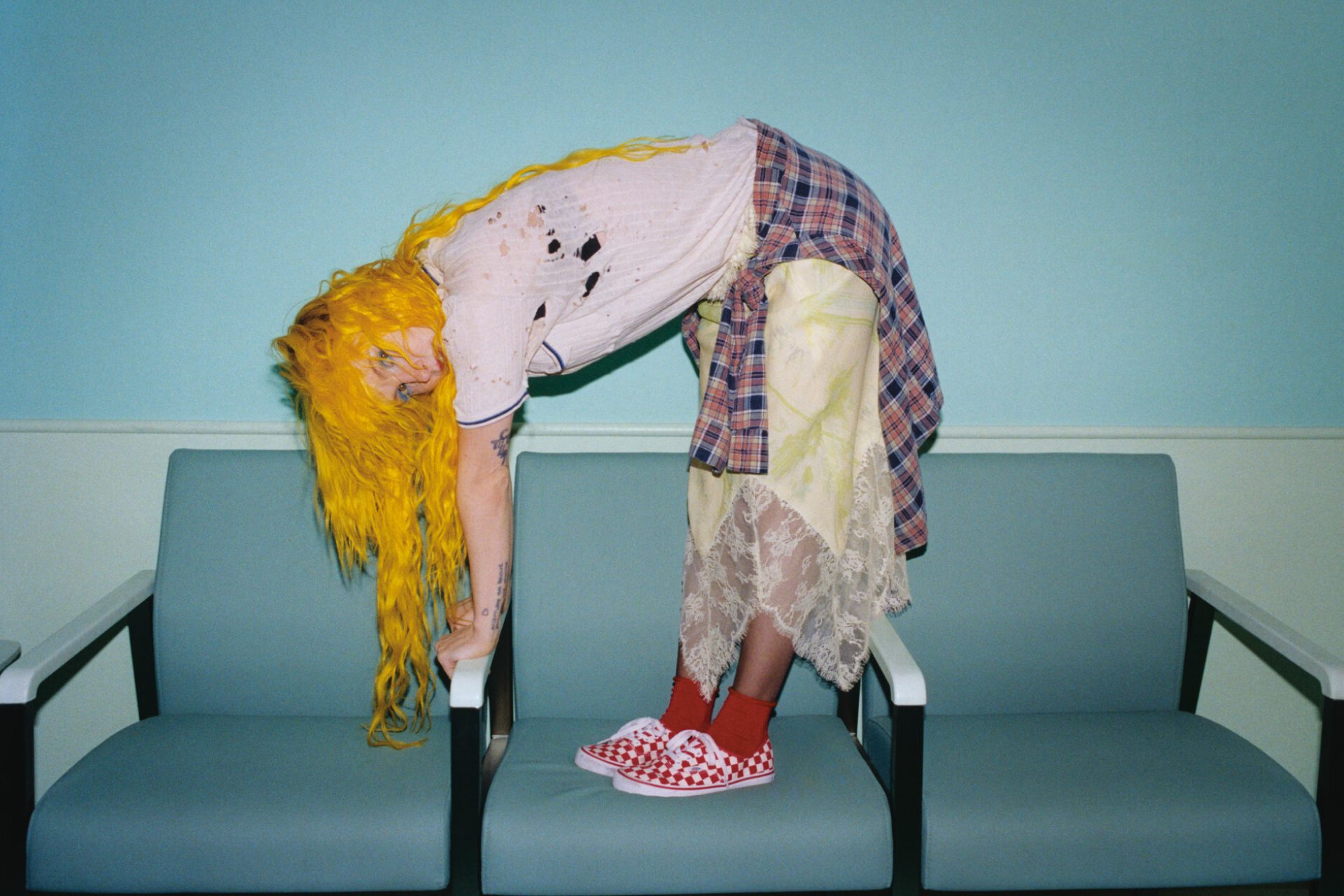
Photographer Rosie Marks captured a cast that shows how widely the brand lives today. SZA stands alongside Blink-182 drummer Travis Barker, Paramore singer Hayley Williams and Turnstile bassist Franz Lyons. Skaters Lizzie Armanto and T-Funk keep the link to the board.
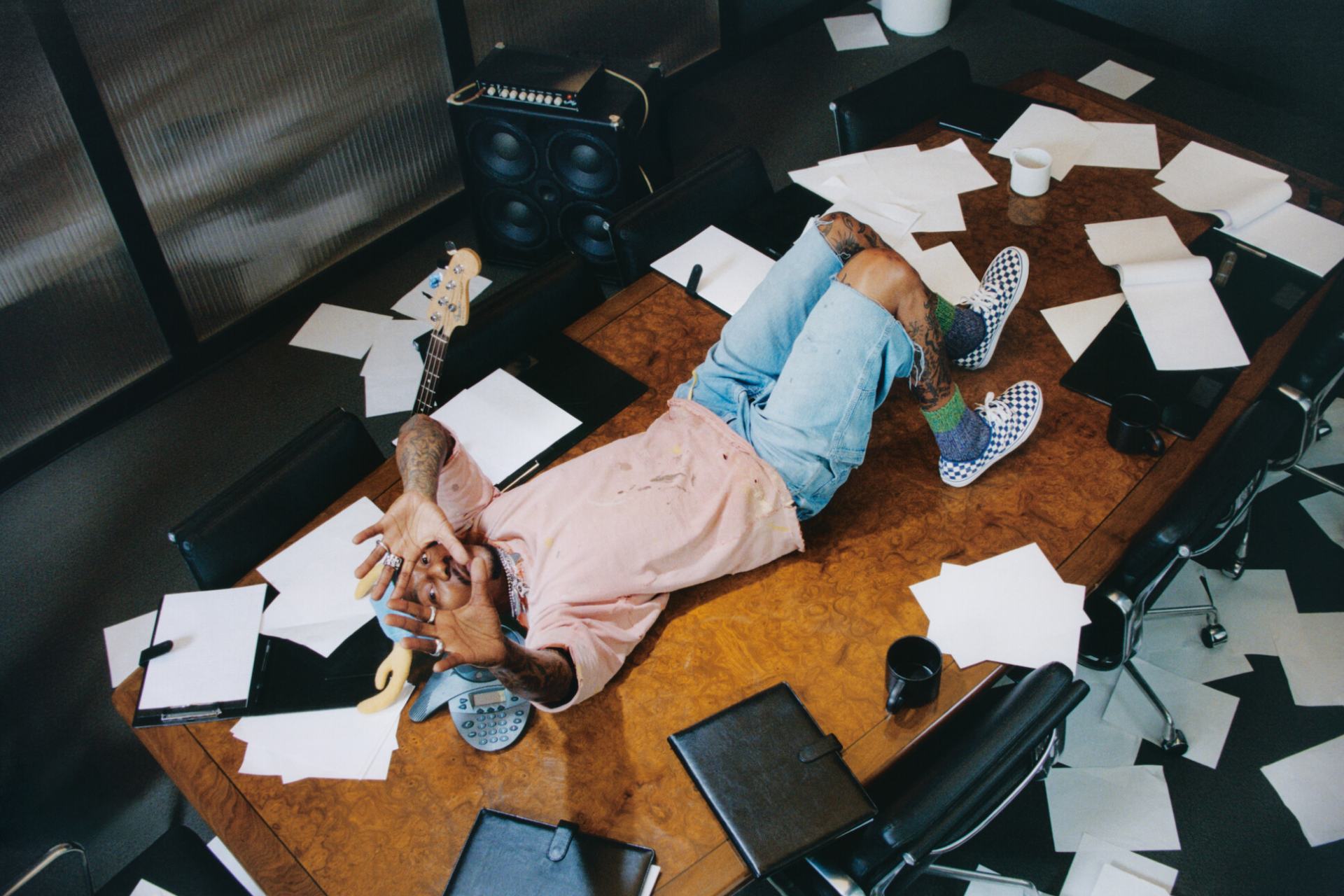
The collection arrived in waves, from 12 March with a second run in April. Checkerboard in every variation, florals, sea life and colour-blocking: the Authentic as a canvas for sixty years of visual language.
From slump to restart
The anniversary lands at a notable moment. Around 2016, Vans looked untouchable. Fear of God pushed the brand into luxury territory, and Frank Ocean wore checkerboard Vans to a state dinner at the White House.
Then the attention shifted. Chunky dad sneakers, runners and a stream of collabs from other brands pushed the checkerboard into the background.
The turnaround started from within. Sun Choe, previously Chief Product Officer at Lululemon, became Global Brand President and set a new course. According to UK trade media, Vans closed more than 140 stores during that period.
Less noise, sharper choices. The brand went back to what always set it apart: skateboarding, independent culture and shoes you never have to explain.
The numbers follow
That approach is now being noticed beyond the sneaker world. On 13 October 2026, investment bank Piper Sandler upgraded parent company VF Corporation to 'overweight'. The reason: Vans.
In its fall survey of around 9,000 US teens, Vans ranked seventh among favourite footwear brands for boys, back at that level for the first time in two years. According to the analysts, foot traffic at Vans stores hit its highest level since February 2023.

What stands out is who is buying in. Gen Alpha missed the last Vans wave and is getting to know the Old Skool and Slip-On as new shoes.
At the same time, older fans are coming back, tired of limited drops and resell prices. They would rather pick up a pair that is simply on the shelf. Pop culture helps too: in Stranger Things, Sadie Sink wore Vans as Max, putting the brand in front of a new generation of viewers.
Back to the skate roots
The heart of the renewal lies in skateboarding. Vans is also celebrating 50 years of skate this year and brought back the 1976 Era for the occasion. Since February, the Skate Era has been back in the Skate line.
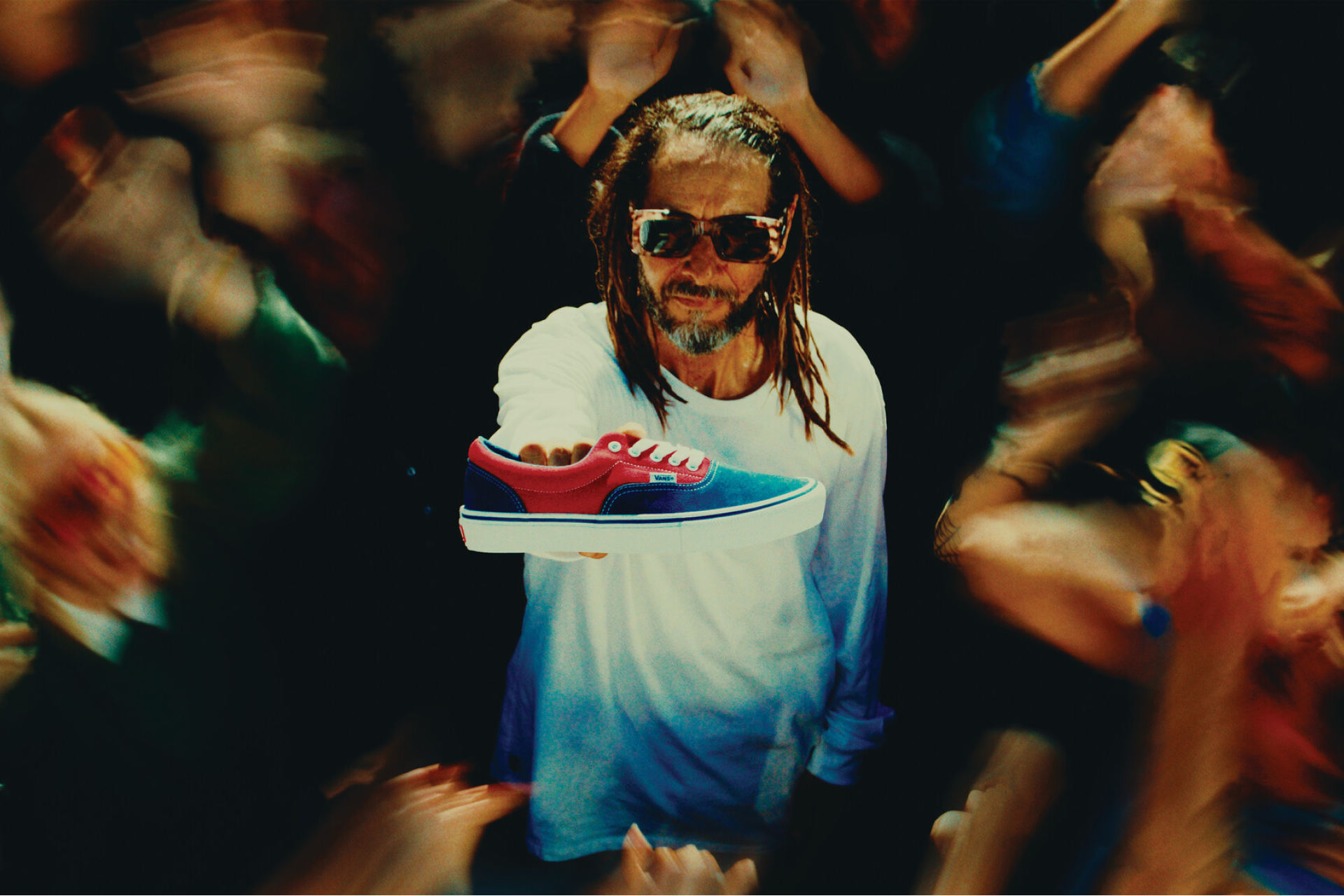
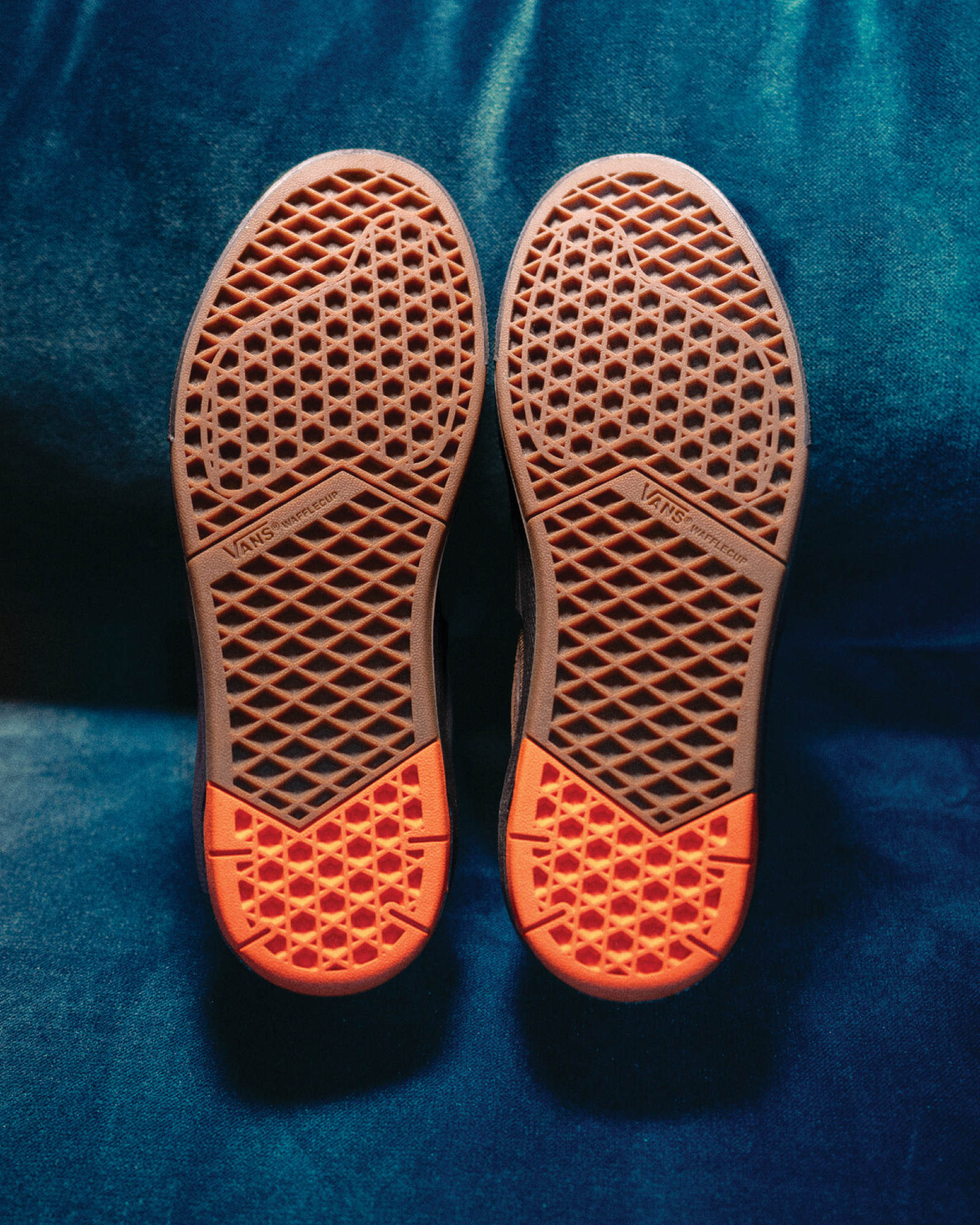
On 17 March, the Skate Era WaffleCup followed worldwide, with what Vans calls its most advanced skate outsole to date: the support of a cupsole combined with the boardfeel and flexibility of a vulcanised sole.
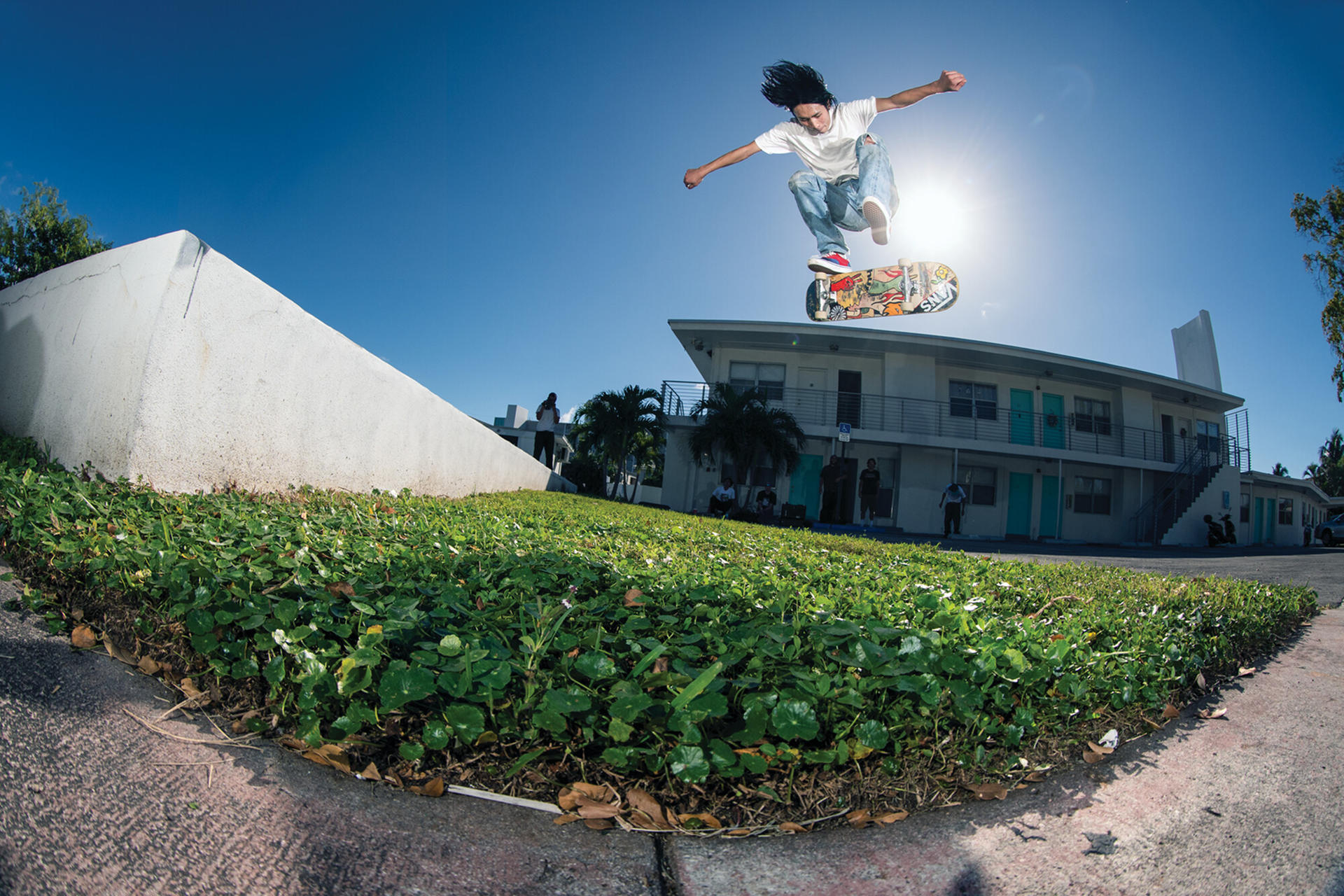
The Old Skool and Half Cab got a WaffleCup version too. The message from Vans is clear: the lifestyle hype can grow, but the skater remains the benchmark.
Right on trend
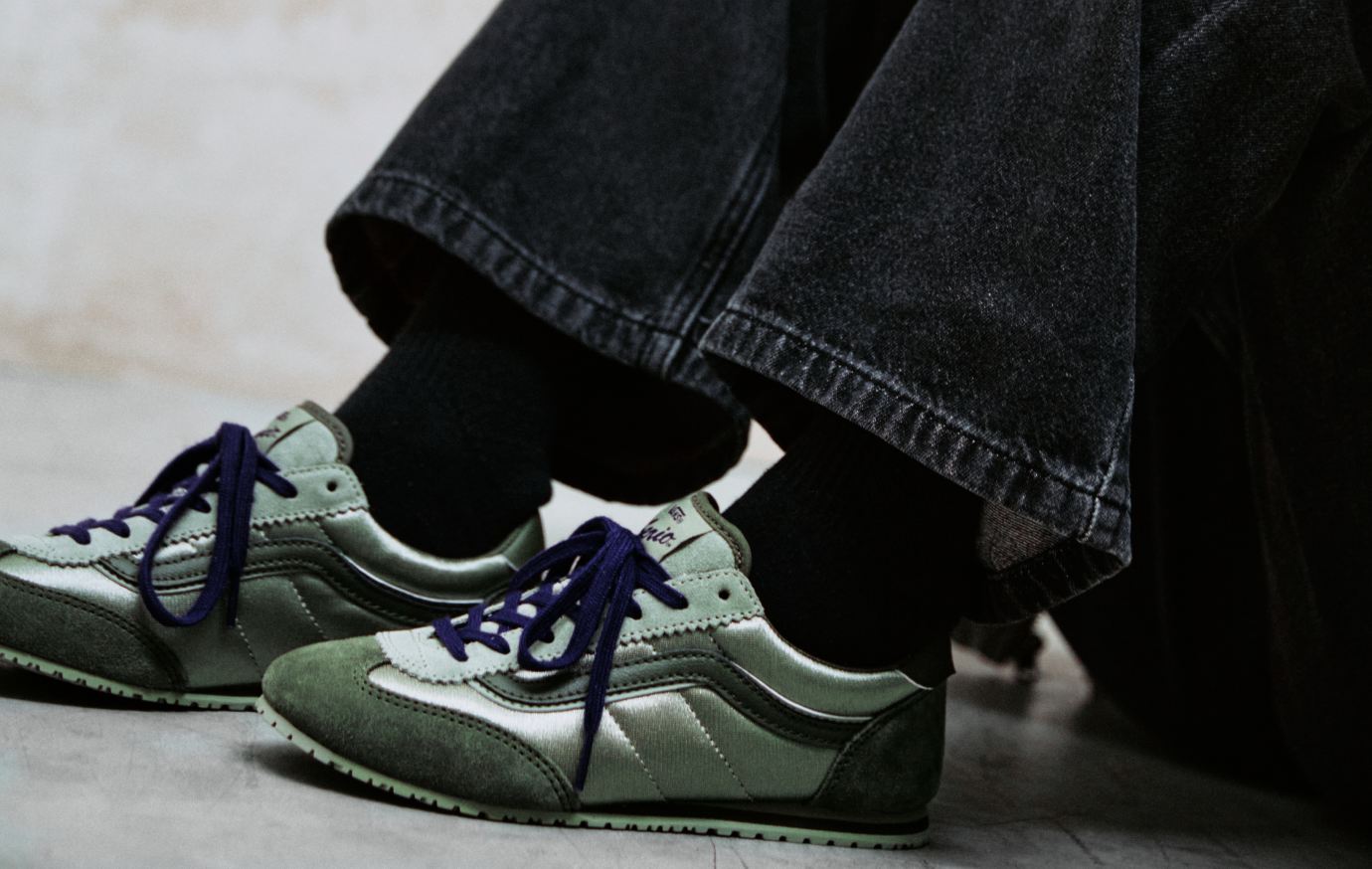
The timing helps. The 2026 sneaker year revolves around two extremes. On one side, slim, low-profile silhouettes, the same line that made the Puma Speedcat and adidas Taekwondo big. Vans answers with the Super Lowpro.
On the other side are exaggerated nineties proportions, where the Knu Skool fits right in. Add embellished sneakers, ballet-flat hybrids and more texture.
Nostalgia runs through all of it: think wide-leg denim, analogue cameras and the look of the iPod Classic. The colour palette moves along too. Vans names teal as one of the colours of the moment.
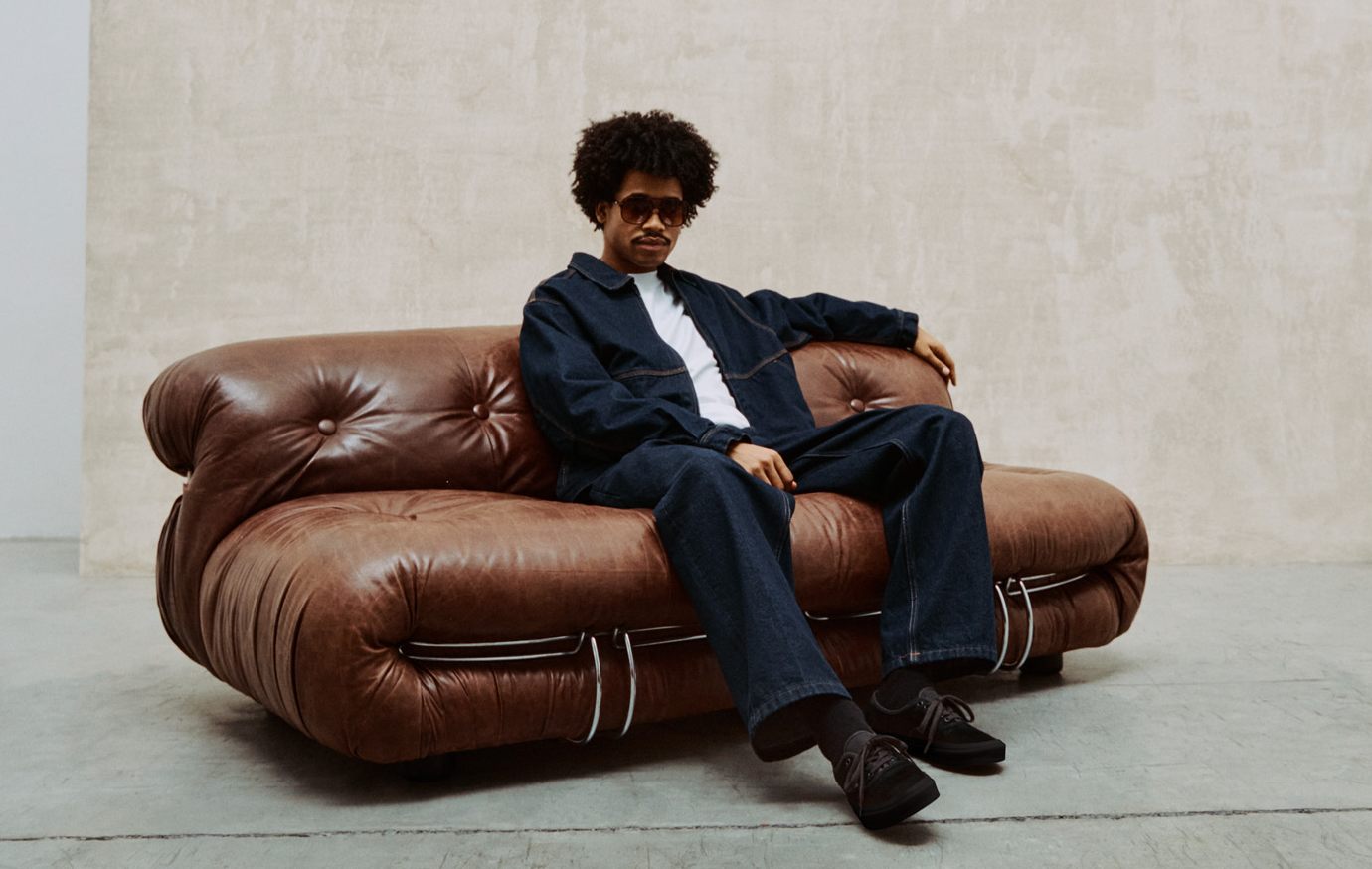
Vans doesn't need to invent anything for this shift. The archive is already there. The craft is in the finish, and that is where Vans 2026 shows its most surprising side.
Pearls on a worn-in Old Skool
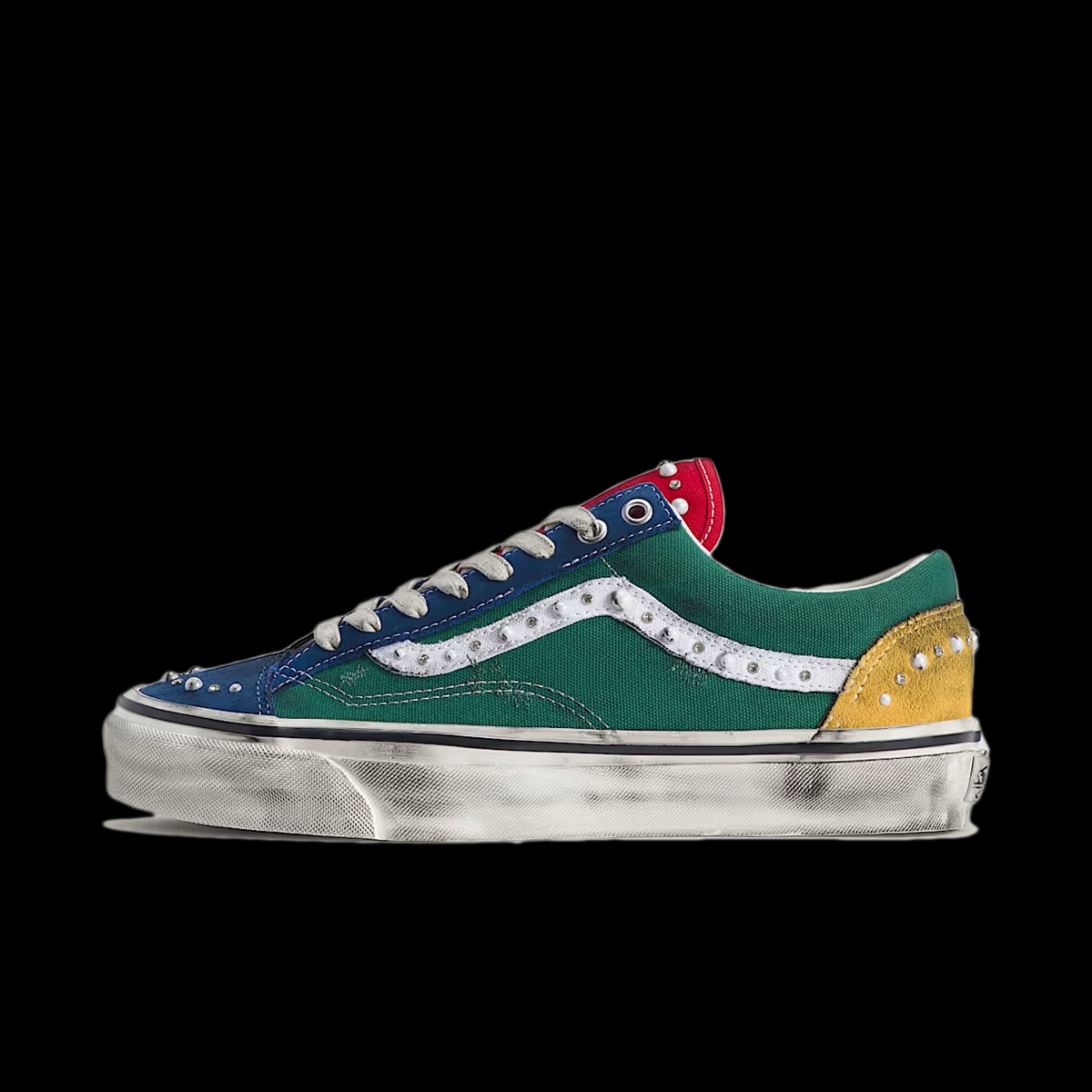
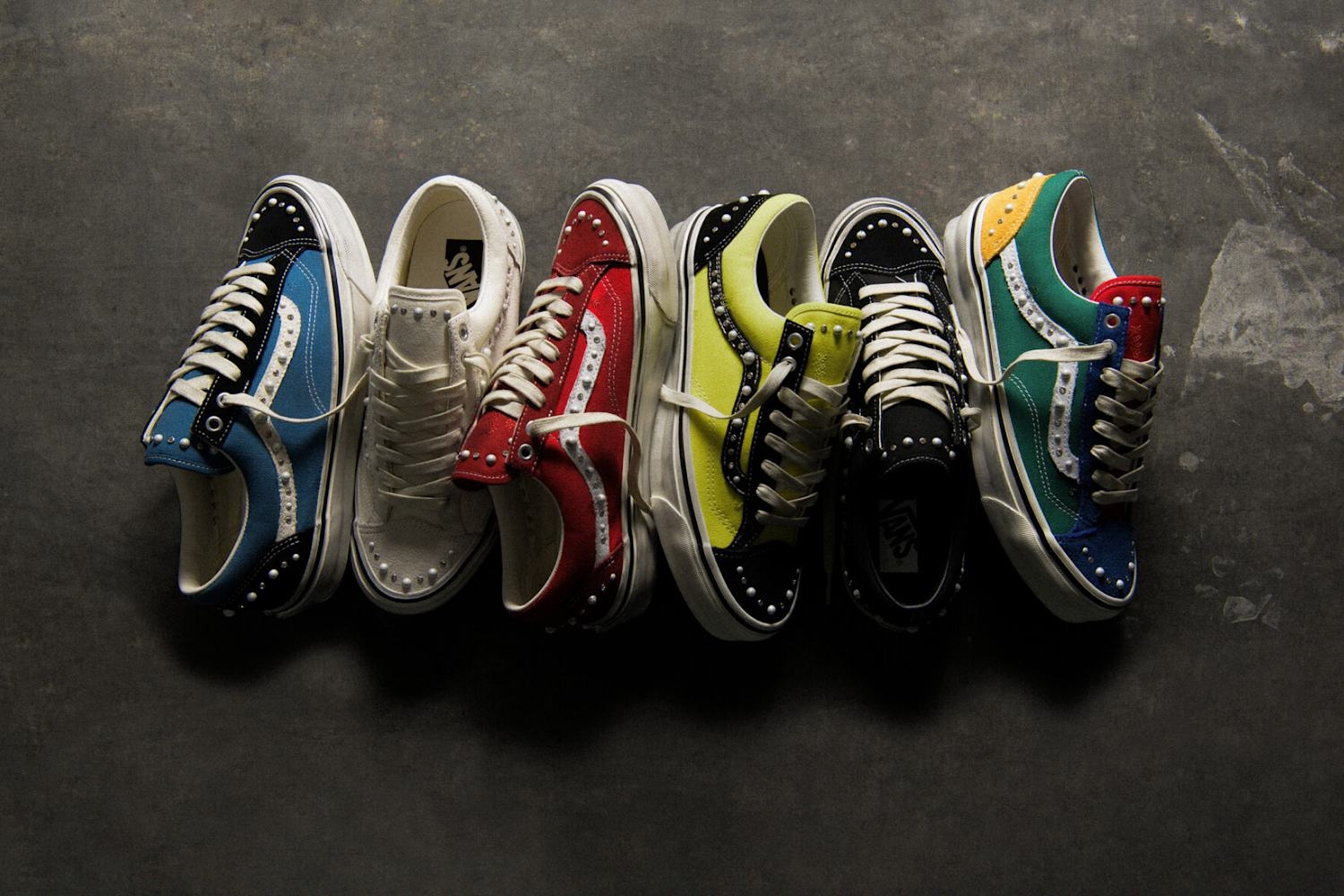
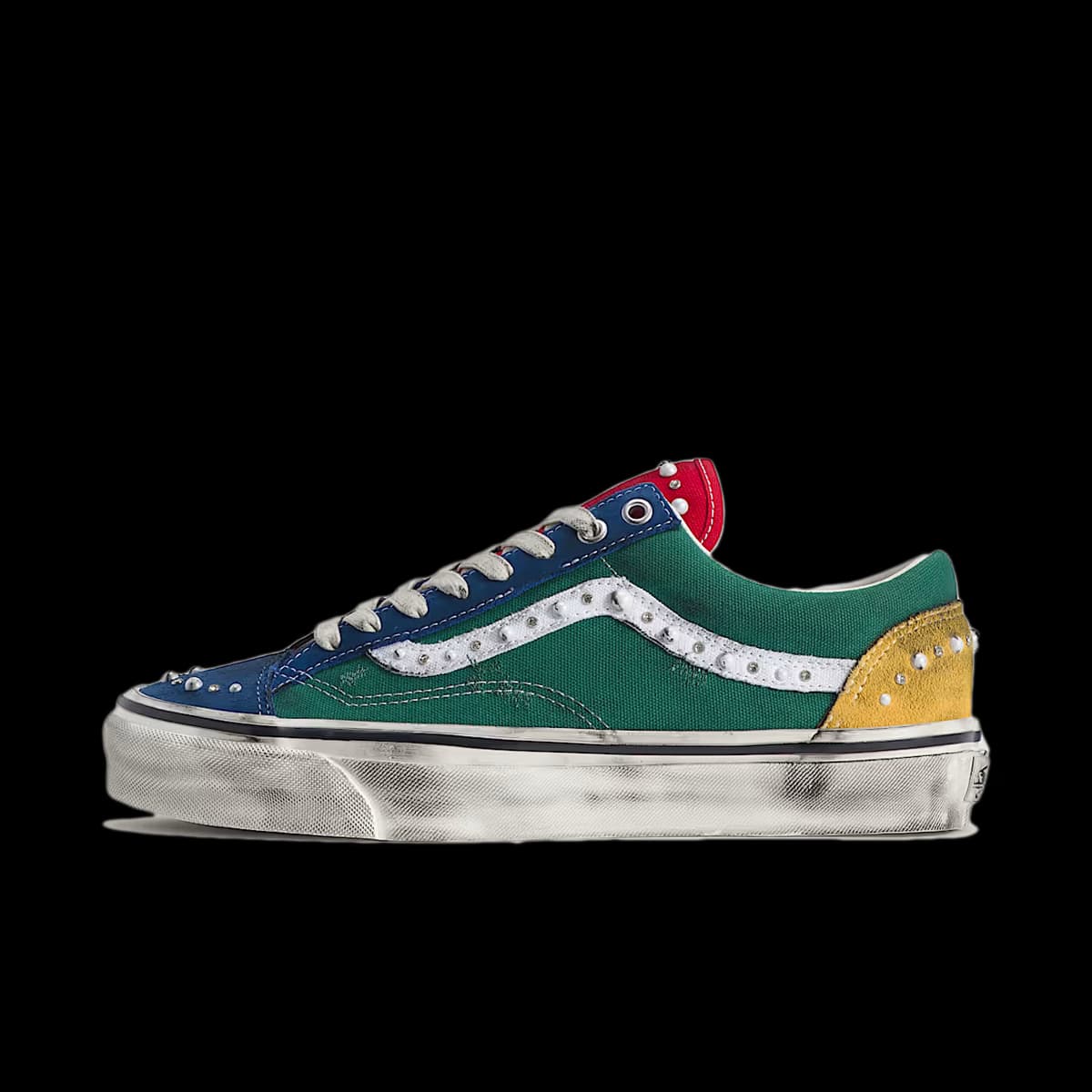
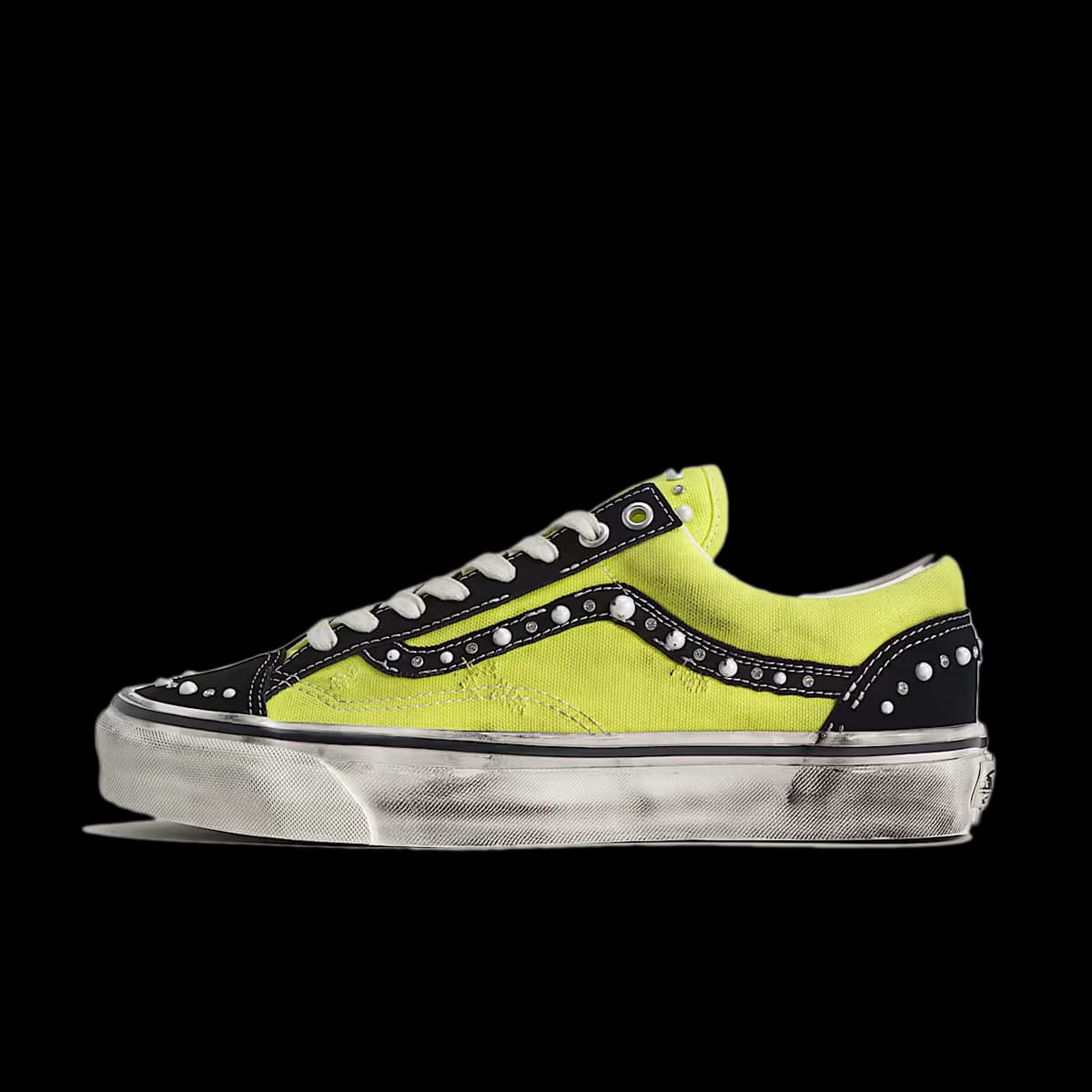
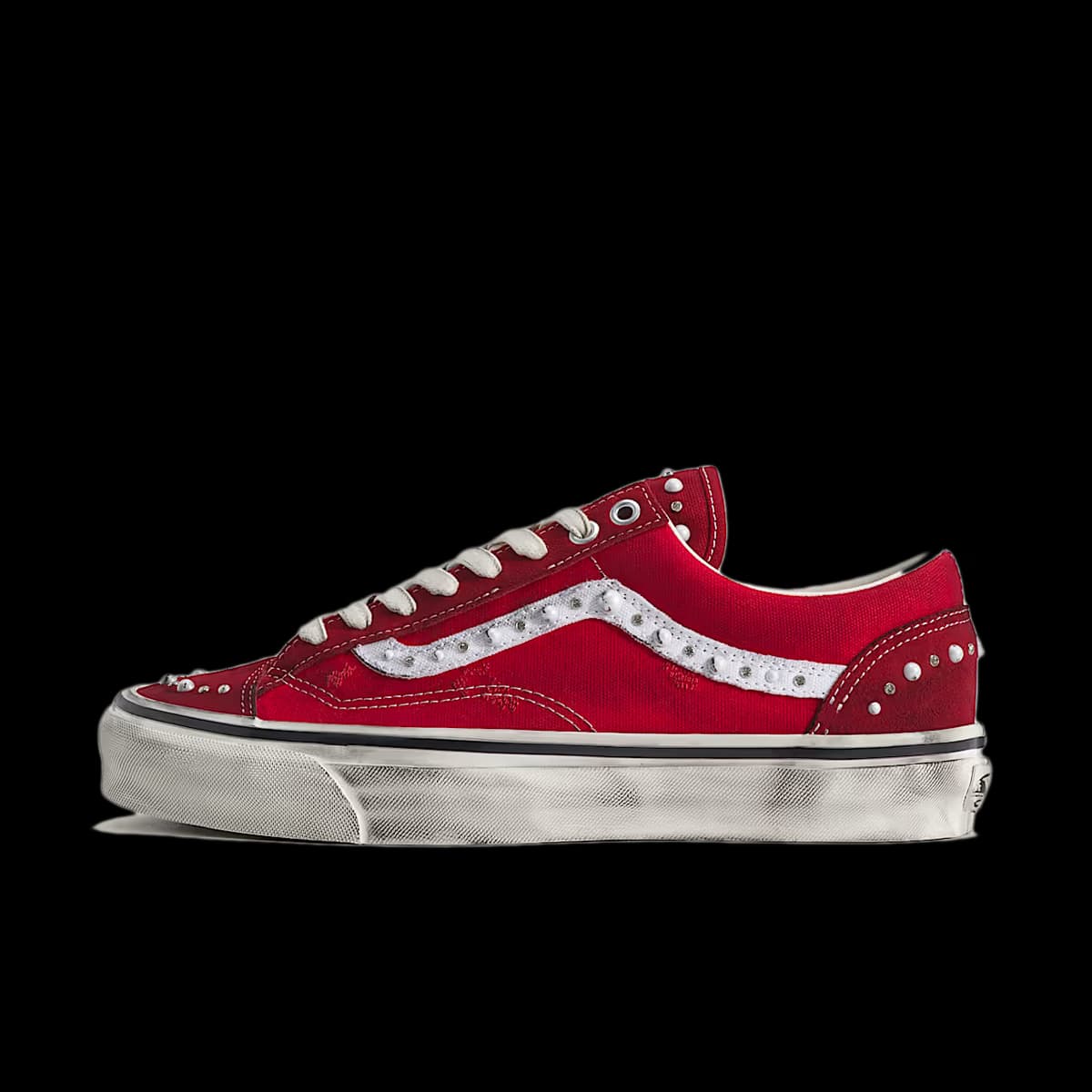
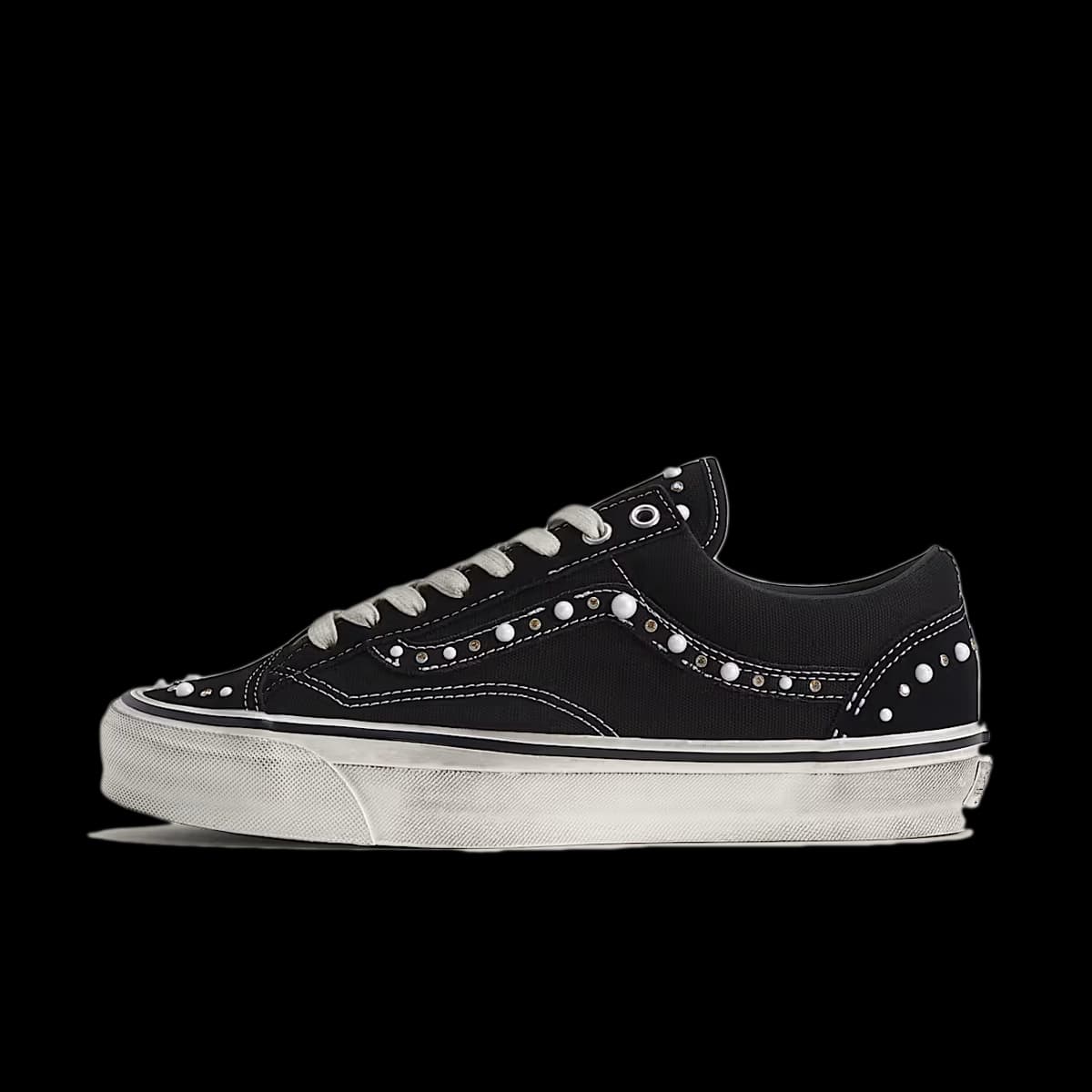
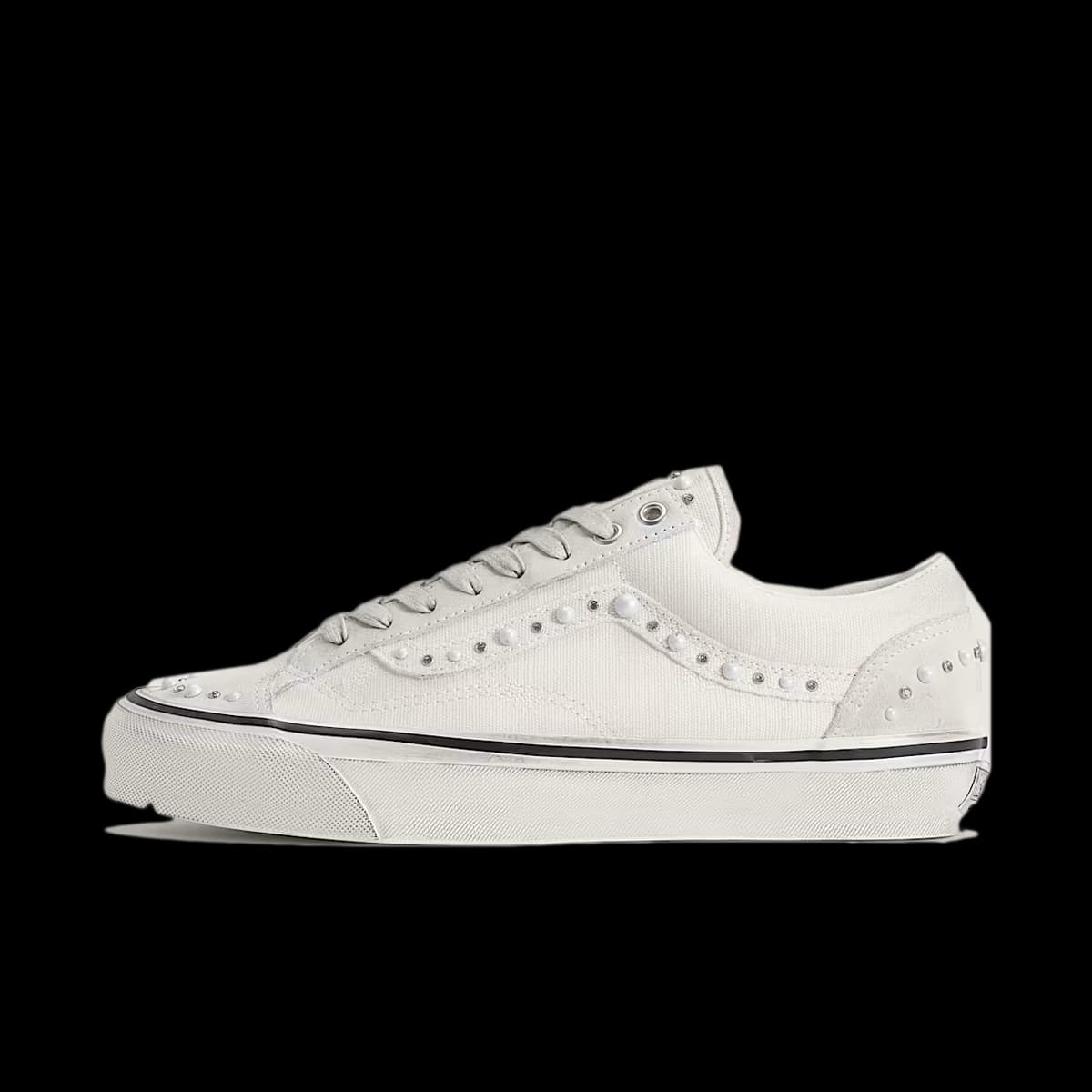
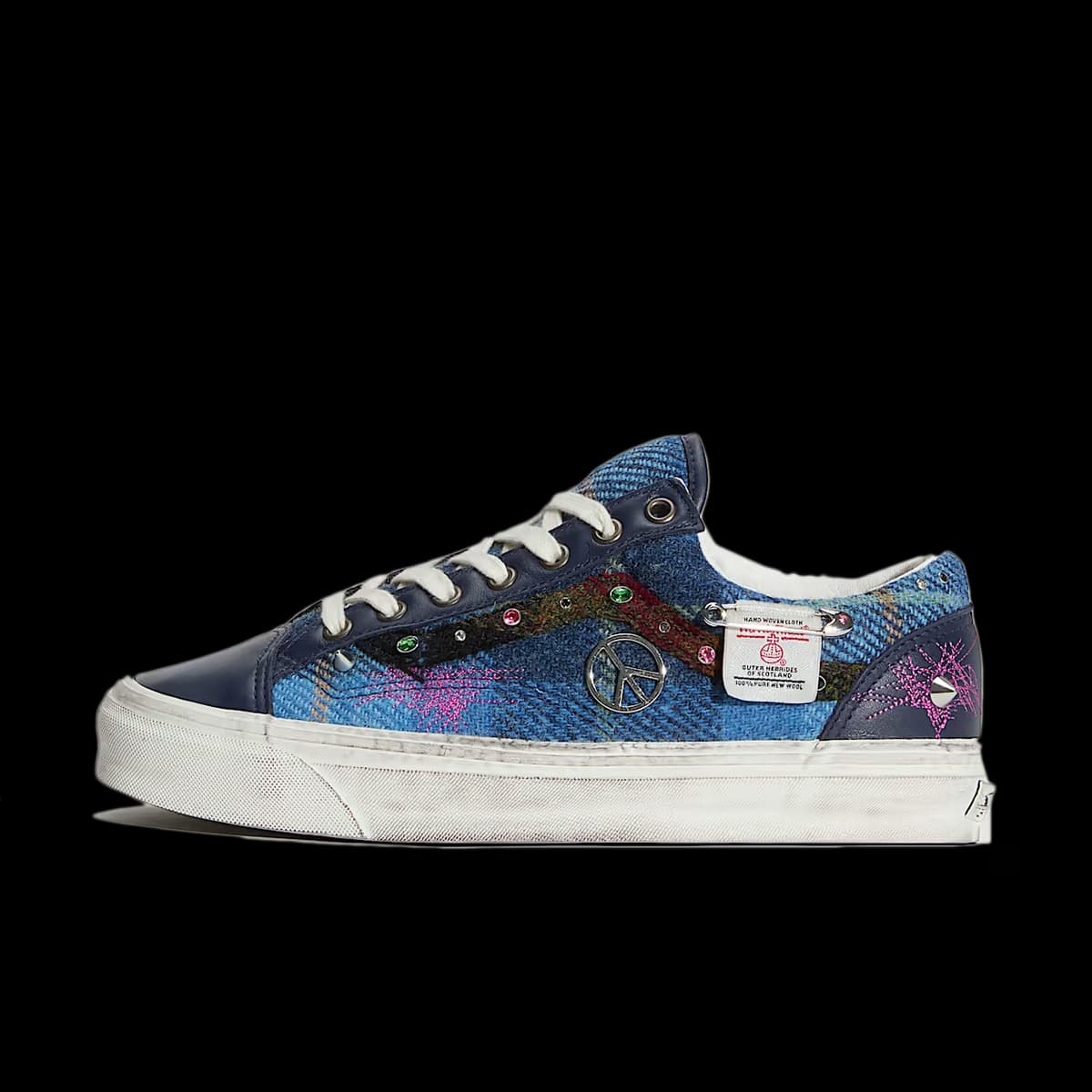
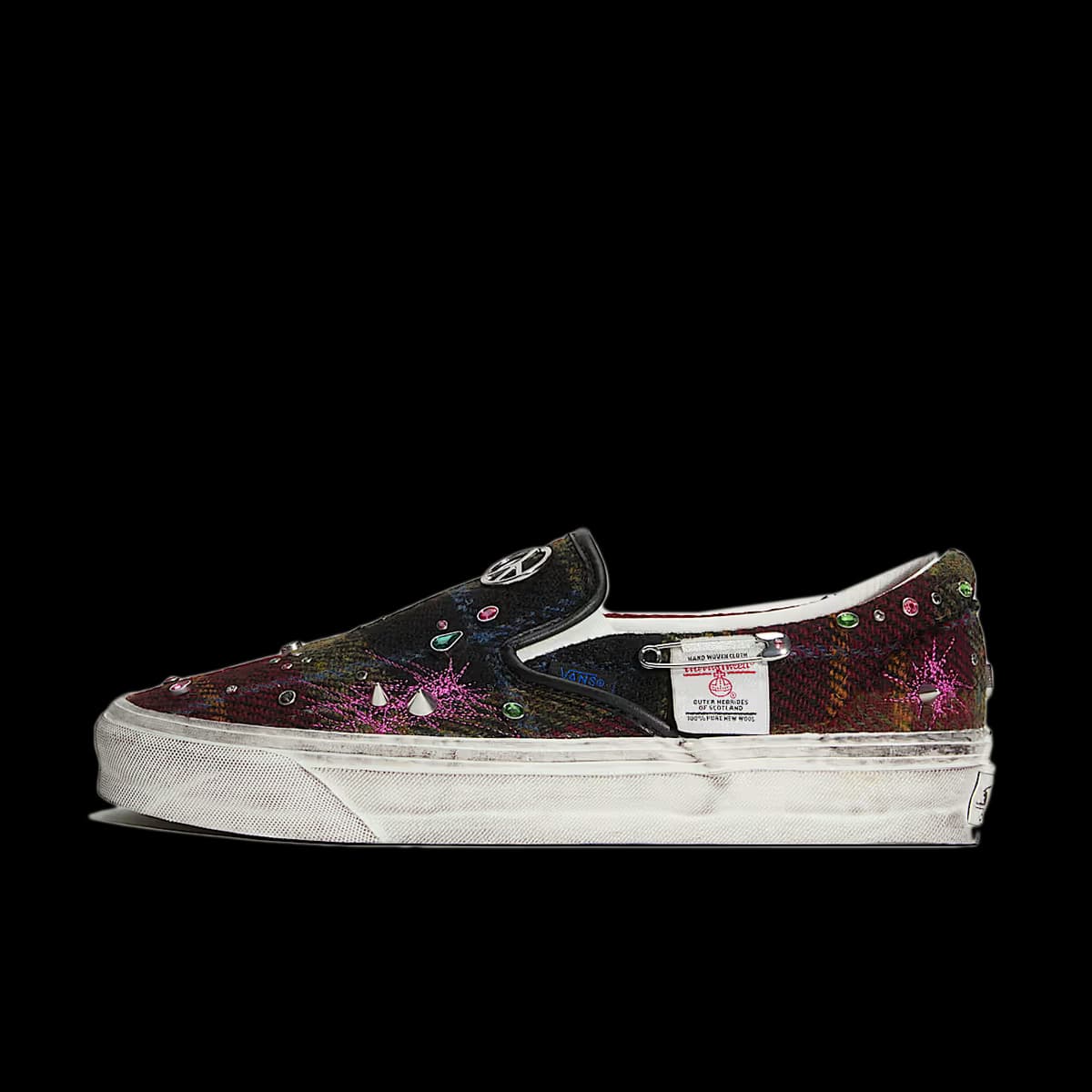
The clearest example is the Pearlized Pack. Vans dresses the Old Skool 36 and the Classic Slip-On 98 in pearls and crystals, on an upper deliberately made to look weathered and worn for years.
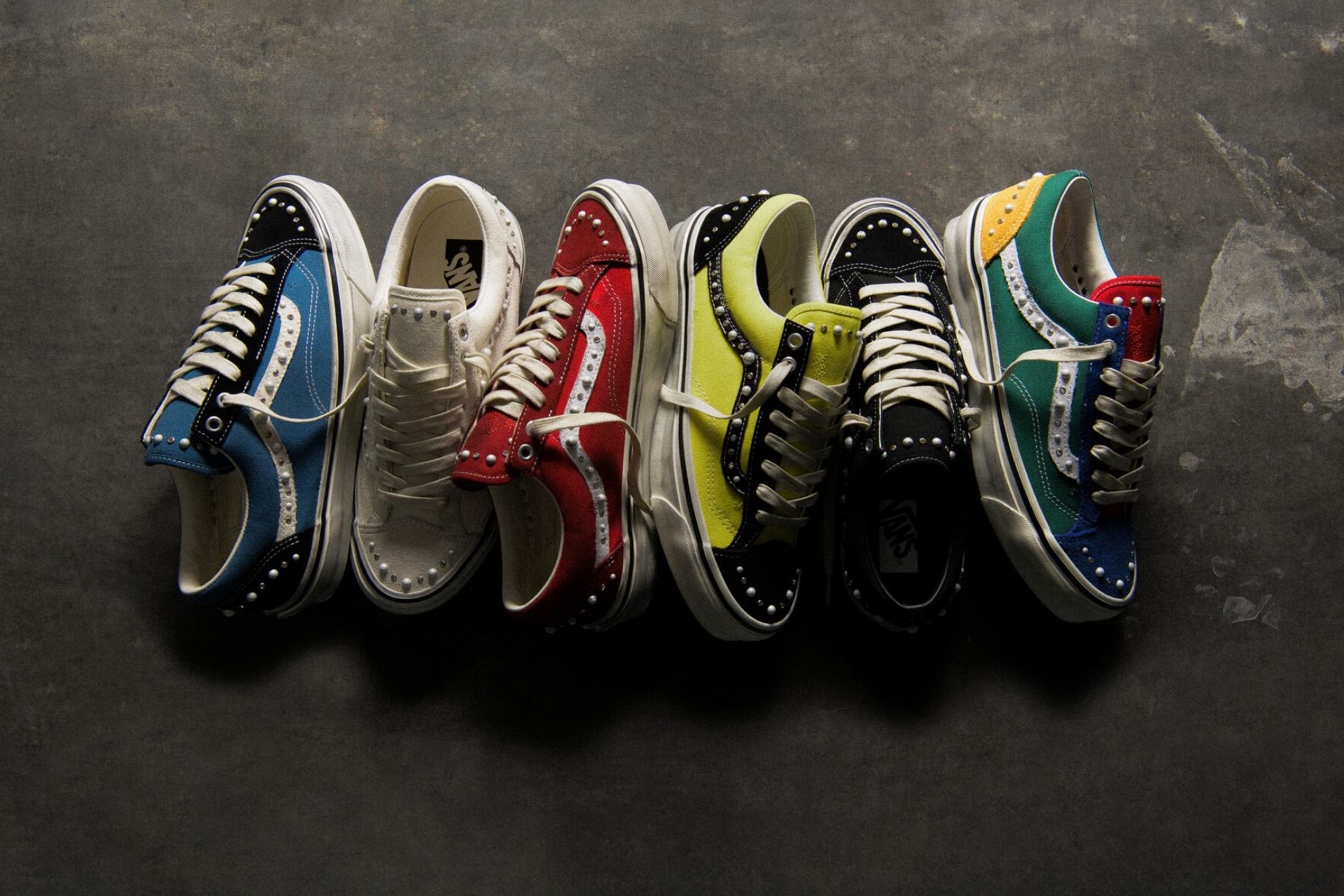
After the first versions in spring, a fall series is now rolling out. In Europe, Yacht Club and a Marshmallow restock arrived on 10 September. Lime Pop (12 November), Navy (19 November), Black/Marshmallow (27 November) and a red version (10 December) follow.
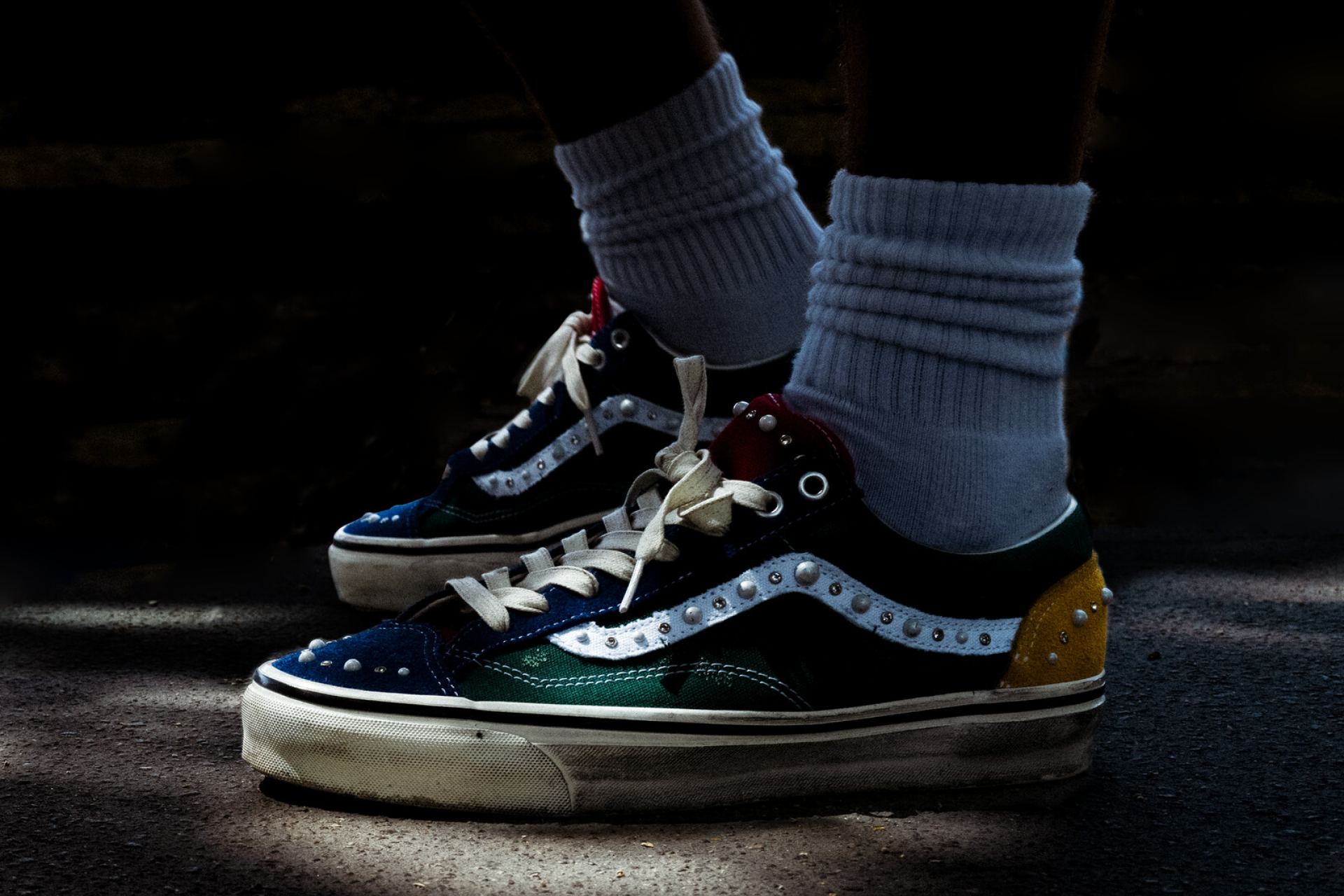
You'll find every date and colour in our article on the Old Skool 36 Pearlized.
Leopard for fall
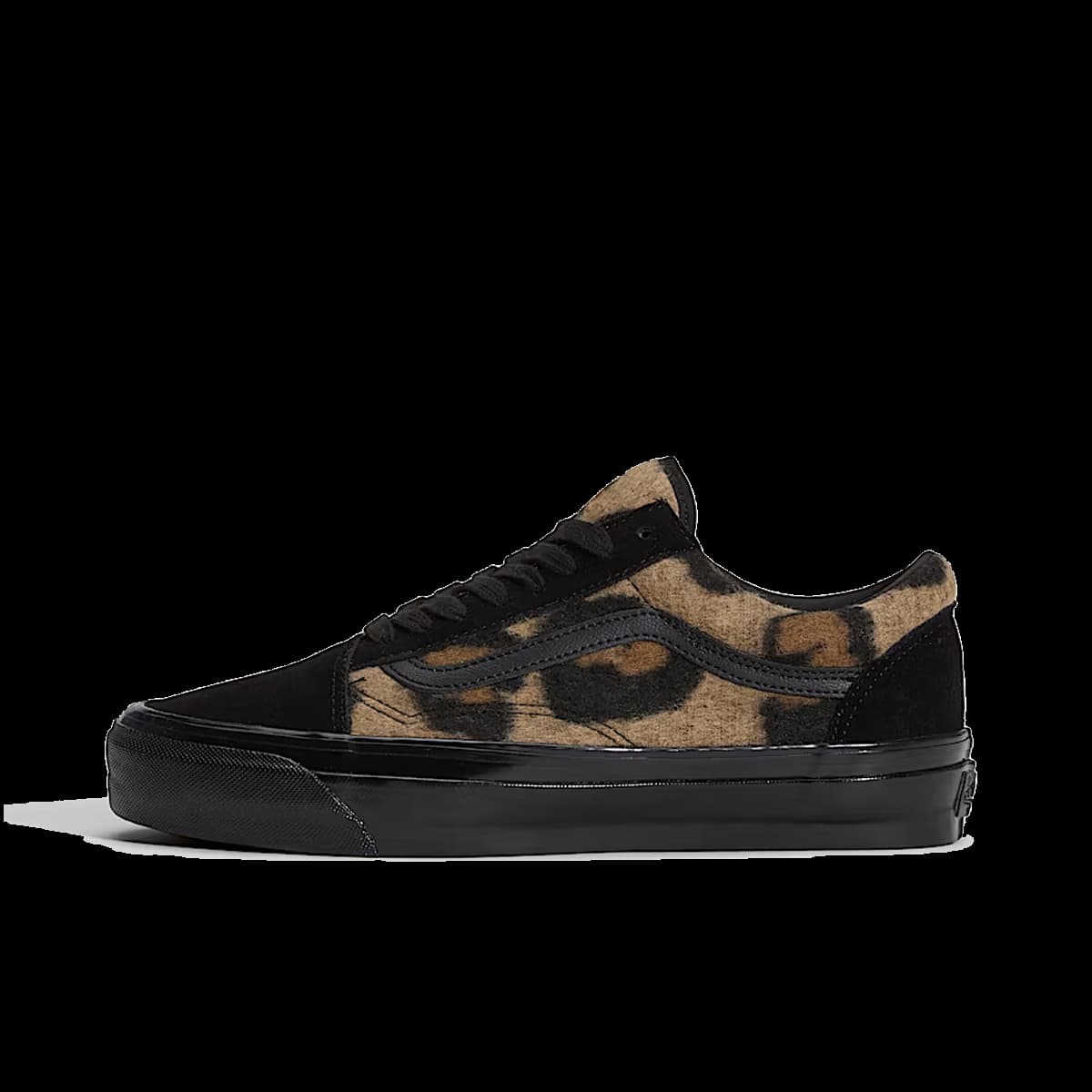
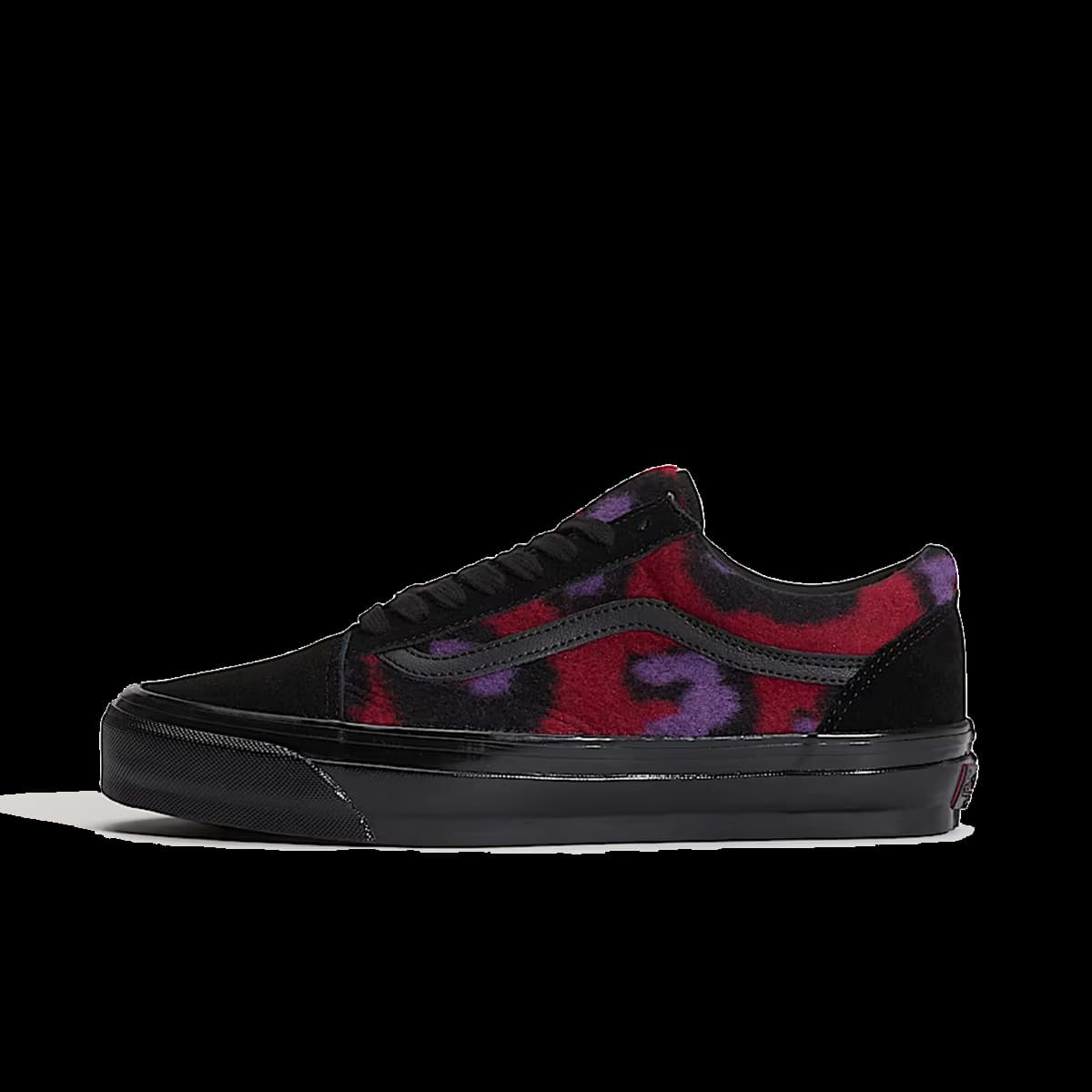
Vans is also leaning into animal print. In spring, the Authentic already got a pony-hair upper with leopard spots.
The new Leopard Print Pack puts the Old Skool in a Tan Leopard version (VN000D9JYS8) and a bold Red & Purple Leopard (VN000D9JBML). Black suede on the toe and heel and a black Jazz Stripe keep the print in check.
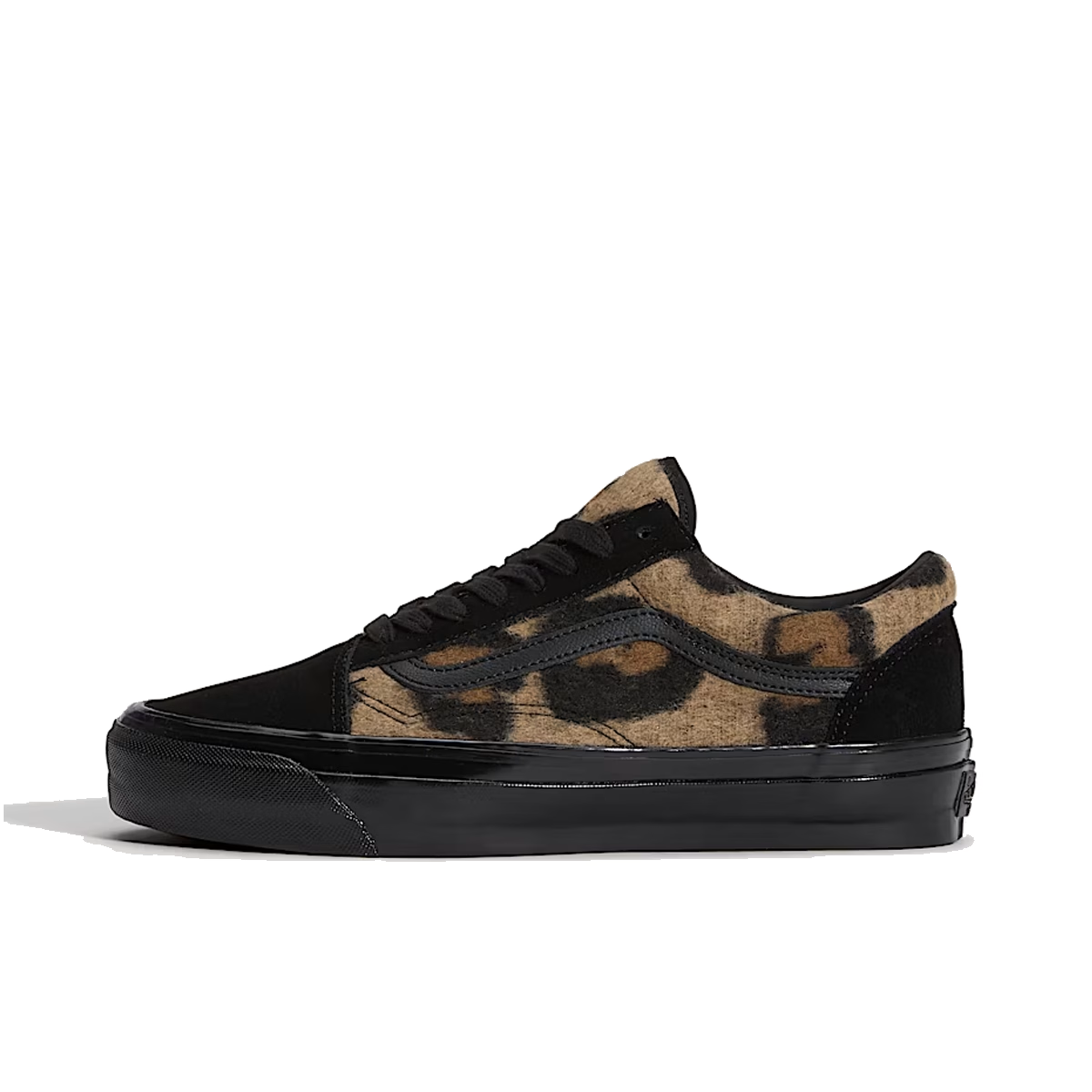
Vans is asking €130. A fixed European release date has not been confirmed yet.
Tweed and plaid
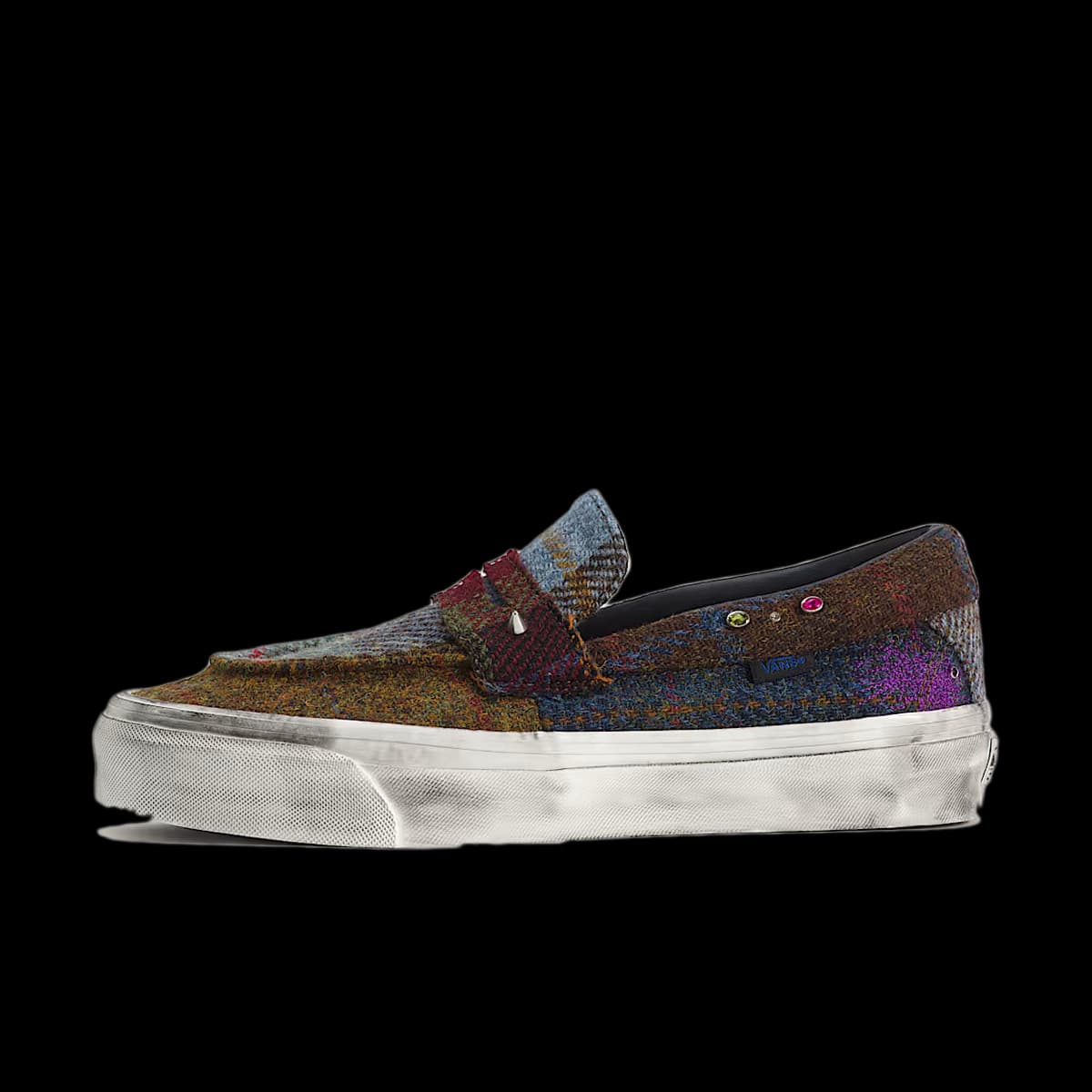
For the colder months, Vans turns to fabric. The Harris Tweed collection, available since late September, brings the hand-woven wool of Scotland's Outer Hebrides to three silhouettes.
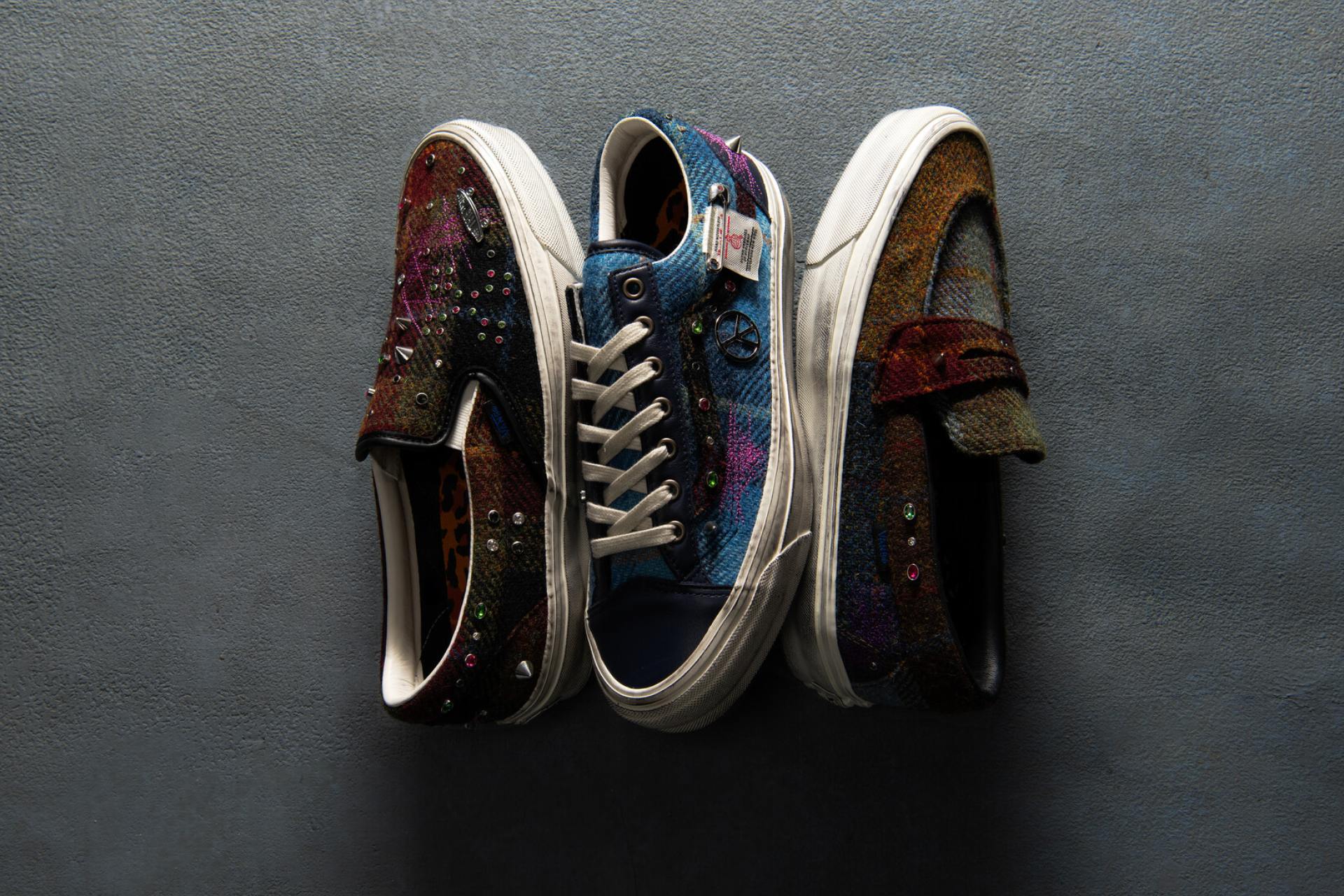
They are the Premium Old Skool 36 (€140), the Premium Classic Slip-On (€120) and the Premium Loafer 53.
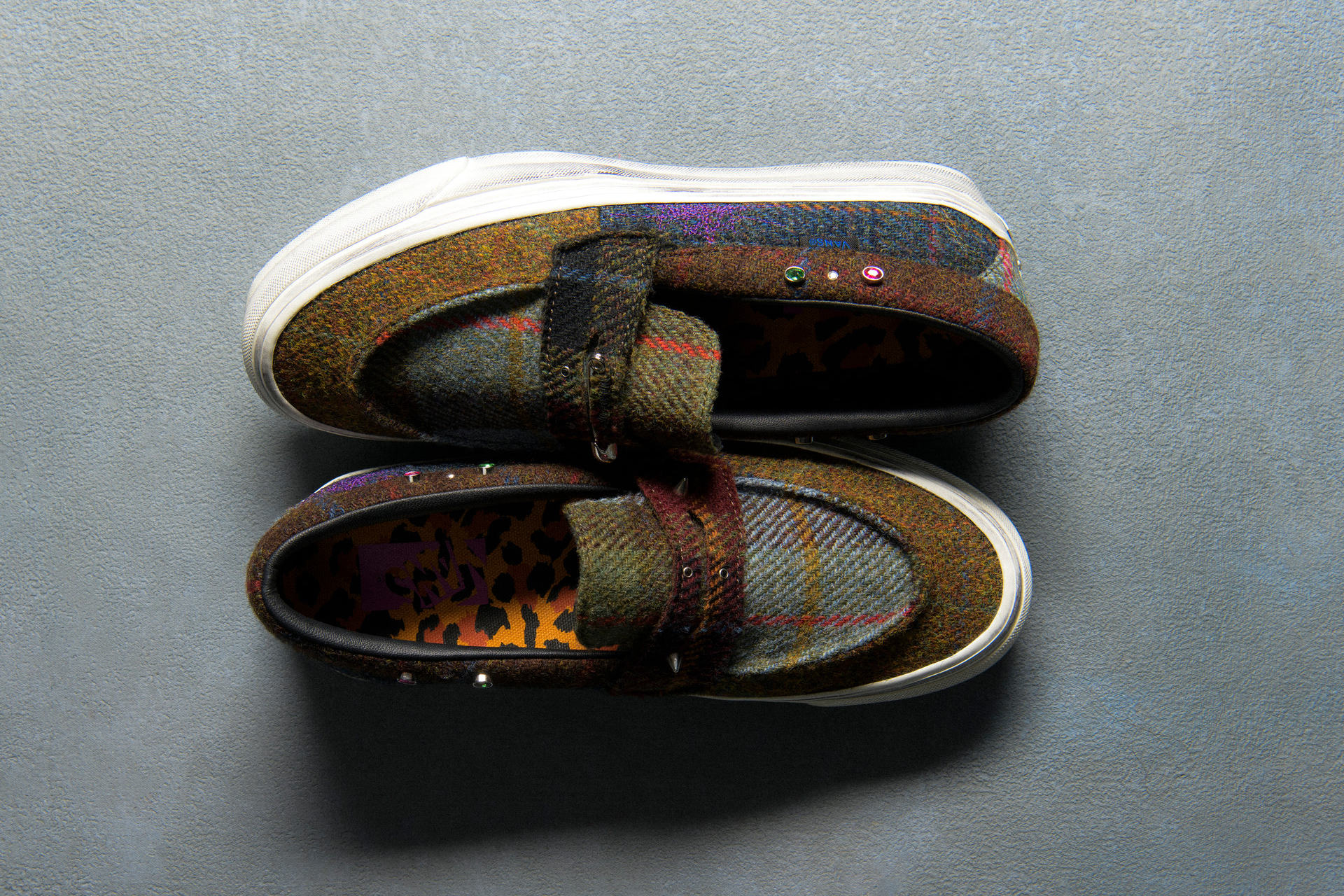
Vans also announced a holiday Plaid Pack with checked uppers on the Old Skool, Authentic and Sk8-Hi. On some versions, the pattern even runs over the midsole. European prices and dates for that pack have not been confirmed.
Together, these packs show how Vans treats its archive: the shape stays, the material tells the new story.
SZA at the helm
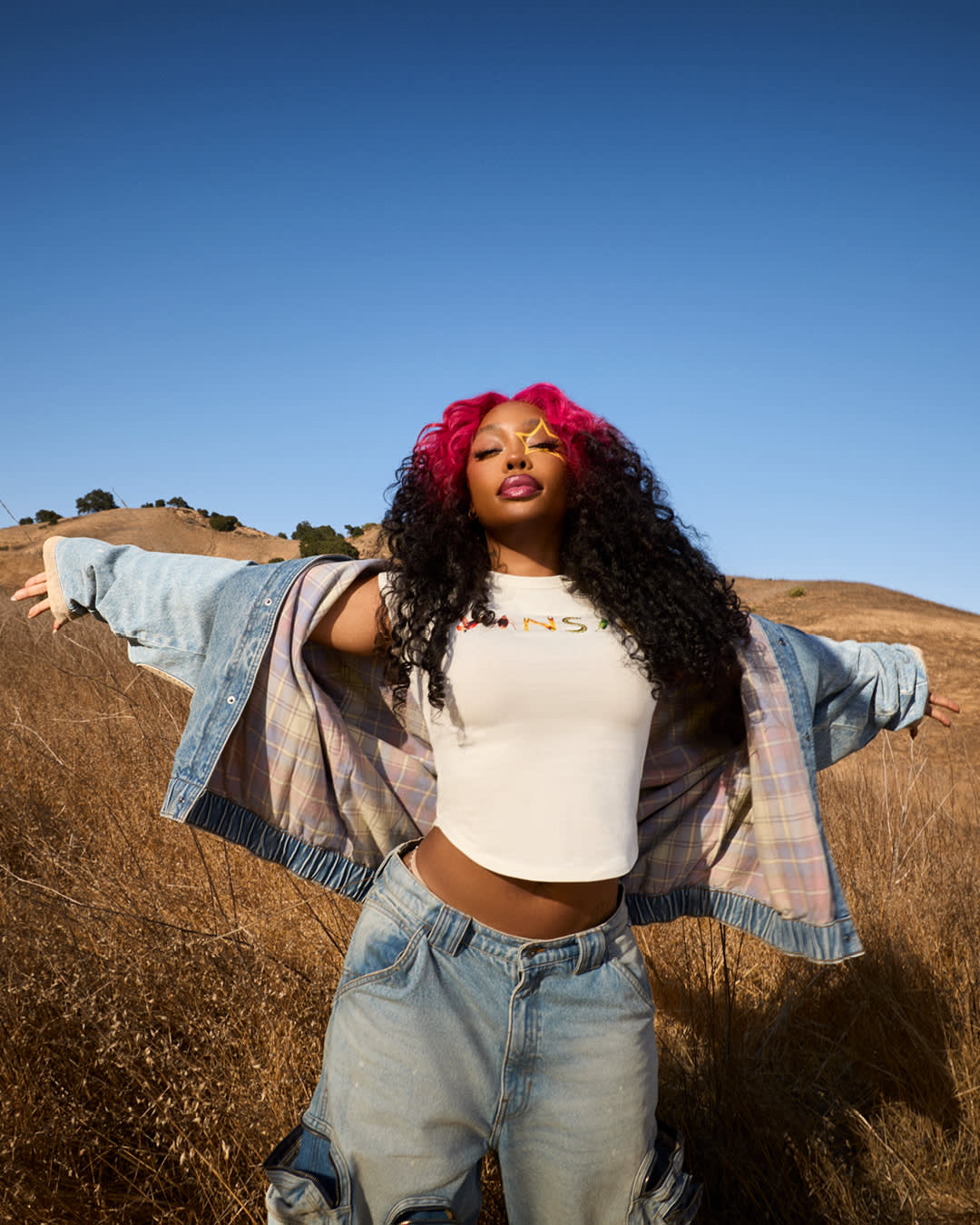
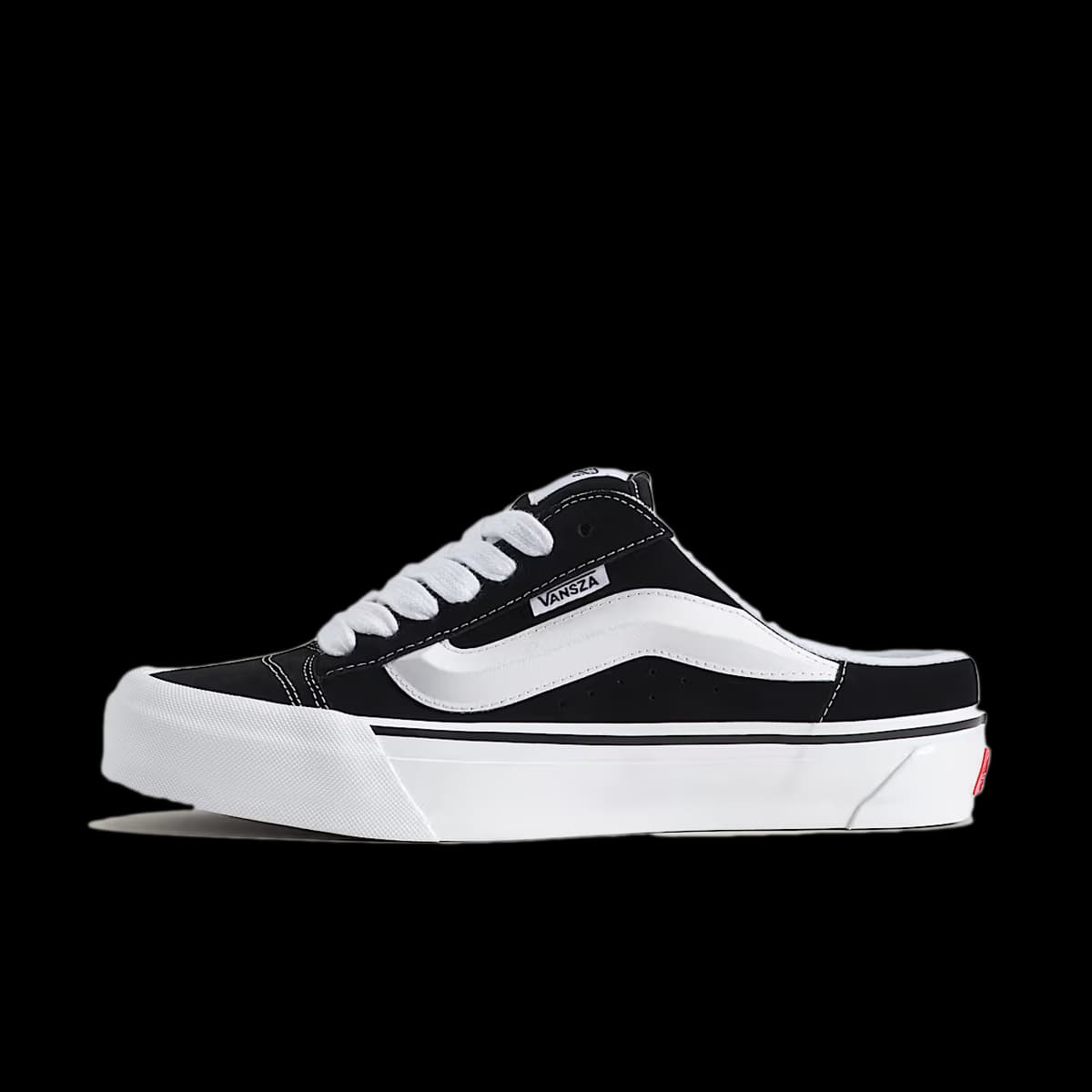
Vans takes its biggest step with SZA. The singer has been Artistic Director since last year and presented her first own collection, Vansza, during New York Fashion Week.
Drop 1 released on 22 October 2026 with two reworked classics. The Knu Skool Mule (€90) loses its heel and becomes a slip-in with the familiar, exaggerated toe.
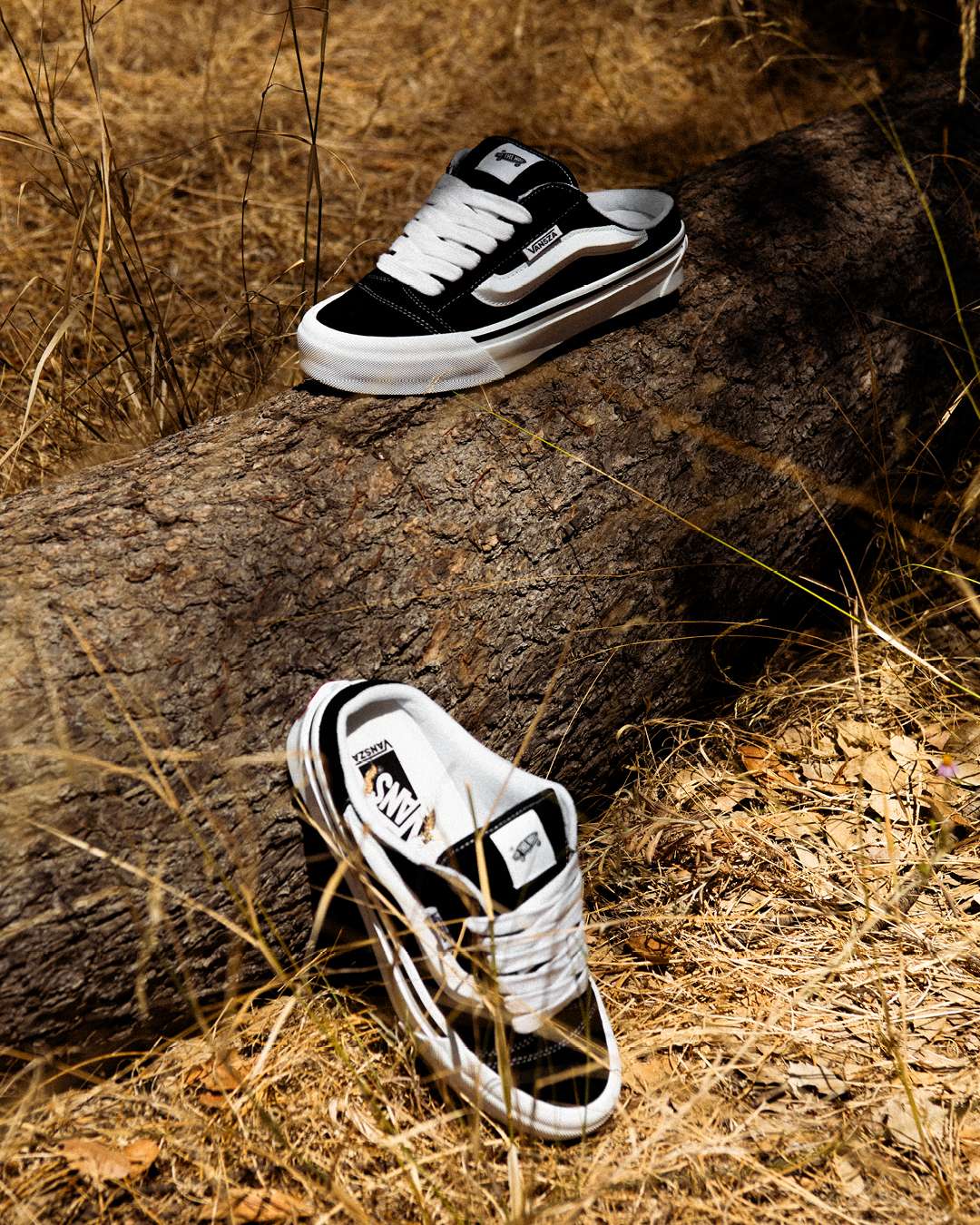
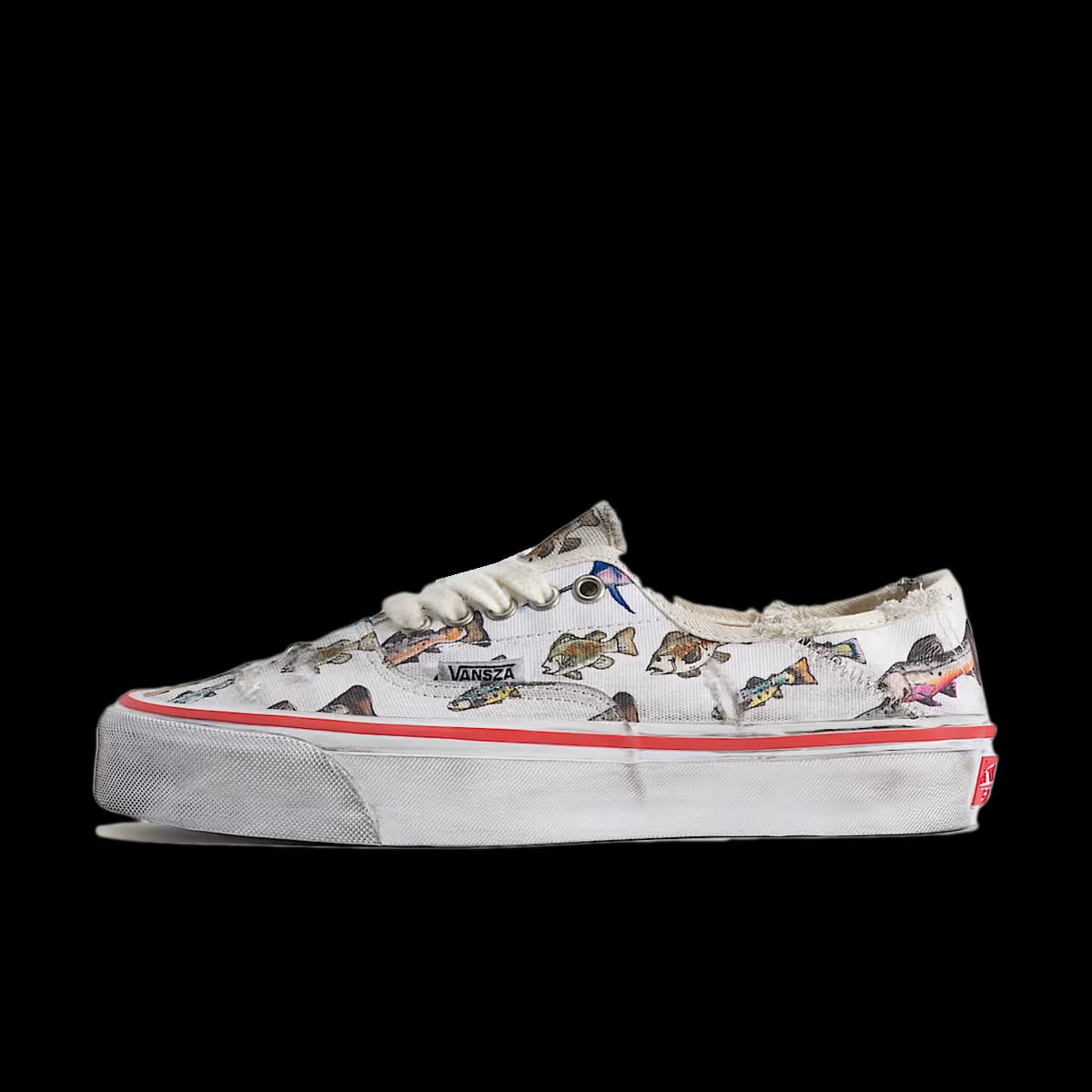
The Authentic Kickdown (€100) features distressed canvas, artwork by artist Sage Adams and a collapsible heel. Photographer India Sleem shot the campaign in California's dry, golden landscape, with SZA herself and Vans skater Zion Wright.
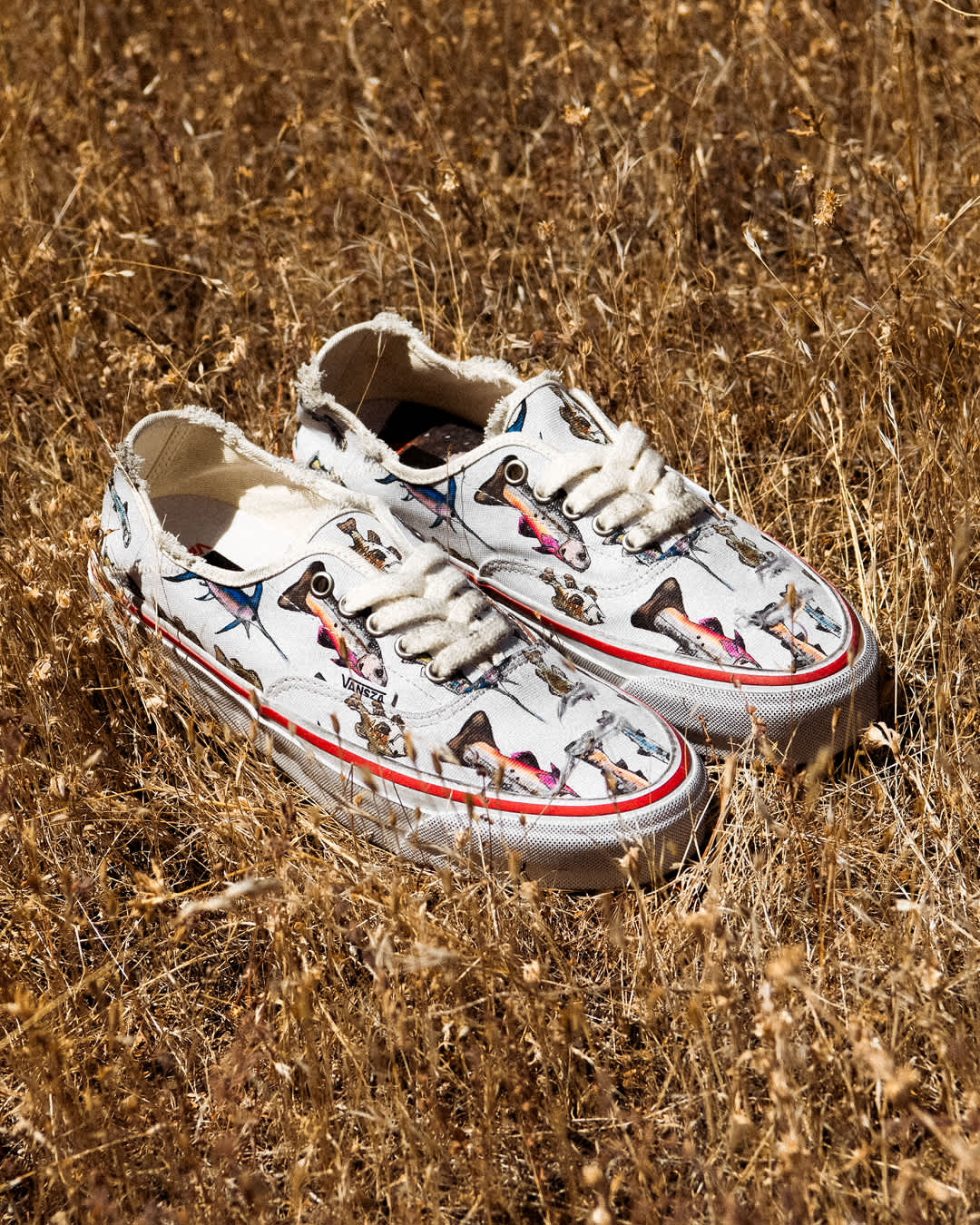
The design comes from a personal habit. SZA has always stepped on the backs of her shoes, much to her mother's annoyance, and turned that into a design principle.
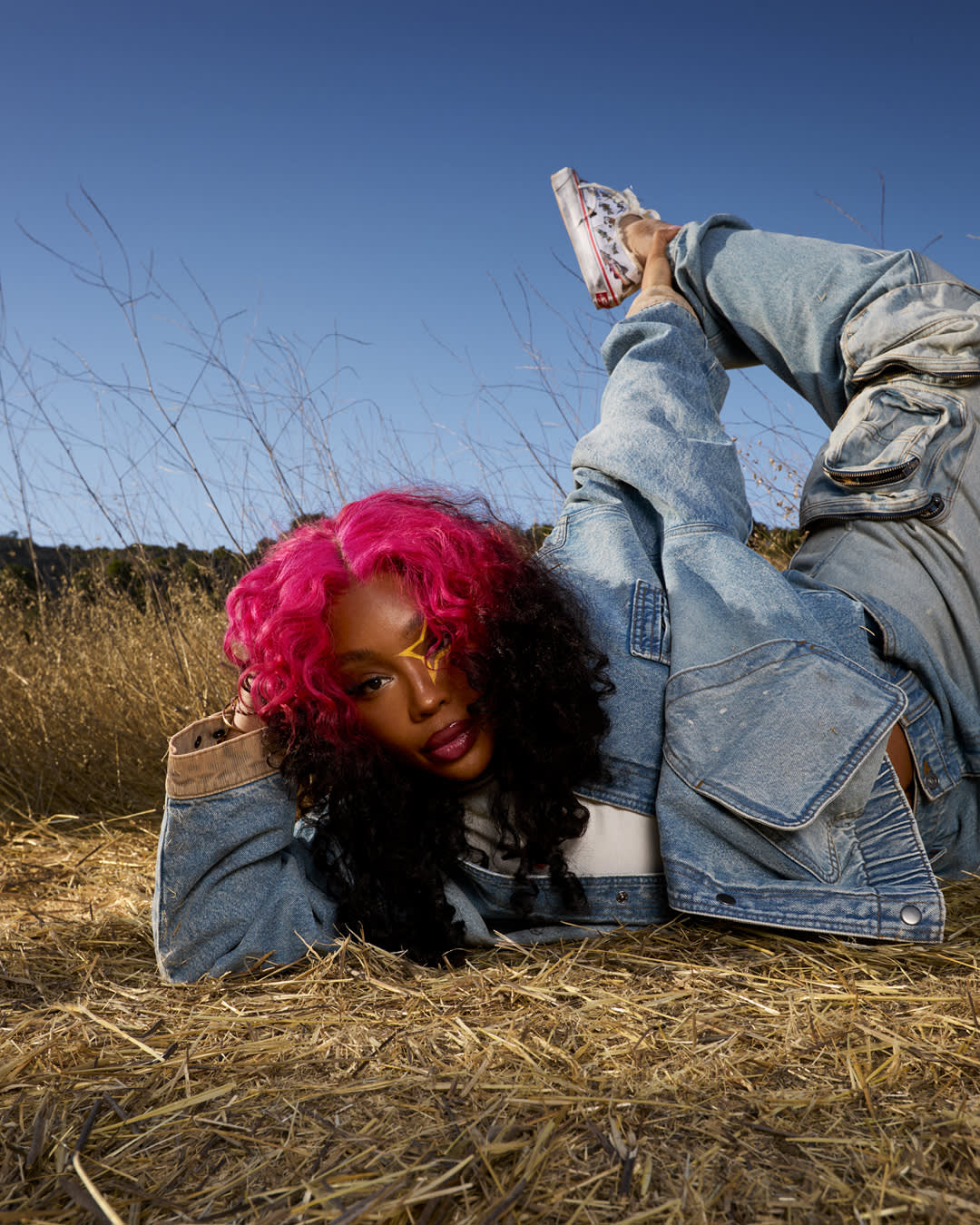
Around the shoes sits workwear in denim and fleece with fish and insect motifs. Drop 2 is planned for spring 2027, with a camo Knu Skool and a hiking shoe with a split Tabi toe. Read everything about the collection in our article on Vansza Drop 1.
A broad foundation
Beneath those big names runs a second engine: the premium label OTW by Vans. There, Vans has worked with Gallery Dept, designer Satoshi Nakamoto and, more surprisingly, the animated film KPop Demon Hunters. Bands such as American Football and Babymetal got their own capsules too.
That spread is smart. Vans speaks to the skater, the fashion fan and the teenager at once, without losing any of them.
Whether this pace will last is impossible to predict. What is clear: Vans has found its identity again.
The skate roots are visible, the details are richer, and with SZA there is a creative voice at the helm looking beyond the next season.
Curious about the latest models? At Vans you'll find the current collection, from the Old Skool to Vansza. See for yourself how broad Vans 2026 has become.
Find more stories like this on our news page.
