The History of Timberland
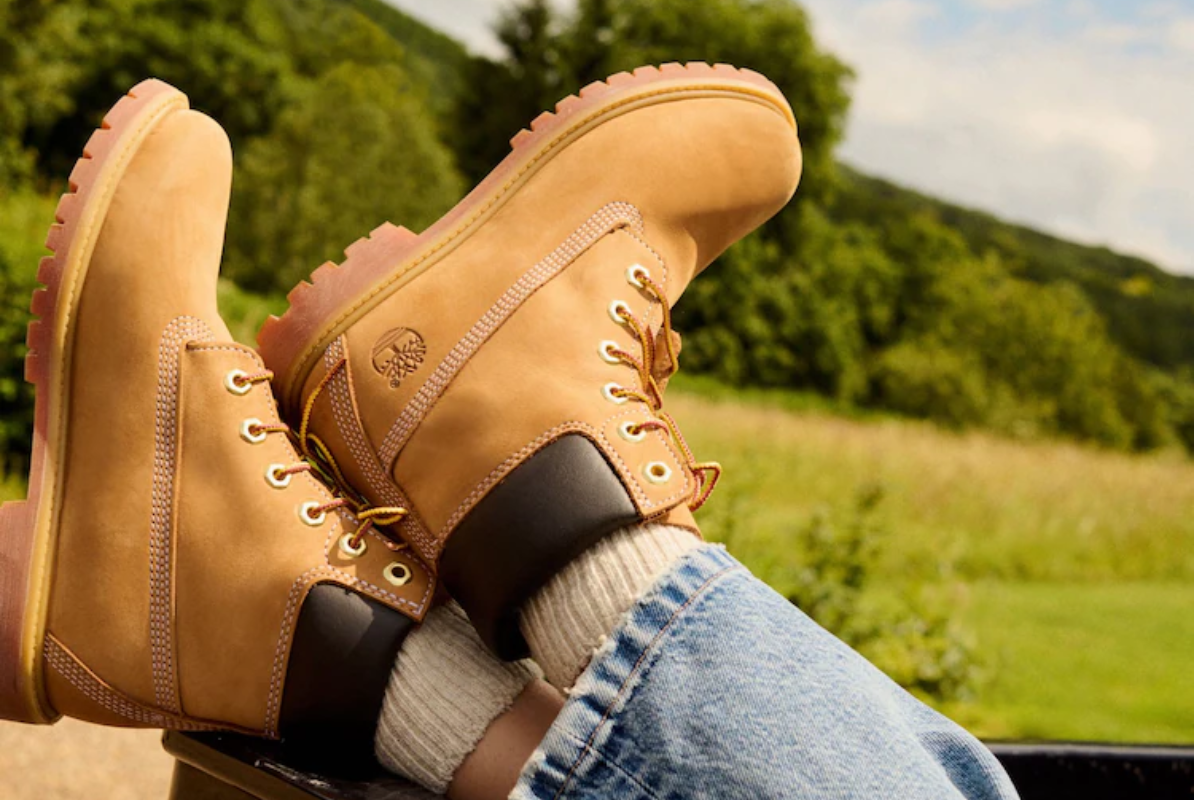
Timberland traces its roots back to the early 20th century, beginning its story in 1952 when Nathan Swartz became co-owner of the Abington Shoe Company in South Boston, Massachusetts. The company specialised in making work boots for labourers who needed sturdy and durable footwear. Swartz gradually increased his stake in the company until he gained full ownership in 1955.
Driven by a vision for high-quality craftsmanship, Swartz and his family focused on innovation, and in 1965 introduced the 'Timberland' waterproof boot, which was a pivotal moment for the company. The boot featured a waterproof leather upper, rugged rubber lug sole, and a seam-sealed construction, and was instantly popular.
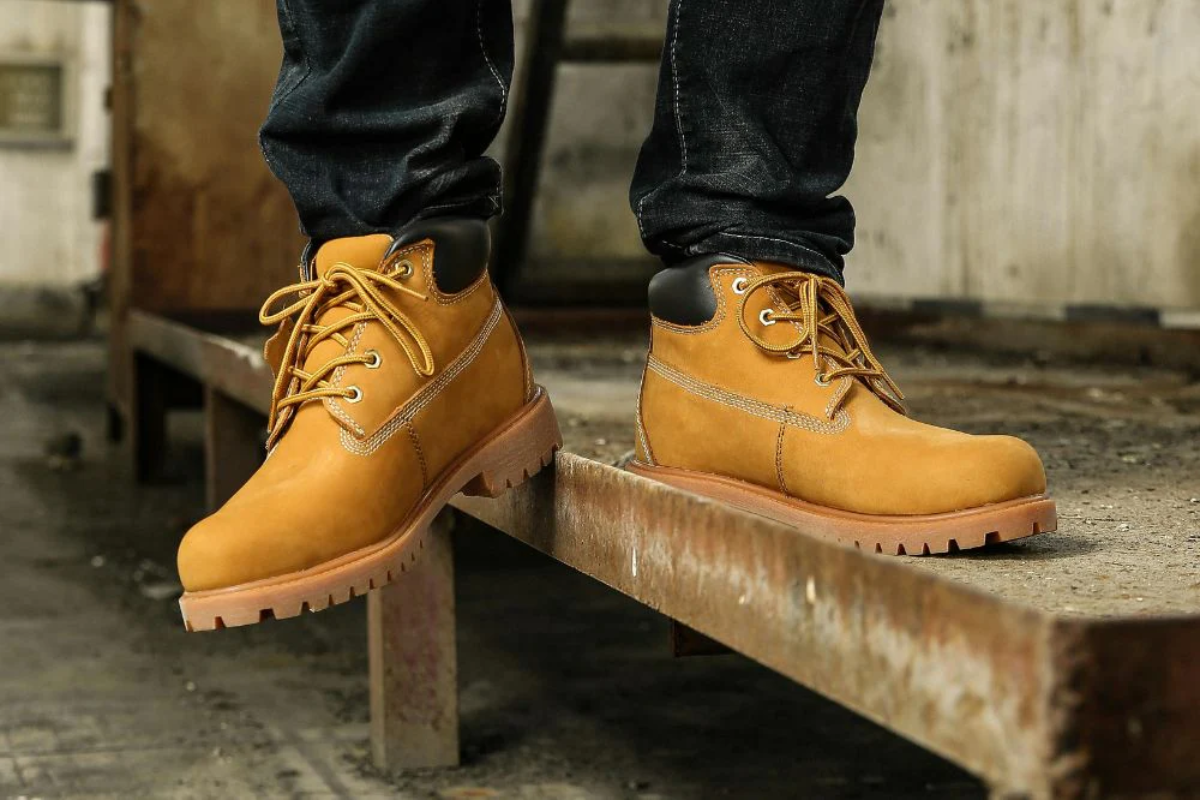
In the 70s, the company adopted the Timberland name as its official brand and logo, and because synonymous with reliable, resilient and practical outdoor footwear. Their boots were embraced by workers, outdoorsmen, and urban communities seeking style with functionality.
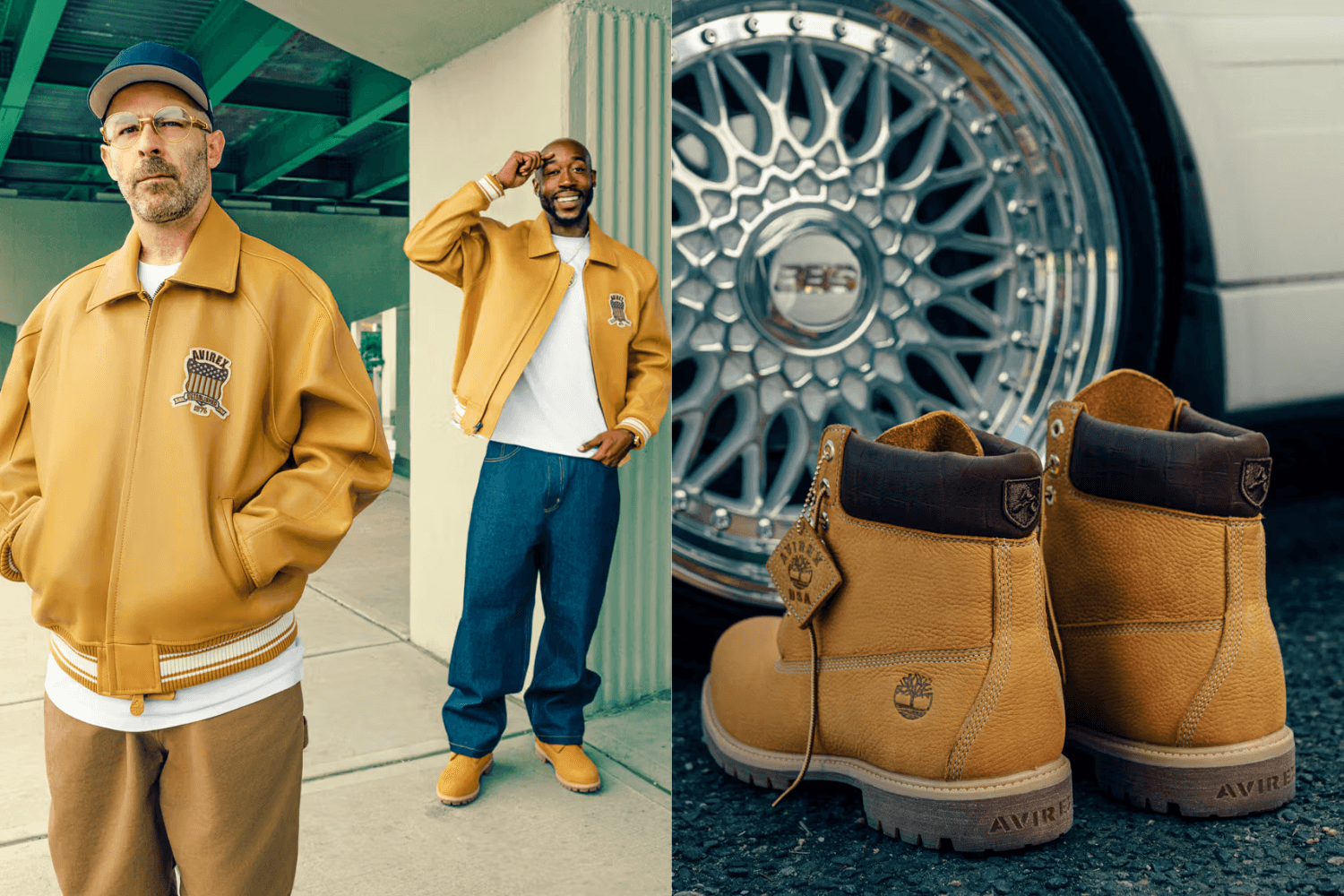
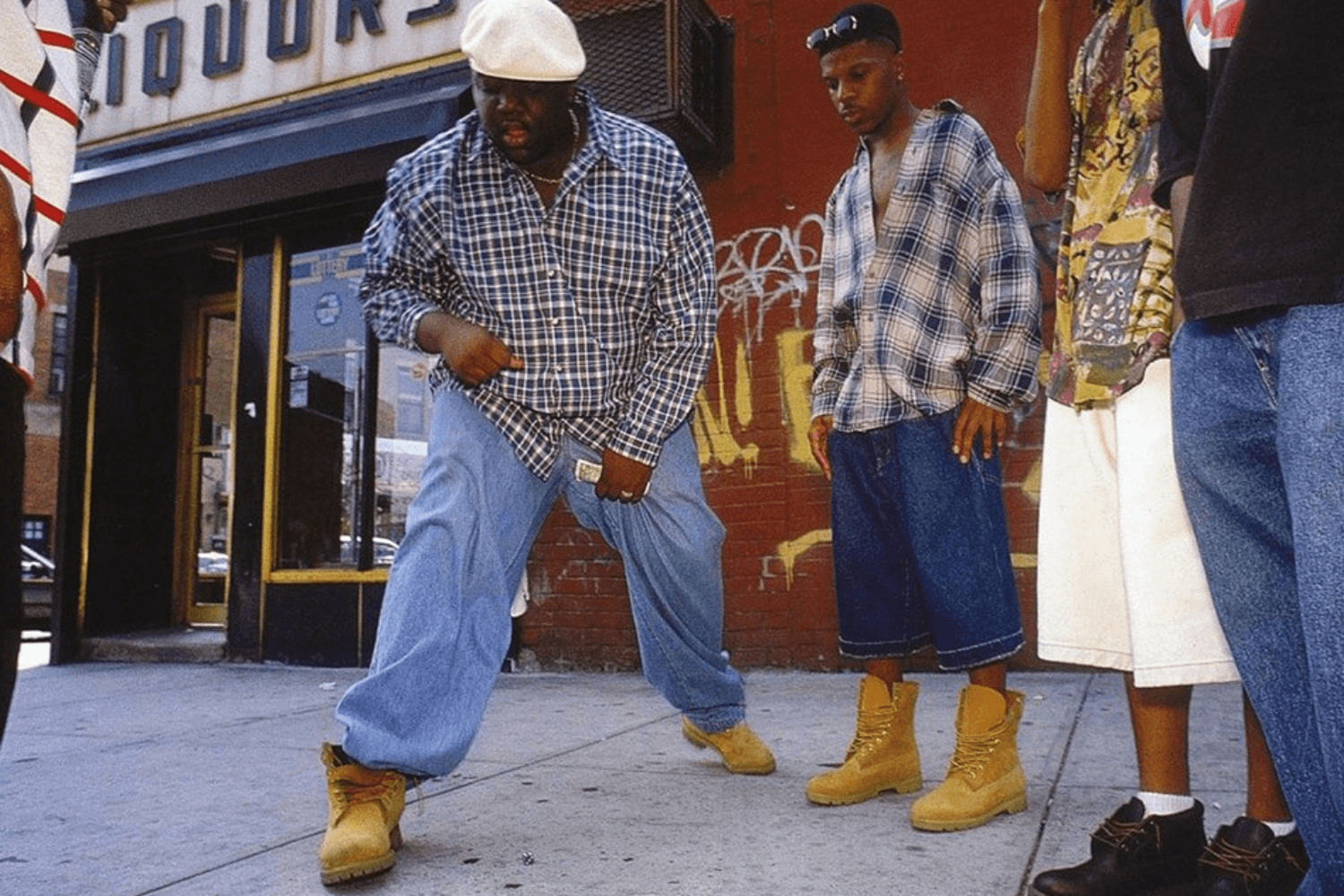
During the 80s and 90s Timberland boots were adopted by musicians and the youth as a statement of authenticity, toughness, and street cred, gaining prominence in hip-hop culture. The company began to expand, introducing a larger range of footwear, clothing and accessories for both outdoors and everyday wear.
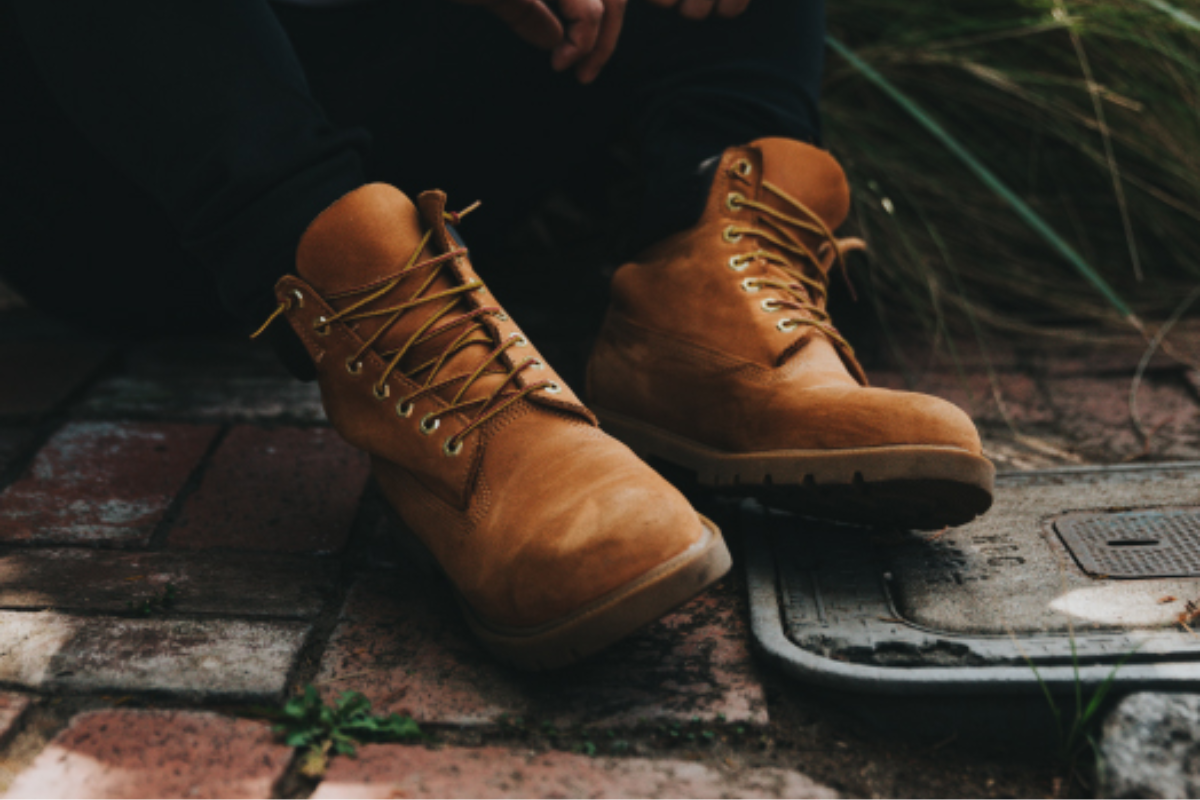
Timberland also became known for its early commitment to corporate responsibility. The brand pioneered environmentally conscious practices, such as recycling leather scraps, reducing waste, and planting trees. In 2001, Timberland launched the 'Path of Service' program, emphasising community involvement, volunteerism, and sustainability.
Today, Timberland continues to innovate, blending technical advancements with fashion-forward design. Its boots now incorporate eco-friendly materials, advanced cushioning, and ergonomic support, and the brand has expanded into apparel, watches, bags, and other lifestyle products while maintaining its core identity as a symbol of rugged quality.
Timberland: Answering Your Questions
Who owns Timberland?
Timberland is owned by VF Corporation, who acquired the brand in 2011.
Where are Timberland made?
Timberland primarily manufactures their boots in China, the Dominican Republic, and Vietnam.
What material are Timberland made from?
Timberland use a combination of materials on their shoes including premium full-grain nubuck leather, rubber lug soles, waterproof membranes and some recycled and organic materials in their eco-conscious lines. Padded collars and EVA insoles are also used in certain models.
How do Timberland fit?
Timberland boots are generally known to fit true to size in length, but can be a bit wide. Wearing the boots with thicker socks or insoles can solve this problem.
Are Timberland waterproof?
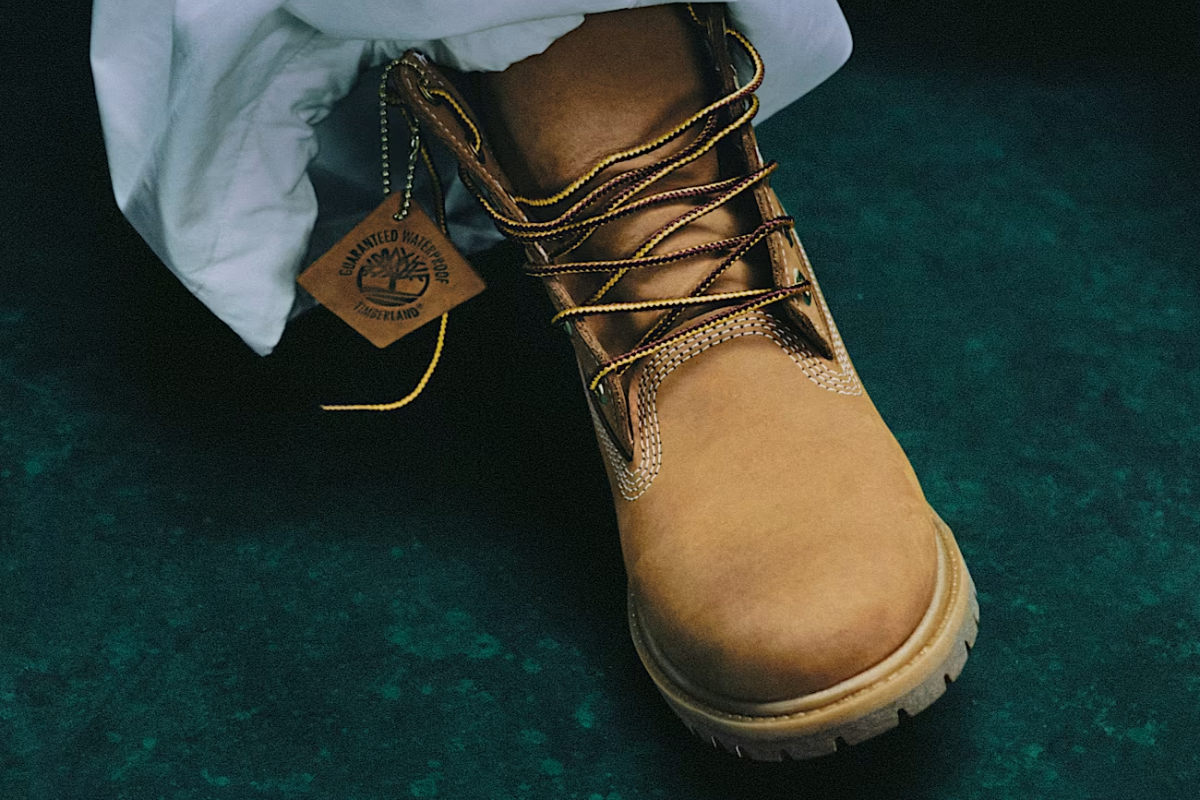
Most Timberland boots are designed to be waterproof, including the 6-Inch Waterproof Boot and other outdoor models. Seam-sealed construction, waterproof leather and rubber soles all keep the boot waterproof. However, Chukka boots and other streetwear models may not have waterproof treatment - always check the product description.
Are Timberland good for hiking?
Timberland has a few models that are well-suited for hiking, such as the Euro Hiker, which use materials like waterproof leather, padding in the collar and tongue, and durable rubber outsoles for lightweight comfort, slip-resistance and excellent support.
How do you clean Timberland boots?
To clean nubuck leather Timberland boots:
- Brush off dirt using a soft-bristled boot brush.
- Remove stains with a suede/nubuck eraser or a damp cloth with mild soap.
- Let them air dry away from direct heat or sunlight.
- Protect with waterproofing spray to maintain durability.
For waterproof models, wipe with a damp cloth, use mild soap if needed, and reapply water-repellent spray. Avoid full immersion in water.
Where can I buy Timberland?
Do you have your eye on this brand? With our sneaker search engine, you can browse Timberland at different retailers and at different prices. Our release calendar also keeps you up to date on Timberland restocks and new releases!
Popular Timberland Models
6-Inch
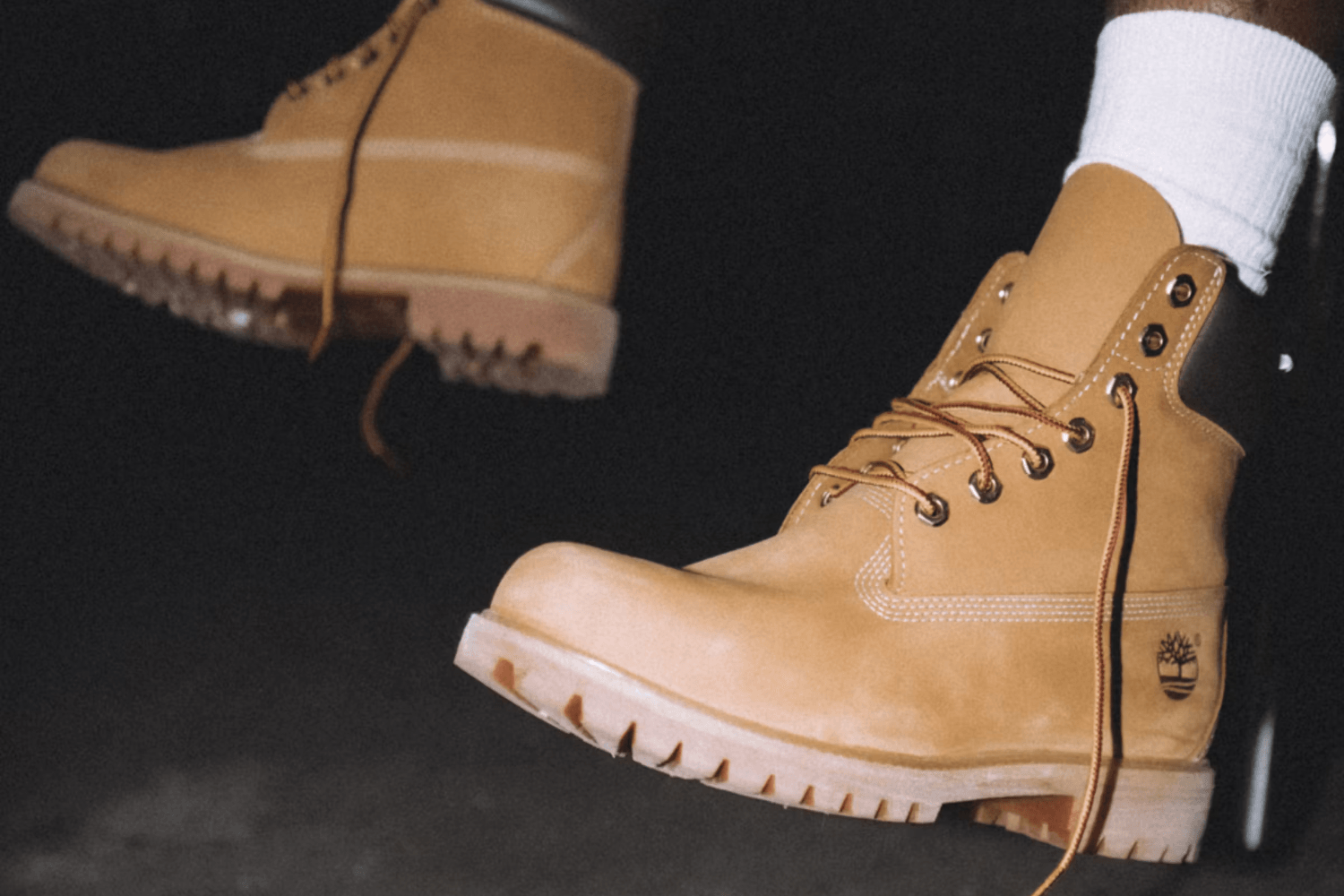
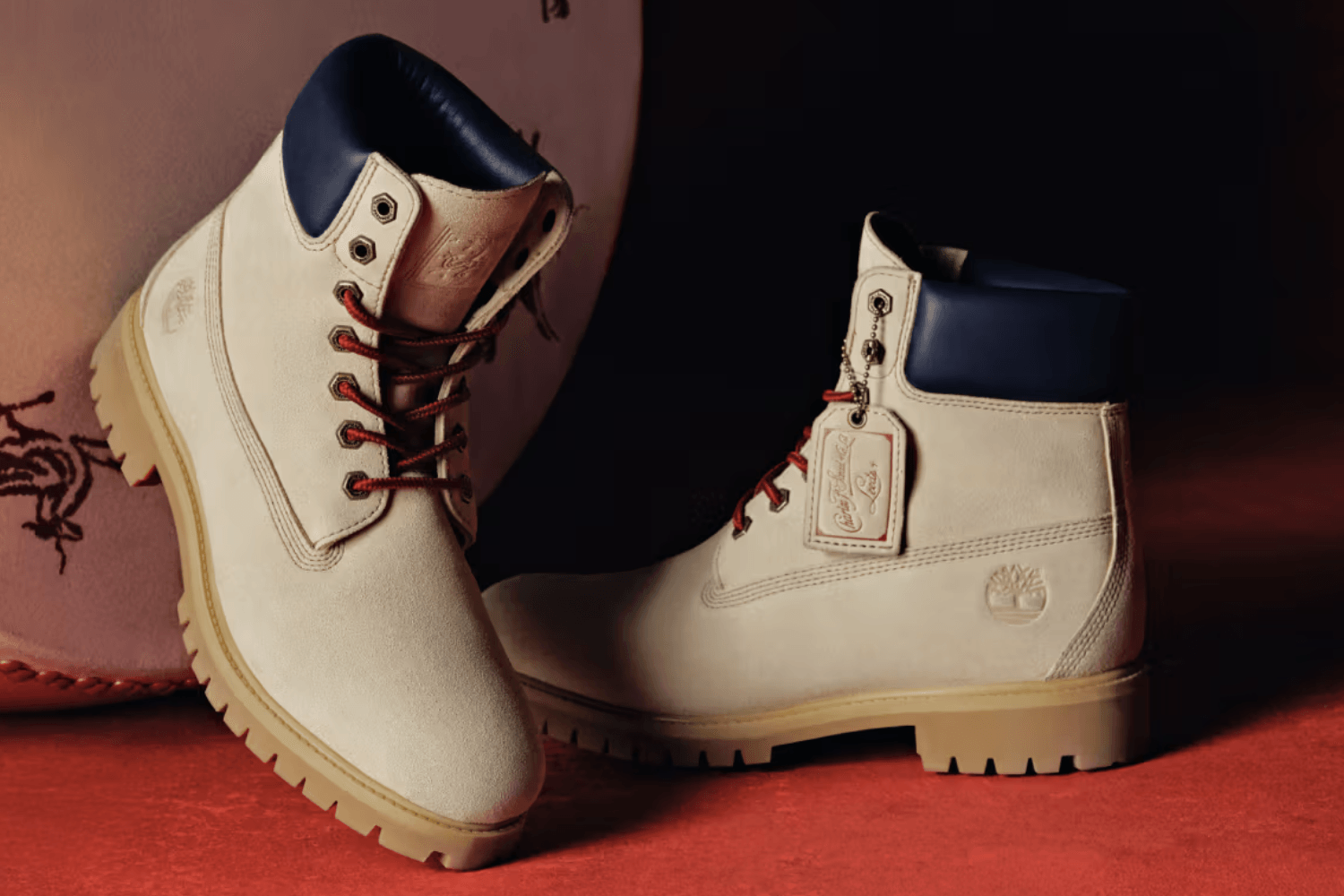
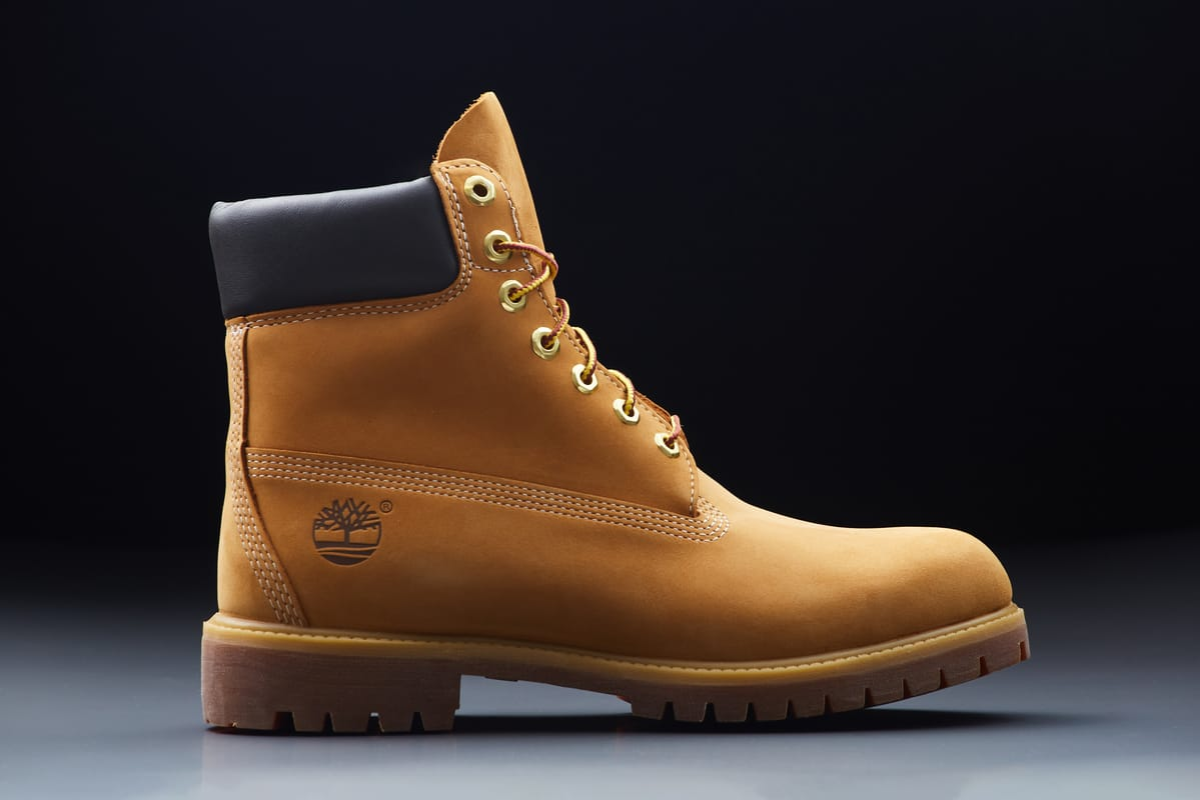
The 6-Inch boot is the iconic shoe that helped define Timberland. Featuring a full-grain premium leather upper, a padded ankle collar, and rubber lug sole, the 6-Inch was originally a work boot that has crossed over into fashion and streetwear.
Many versions now include the 'Anti-Fatigue' footbed system to reduce foot fatigue.
Euro Hiker
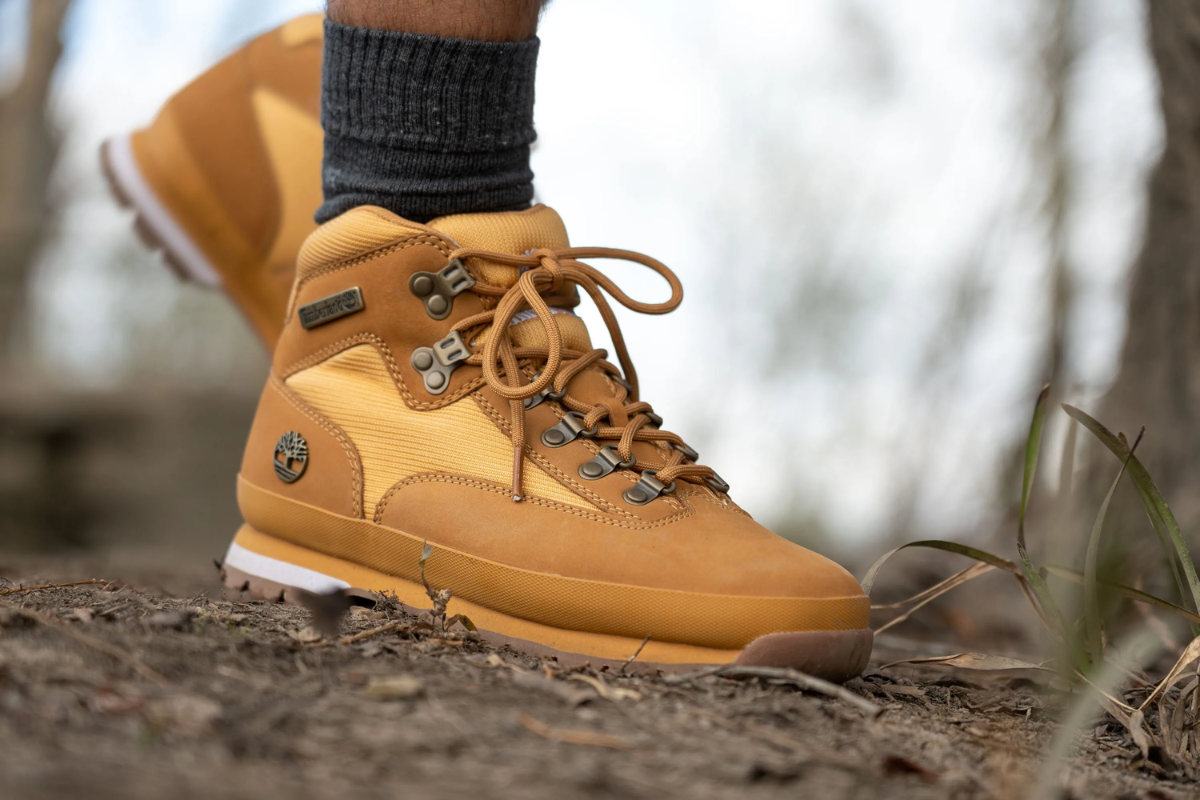
The Euro Hiker combines premium leather with textile and canvas details, using recycled materials in the lining. The midsole often uses EVA cushioning, and the design gives sneaker-like comfort with boot-like support.
It's a bridge between a rugged outdoor boot and an everyday lifestyle sneaker.
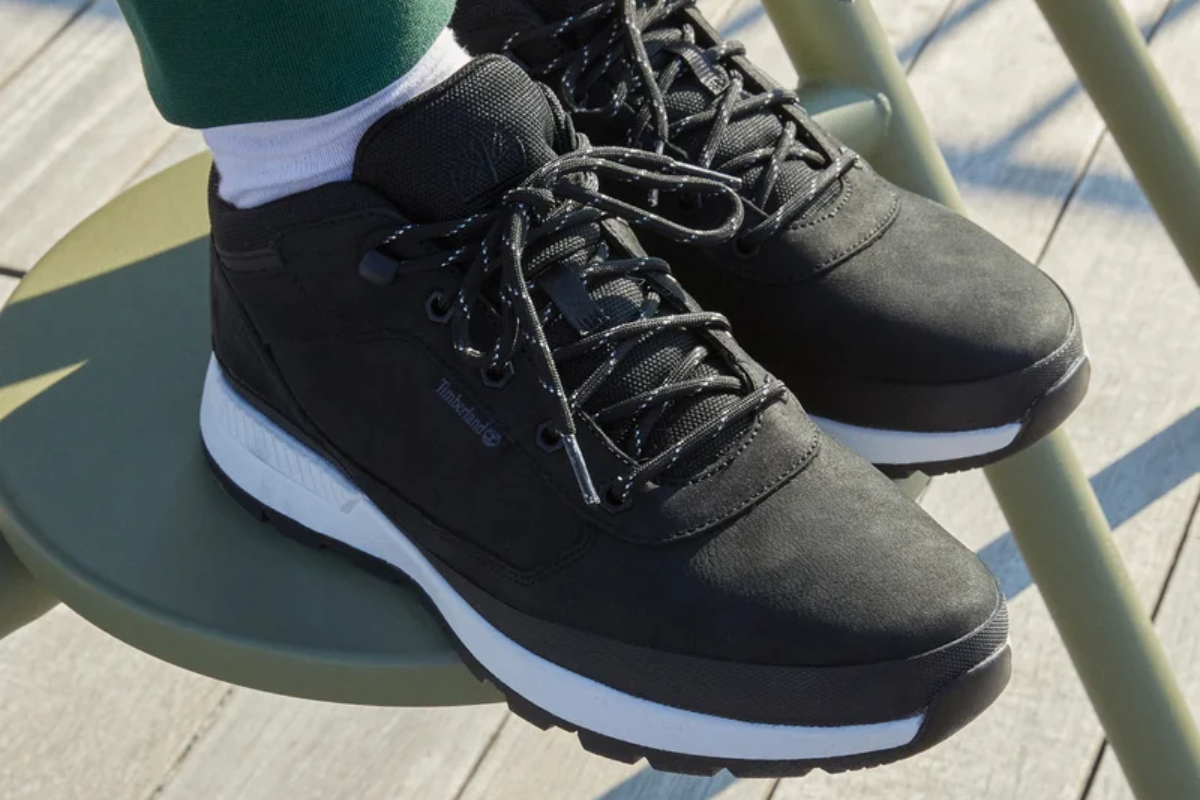
Field Trekker
Closer to a rugged outdoor boot and sneaker hybrid, the Field Trekker has a premium leather upper, recycled-material linings, OrthoLite footbed and a more dynamic silhouette.
The design is focused on durability, with grip and comfort for mixed terrain.
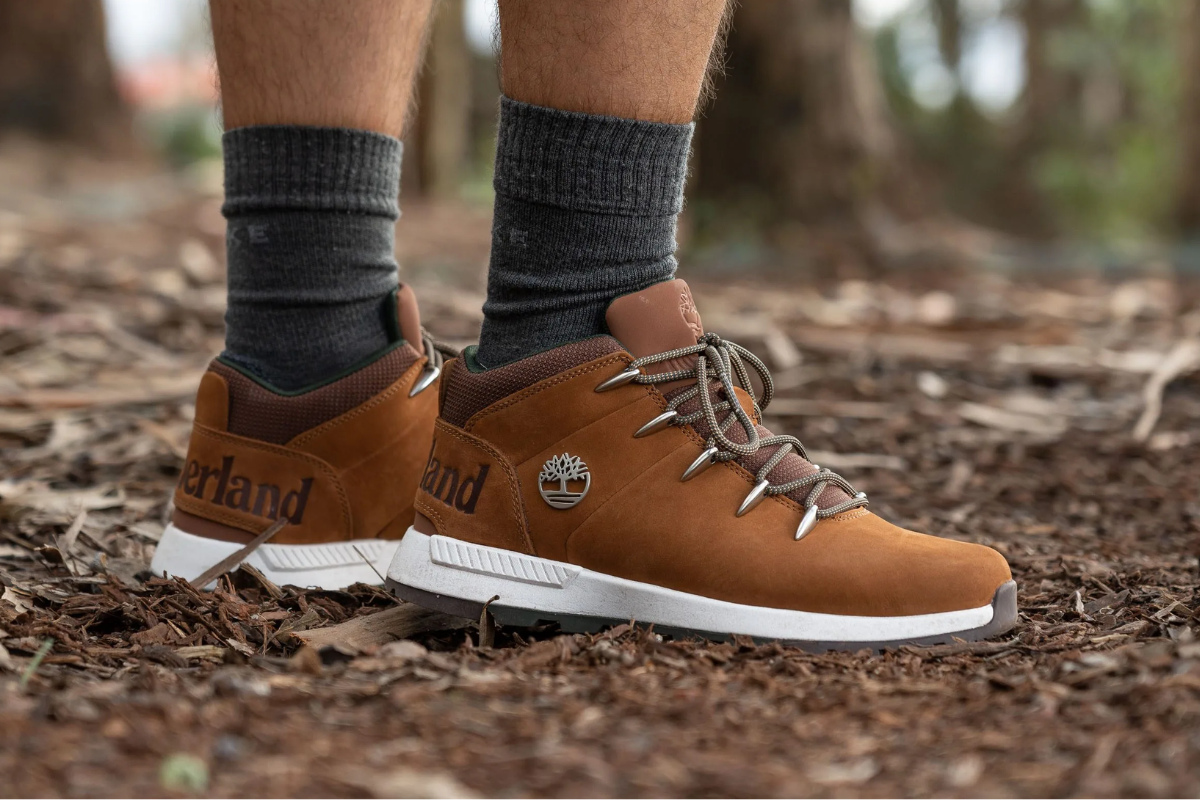
Sprint Trekker
The Sprint Trekker is designed for activity, with premium leather uppers, recycled-fabric linings, OrthoLite insoles, EVA midsoles and a rubber outsole for grip.
It's less bulky than traditional hiking boots, offering more mobility and style.
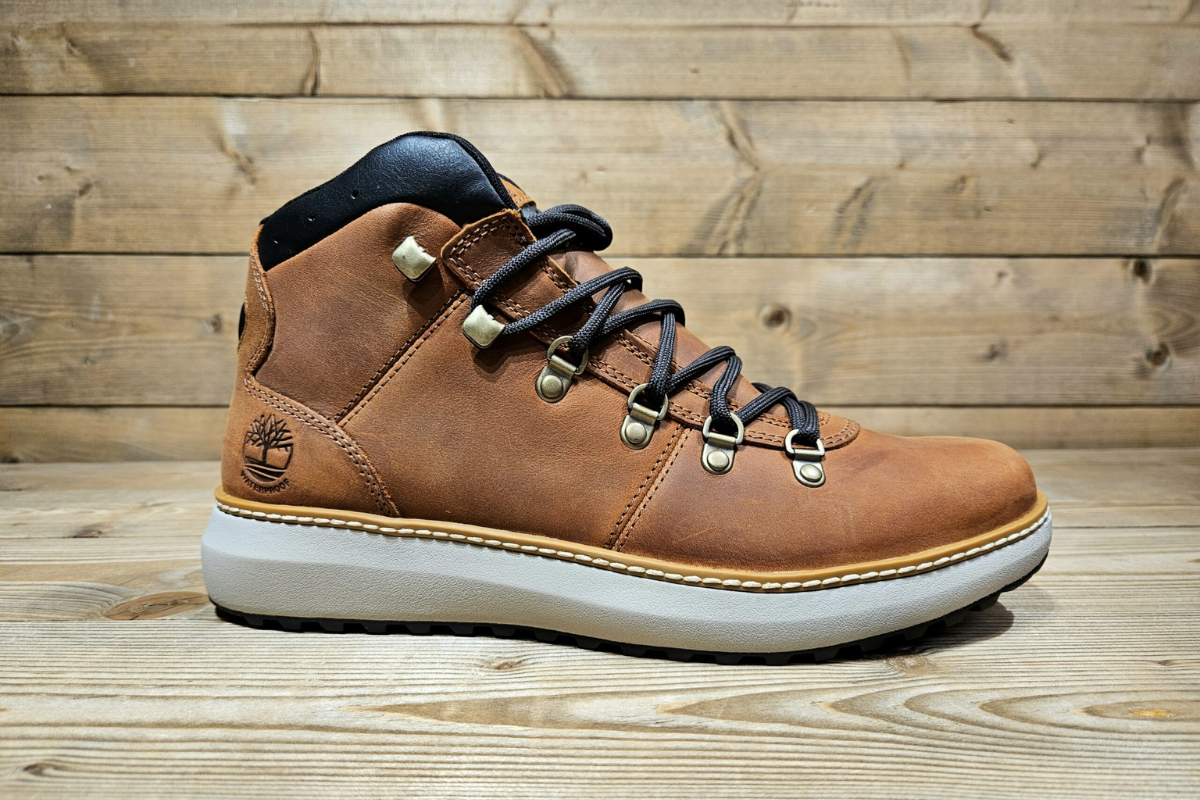
Chukka
The Chukka model is a lower ankle boot built with leather or suede uppers, and offers a simpler silhouette for more casual settings.
It combines the durability of a boot with a more relaxed low-cut style, making it versatile for everyday wear.
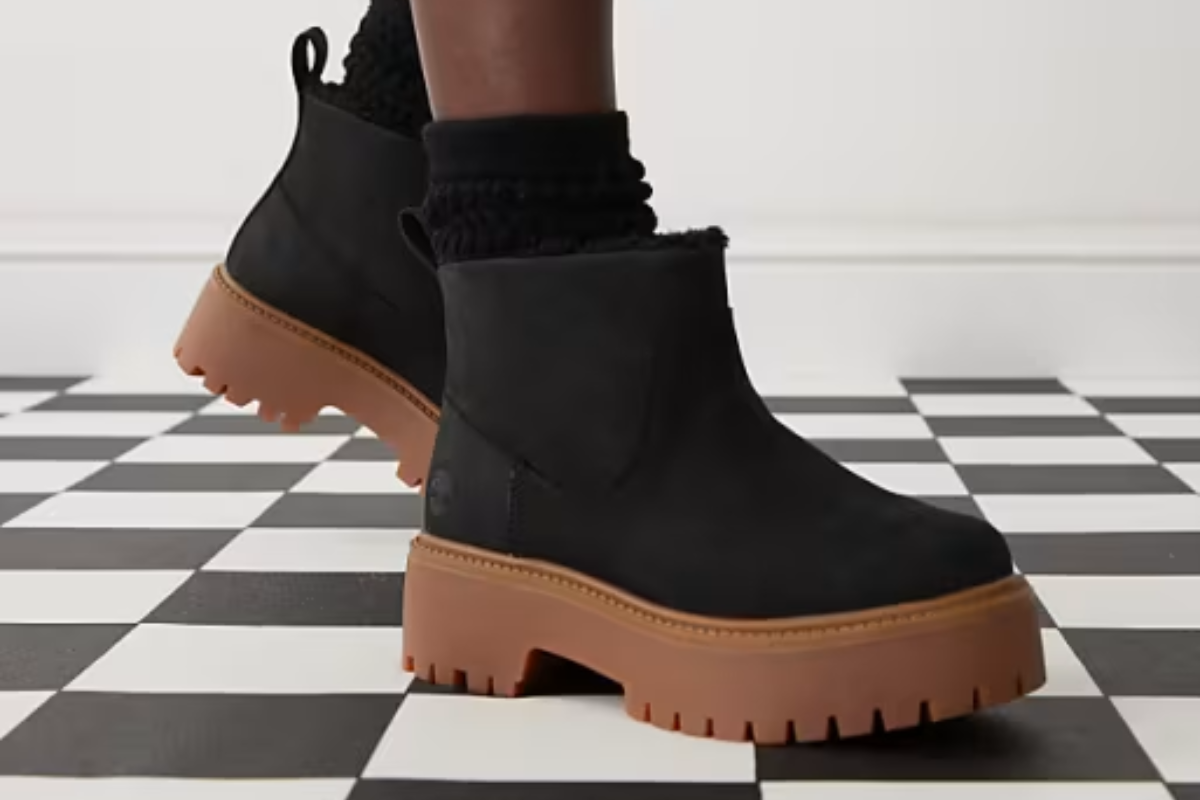
Chelsea
The Chelsea boot features elastic side panels combined with more robust materials such as premium leather.
It merges boot durability with a refined silhouette that can be dressed up or down more easily than lug-sole work boots.
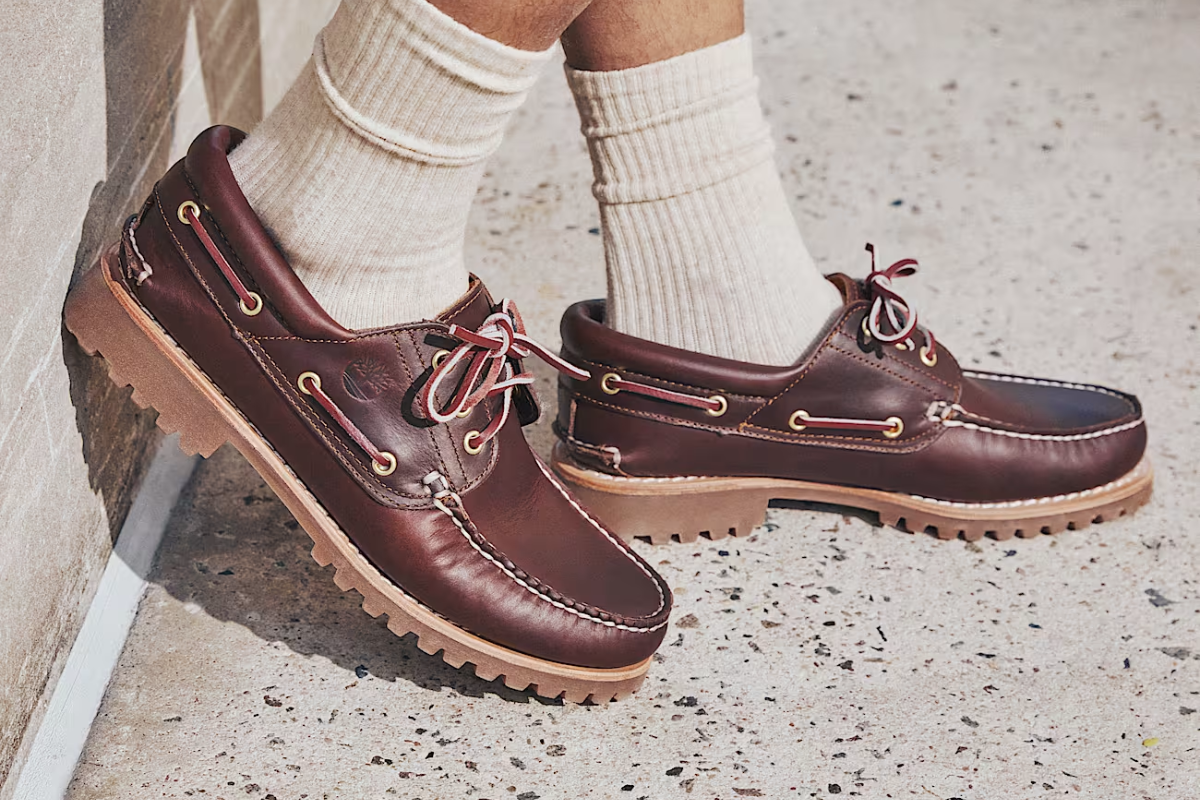
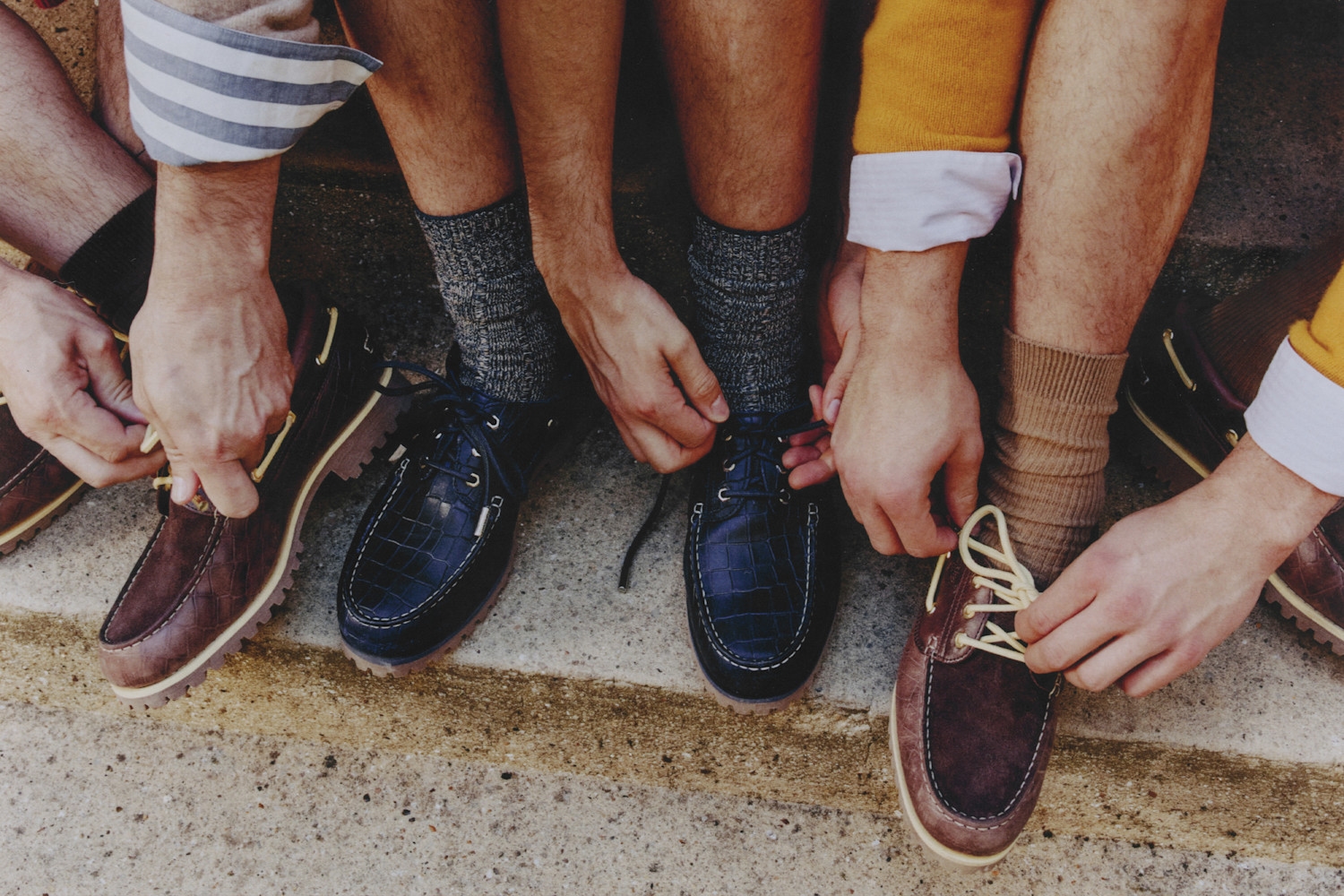
Boat Shoe
A nautical-inspired model, the Boat Shoe uses premium full-grain leather, hand-sewn construction, 360° lacing for fit, and a non-marking rubber outsole for traction.
It blends Timberland's durable build with a casual, summer-friendly style that works on deck or off.
For more FAQs on your favourite sneaker brands and models, visit the Sneaker FAQ page.
.png&w=3840&q=100)