The History of Dr. Martens
The story of Dr. Martens begins in 1945, when Dr Klaus Märtens, a German doctor, suffered a skiing accident in which he sustained a serious foot injury. At the time, Märtens was serving in the Wehrmacht and had to step into the super-uncomfortable military boots despite his injury.
After World War II, Märtens set himself the task of inventing new and, above all, comfortable boots. Together with his business partner Herbert Funck, he recycled rubber from the military, which by then, in 1947, was obsolete. The sole made the boots more comfortable than conventional work boots. So the first boots were made almost entirely from army leftovers.
In 1960, the company expanded into the UK through British footwear manufacturer R. Griggs Group Ltd, who acquired the rights to Märtens design. Modifying it for a tougher, more industrial look, they added the iconic yellow stitching, grooved soles, and a heel loop, and changed the name to 'Dr. Martens'.
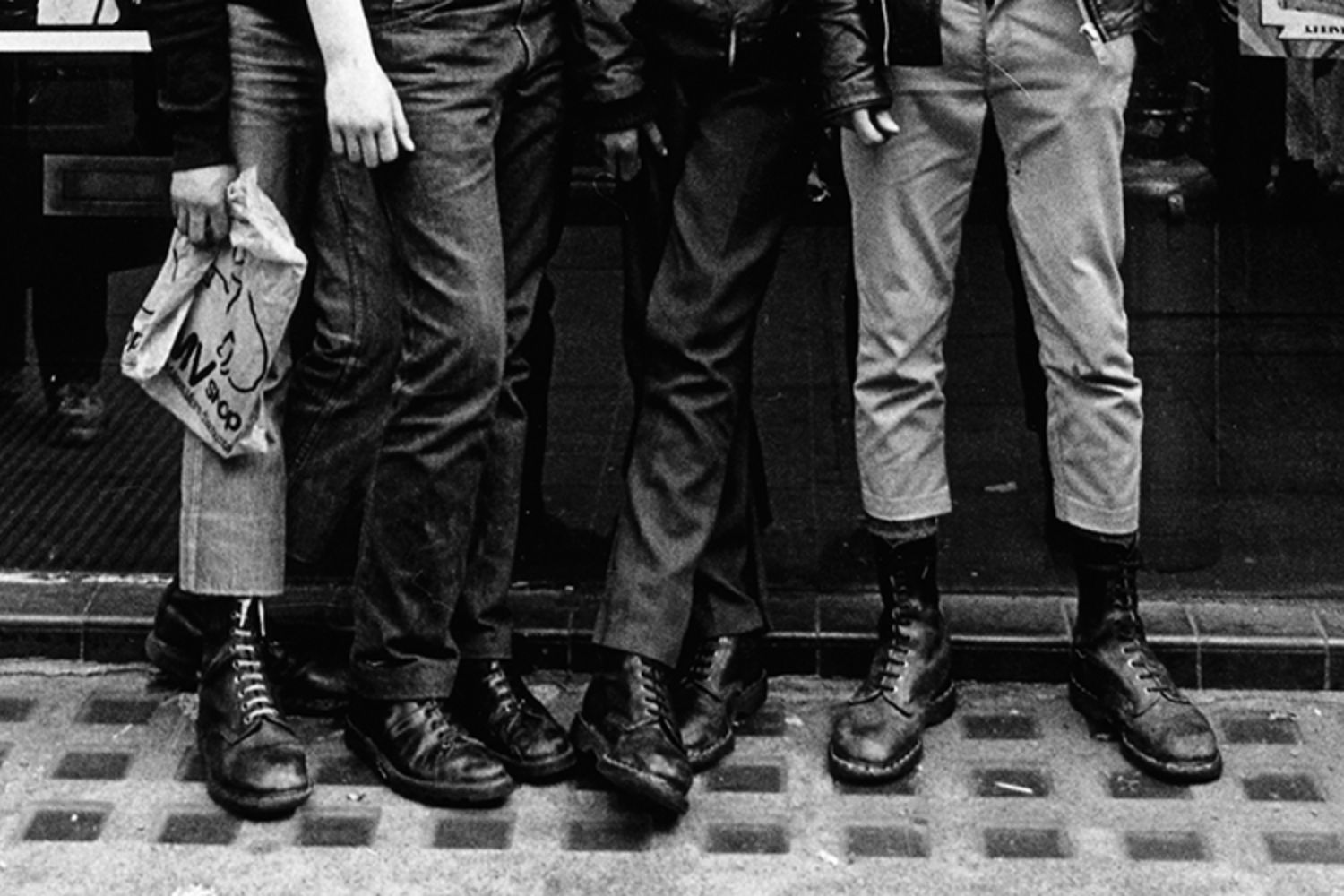
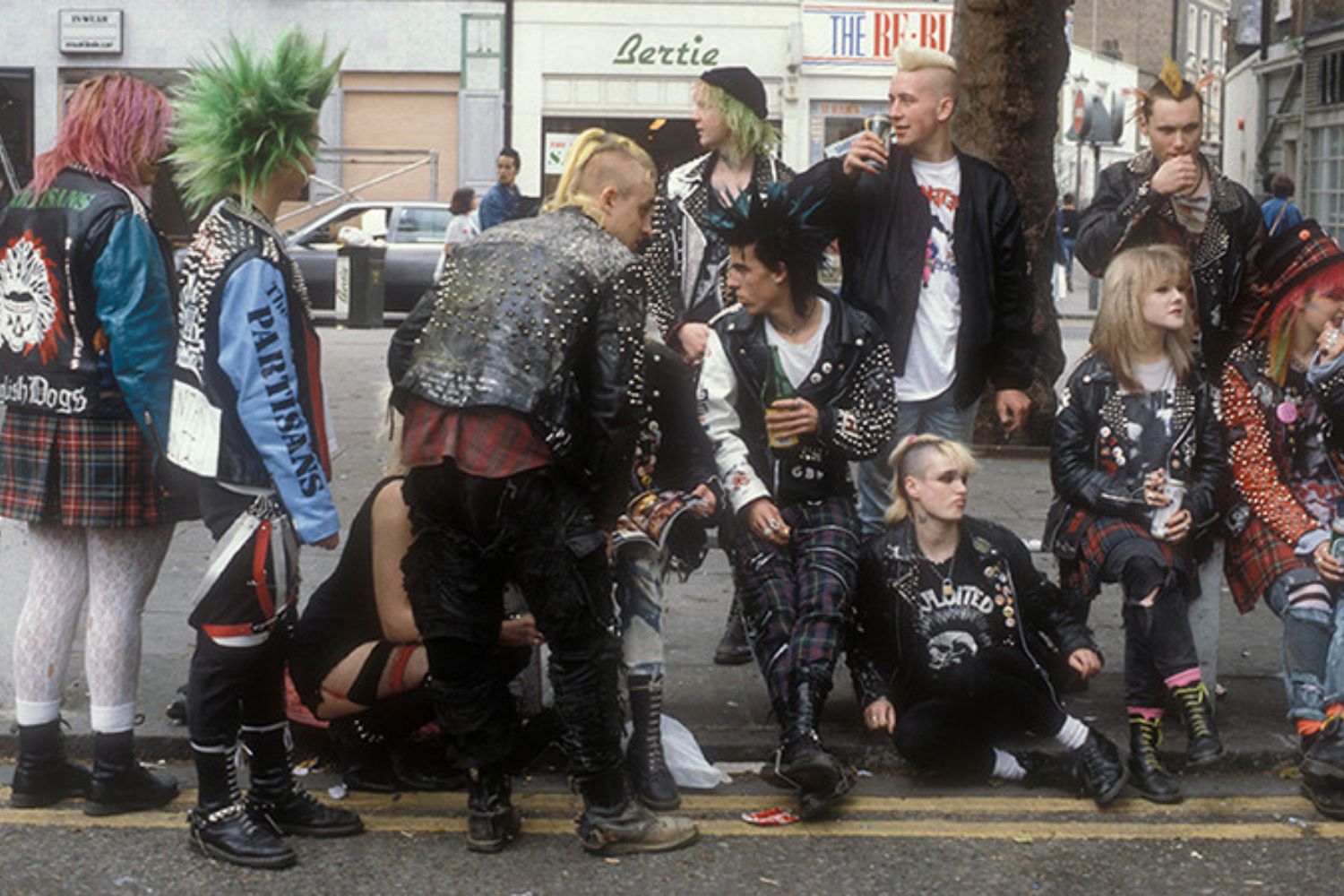
Quickly moving beyond workwear, Dr. Martens were embraced by British youth subcultures as a rebellious symbol. Skinheads, punks, goths and more adopted the boots, while musicians like The Clash and The Who cemented them as a staple in alternative fashion in the 80s and 90s.
After nearly going bankrupt in the early 2000s, Dr. Martens had a strategic relaunch focusing on collaborations with designers like Vivienne Westwood and Jean-Paul Gaultier, alongside a new focus on lifestyle and fashion, which revived the brand.
Today, the boots are a global fashion statement, standing as a testament to timelessness and seamlessly blending its working-class roots with contemporary fashion and subcultural appeal.
Dr. Martens: Answering Your Questions
What materials are Dr. Martens made from?
Dr. Martens are made from a variety of materials, depending on the model and collection. Typically, the uppers are made from leather, and the soles from PVC (polyvinyl chloride) alongside the brand's signature AirWair™ cushioning, which provides durability and comfort.
What is AirWair™?
AirWair™ is a signature technology used by Dr. Martens in their footwear, specifically the cushioned, air-padded sole that provides superior comfort and durability.
Do Dr. Martens fit true to size?
Dr. Martens are true to size, so if you should purchase your regular size. The boots generally have a slightly wider fit than Dr Martens loafers.
How do you wear Dr. Martens?
Dr Martens need to be broken in properly before they can be worn. Many wearers talk about how the run-in phase can be very painful. Therefore, blister plasters, tape and heel protectors are advised to be applied to the areas where there is the most friction and pressure. Common places for painful blisters are the heel, outer ankle and on the toes.
How do you tie Dr. Martens boots?
For guidance on tying your Dr. Martens laces, check out our Ultimate Sneakerjagers Lacing Guide!
Where are Dr. Martens made?
The majority of Dr. Martens boots are produced in China and Vietnam, allowing for cost-effective production, and also in Thailand and Laos. A small percentage are made in the UK, as part of the 'Made in England' collection. These are made using traditional techniques and higher-quality materials, making them more expensive than the standard models.
How long do Dr. Martens last?
If well-maintained, Dr. Martens boots are famous for lasting for up to and even over a decade. If worn daily, you can expect some wear-and-tear after 3-5 years.
Are Dr. Martens waterproof?
While Dr. Martens do provide a high degree of water resistance, and are fine in a light rain or in puddles, they are not 100% waterproof, and the leather could end up damaged if submersed for too long.
Which Dr. Martens are the most popular?
According to Dr Martens, the Doc 1460 with smooth leather is the brand's most popular boot. The Jadon boot, Sinclair, and Chelsea boots are also high on the list.
How do I clean my Dr. Martens boots?
A Dr. Martens boot should be cleaned by hand. For the best results, remove the laces, then use a toothbrush to remove obvious dirt from the surface. Mix a mild detergent with some water and use a sponge or cloth to gently scrub harder stains. Use a damp cloth to wipe off the residue, then let them air-dry. Optionally, you can use a leather conditioner to keep the leather soft and prevent cracks. Laces can be cleaned with a mild detergent and rinsed afterwards.
For bad smells, you can sprinkle baking soda inside the shoe, then leave overnight. The powder will absorb moisture and neutralise the smell. Shake out the excess before wearing again. Alternatively, you can use silica gel or activated charcoal bags for the same results.
We do not recommend putting your boots in the washing machine. The leather and glue will likely be damaged.
Where can I buy Dr. Martens?
Do you have your eye on this brand? You can find Dr. Martens shoes at different retailers like Snipes, Asphaltgold, AFEW, 43einhalb, Footdistrict and Solebox.
Notable Dr. Martens Collaborations
Dr. Martens has had several high-profile collaborations over the years. From designers like Raf Simons and Marc Jacobs to the Sex Pistols and The Clash, to even artist Keith Haring and pop culture icons like Hello Kitty, all have placed their mark on the classic Dr. Martens boot.
BAPE x Dr. Martens
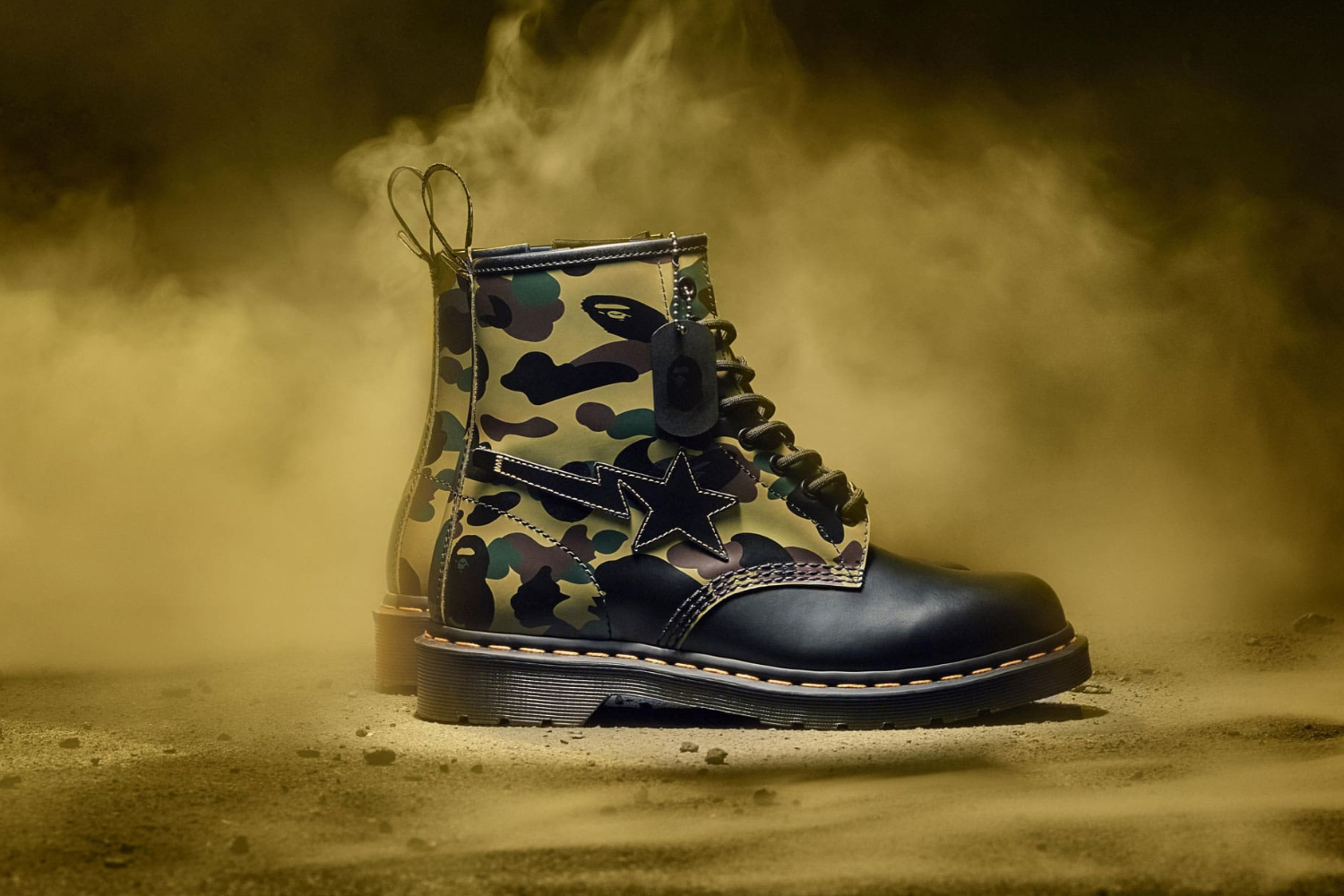
One of the brand's most iconic collaborations of all time was with Japanese streetwear brand BAPE, who fused their notable camouflage print with some of Dr. Marten's classic silhouettes, like the 1460 and 1461. The shark-tooth detailing and signature BAPE branding meant that these shoes were an absolute must-have for streetwear fans, but their exclusivity and limited-release made them a hard find.
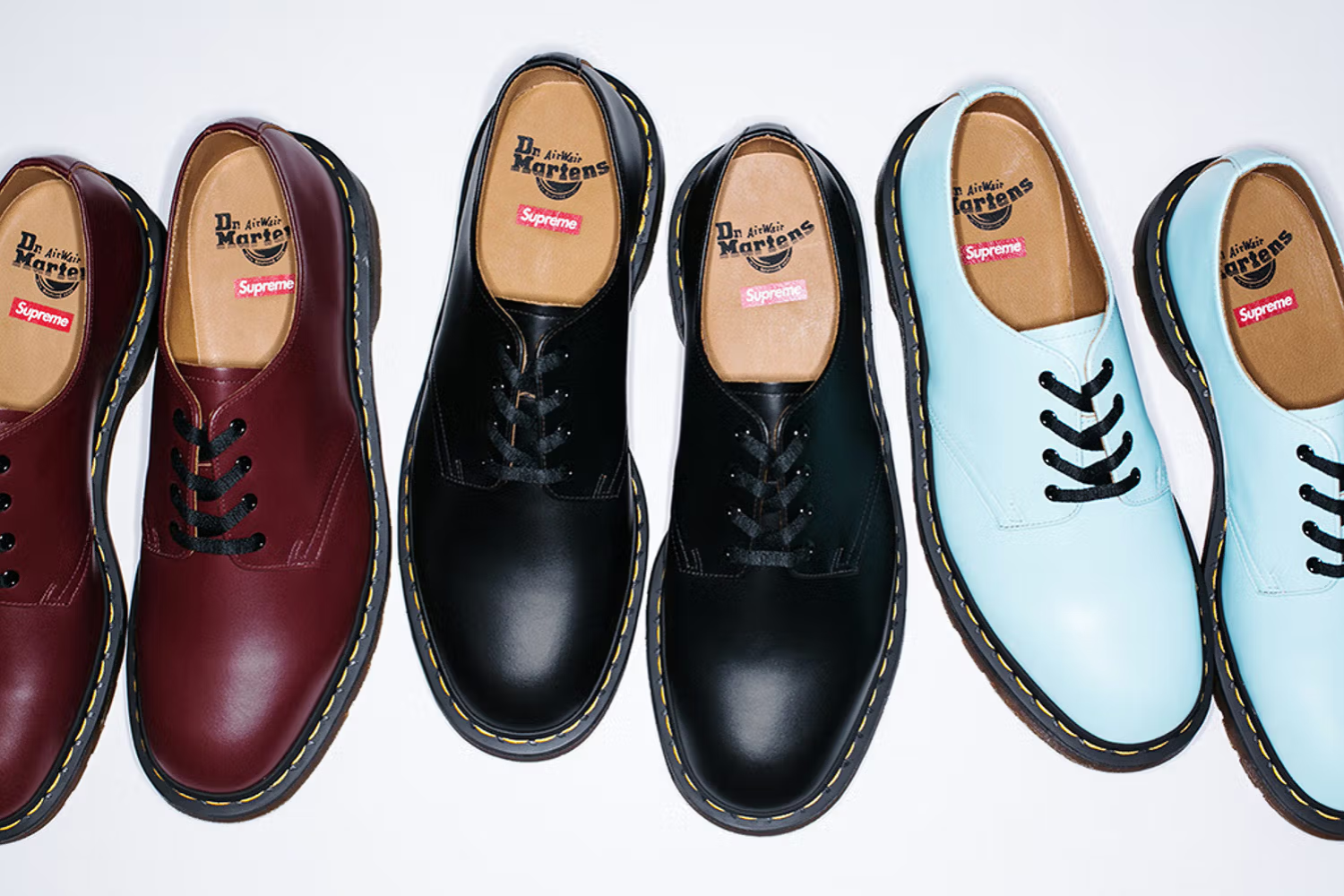
Supreme x Dr. Martens
Supreme have put their stamp on Dr. Martens multiple times over the years, using unique colours, luxe materials, and bold branding in their limited-edition drops. Celebrity and influencer attention have boosted their notoriety, leading to quick sell-outs and huge lines at stores when the collabs release.
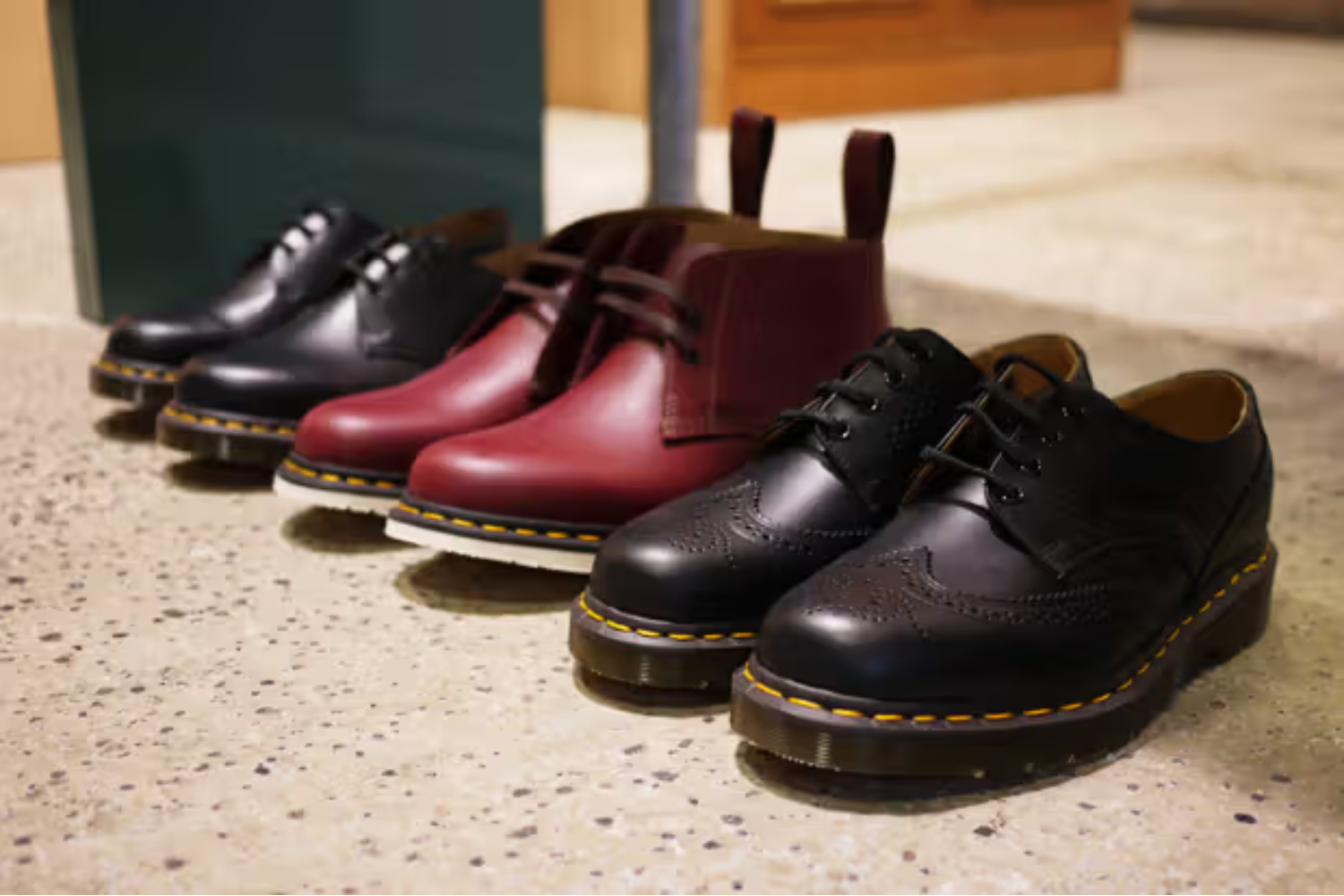
Comme des Garçons x Dr. Martens
High-fashion meets punk in this collaboration, with Comme des Garçons' avant-garde aesthetic and premium craftsmanship bringing edgy design elements to Dr. Martens signature boots. Featuring a clean, minimalist style, subtle updates like embellishments and polished leather made this collab both culturally significant and highly desirable.
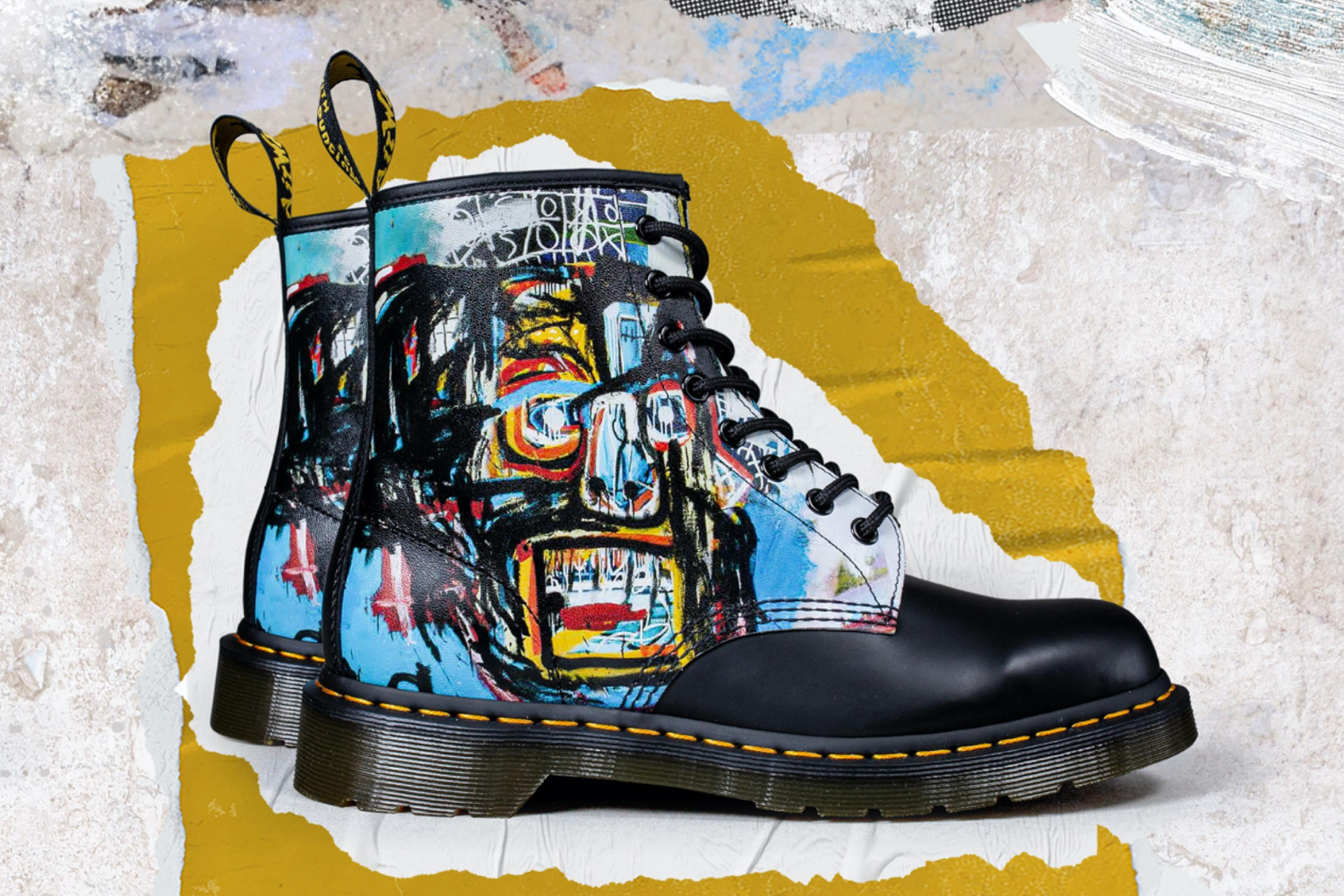
Basquiat x Dr. Martens
Legendary street artist Basquiat placed his iconic artwork on Dr. Martens boots and shoes in this celebrated collaboration. His graffiti-inspired marks, crown motif, and bold, abstract lines brought a colourful, chaotic, and rebellious edge to the 1460 and 1461 silhouettes. Massively popular amongst art lovers and fashion enthusiasts alike, it sold out quickly and commands high resale prices.
Popular Dr. Martens Models
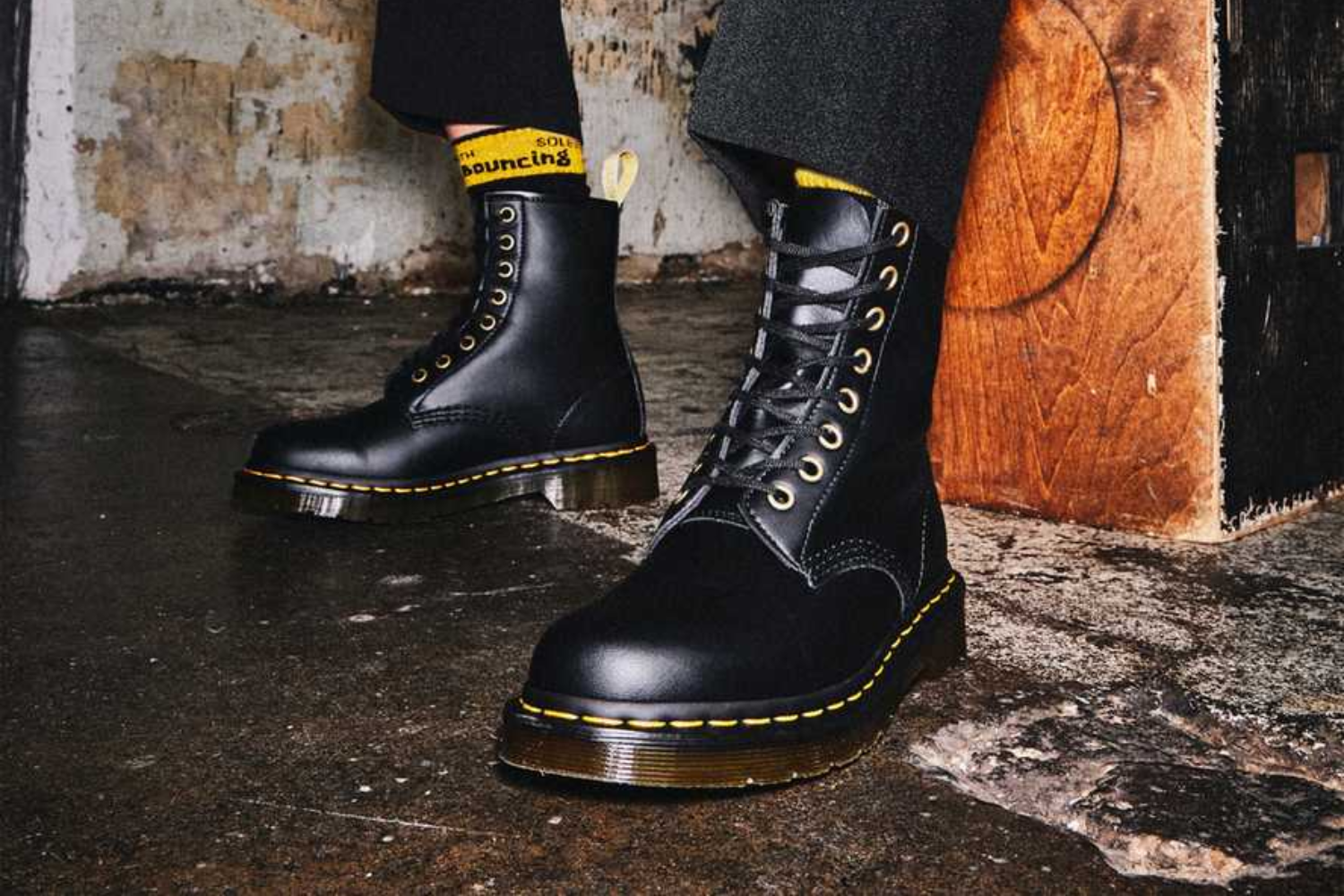
1460
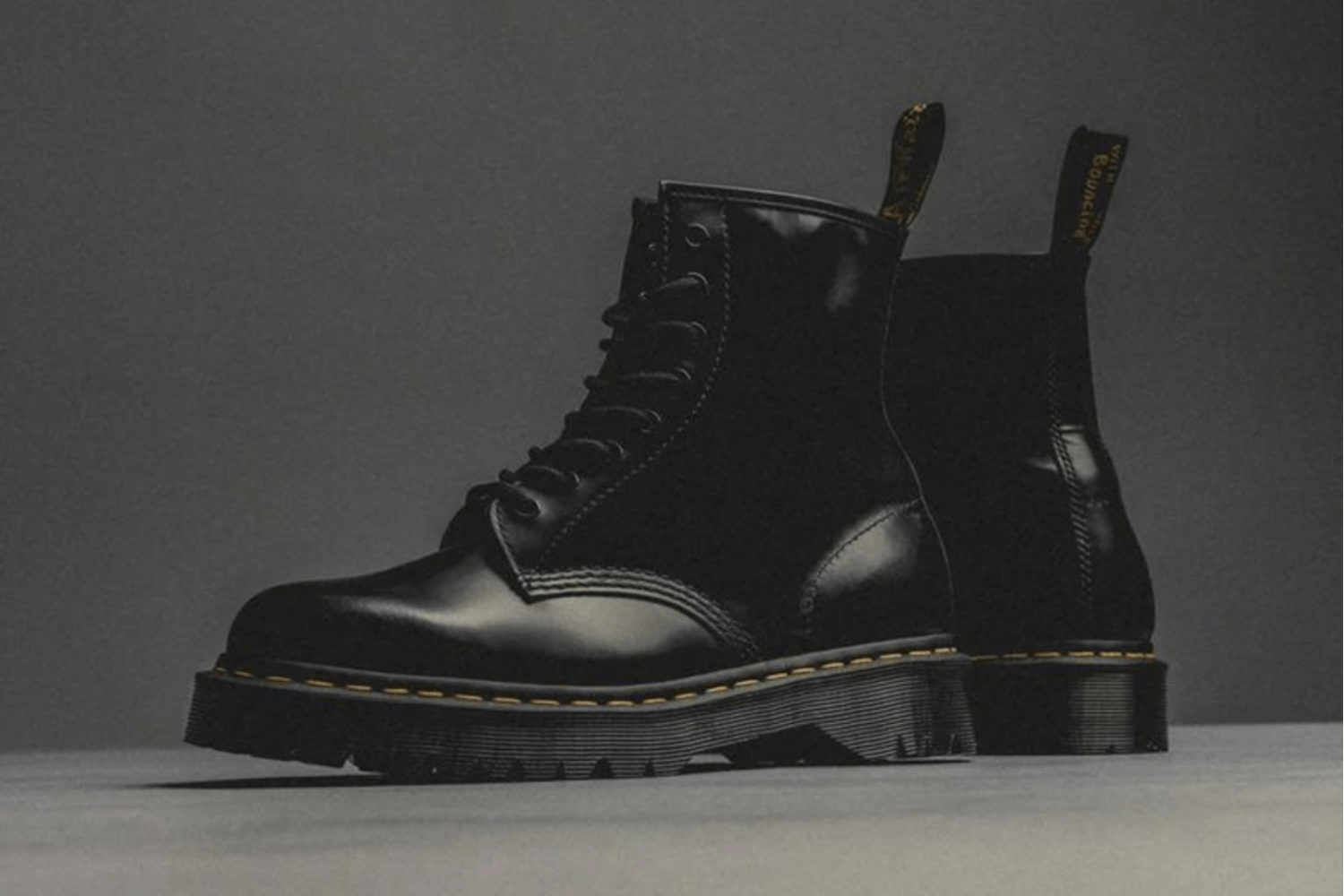
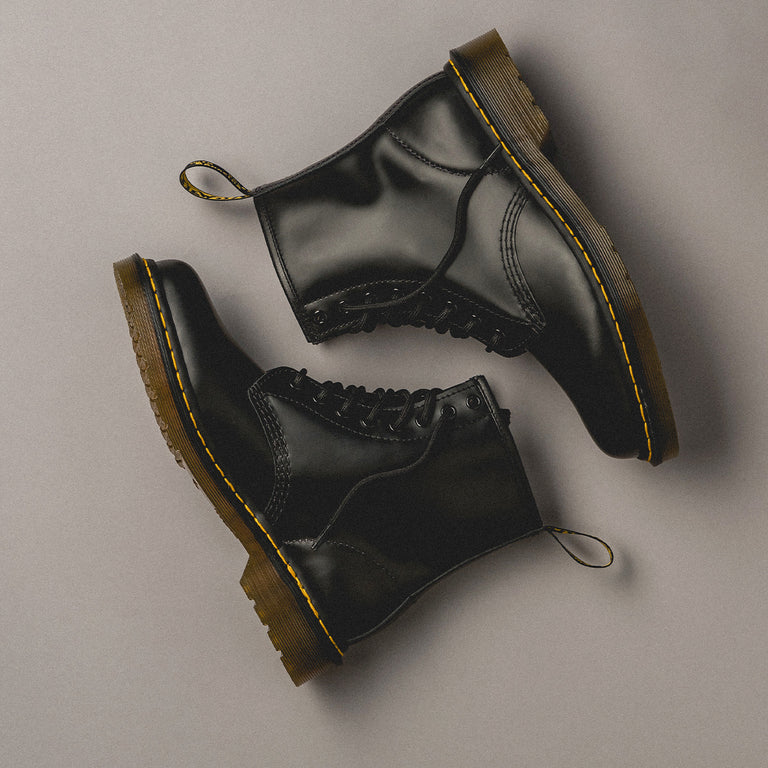
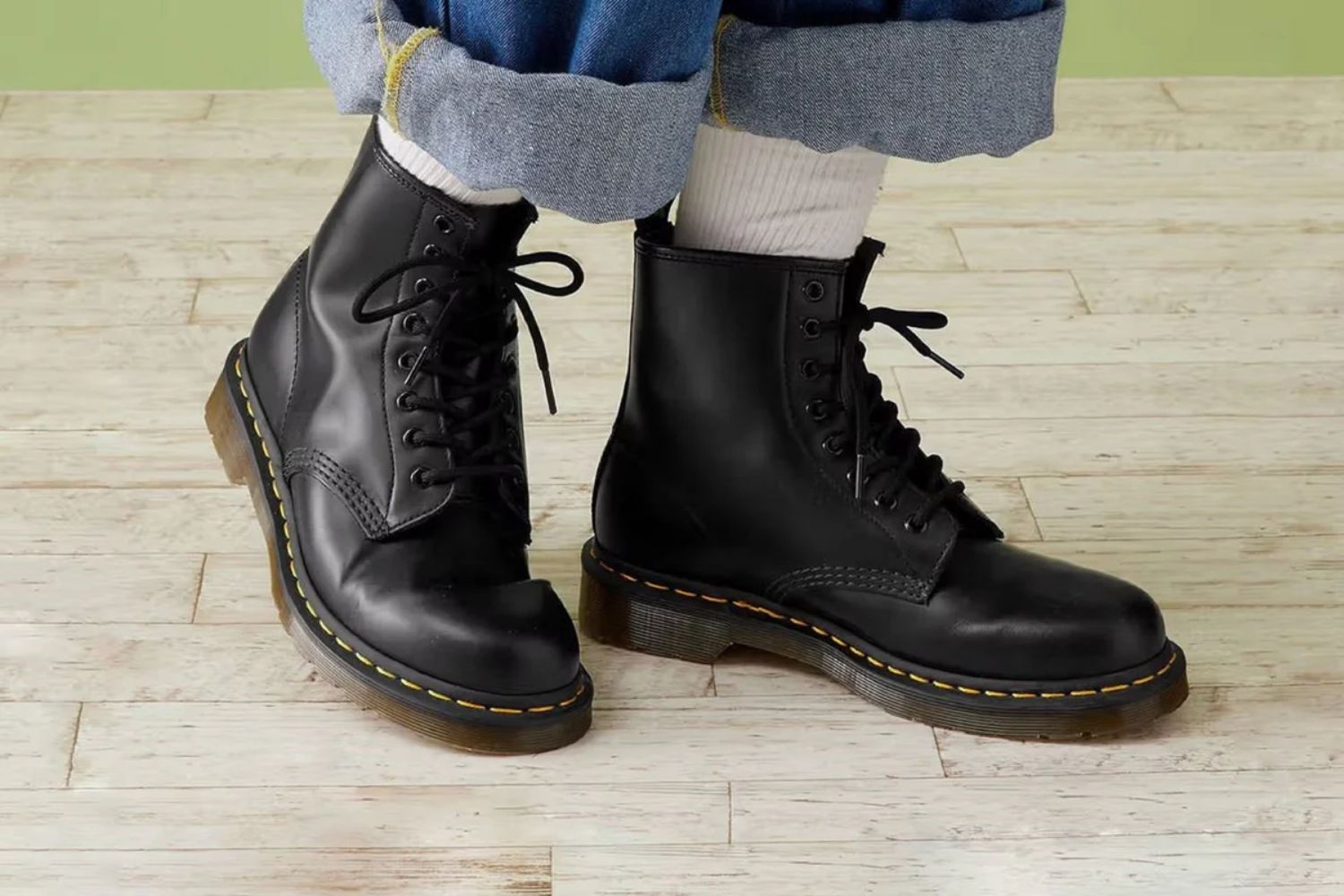
The 1460 is the original Dr. Martens boot, first released in 1960, and remains the brand's most iconic and recognisable style. It features the signature 8-eyelet lace-up, AirWair™ cushioned sole, and yellow stitching.
Representing rebellion and punk culture, it can be worn with both casual outfits or more refined looks, and is available in multiple finishes.
2976
The 2976 is Dr. Martens' take on the classic Chelsea boot. It has the classic 8-eyelet look, but with a streamlined, slip-on design, and elasticated sides for easy on/off.
A sleek and casual alternative, it's available in both leather and suede finishes.
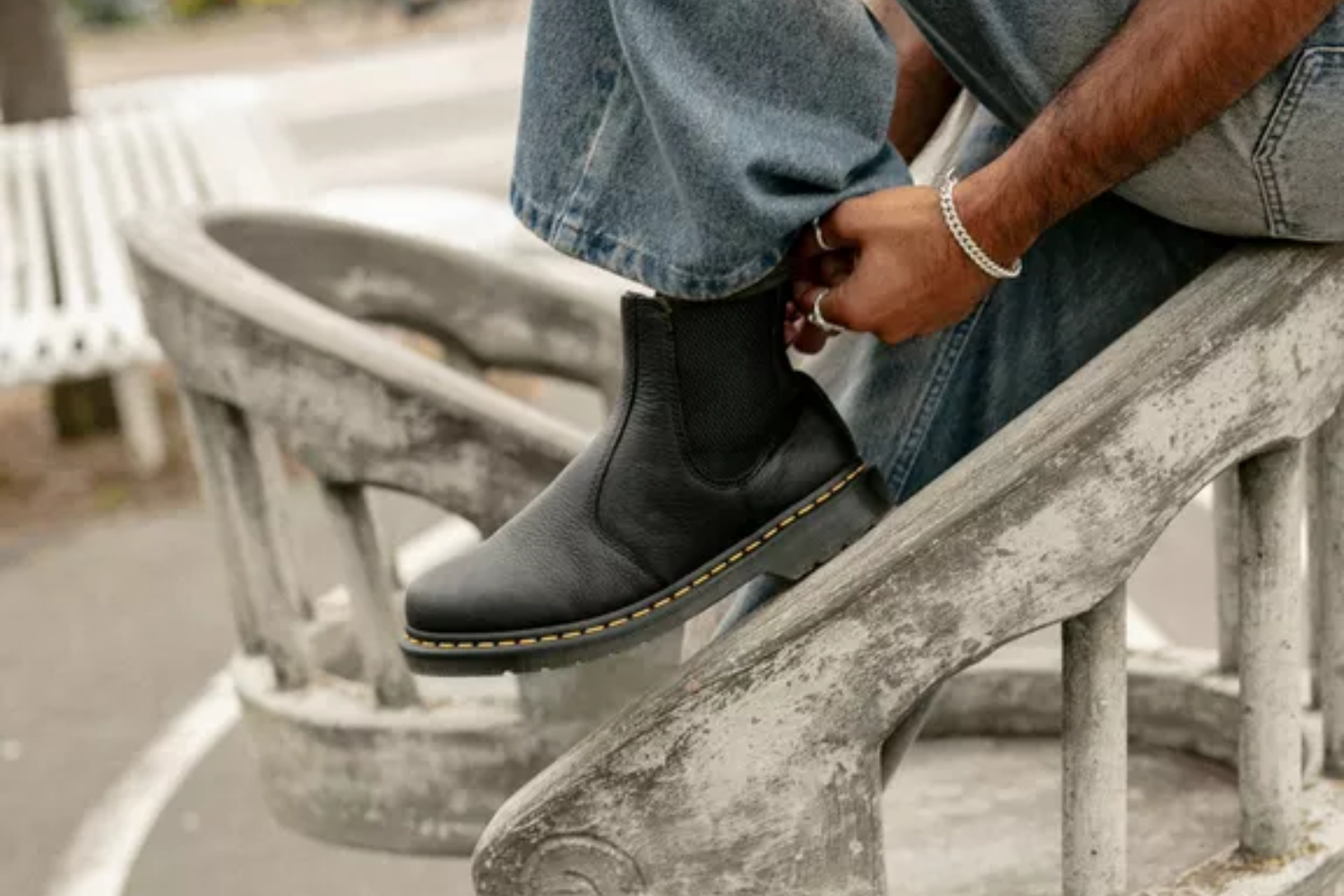
Jadon
The Jadon is a chunky platform boot that takes the classic 1460 silhouette and elevates it with a bold platform sole. It's popular in the alt-fashion and punk scene, with a more edgy twist on the traditional Dr. Marten's look.
Available in both leather and vegan leather, it features the classic 8-eyelet lace-up design with a chunky platform and AirWair™ sole.
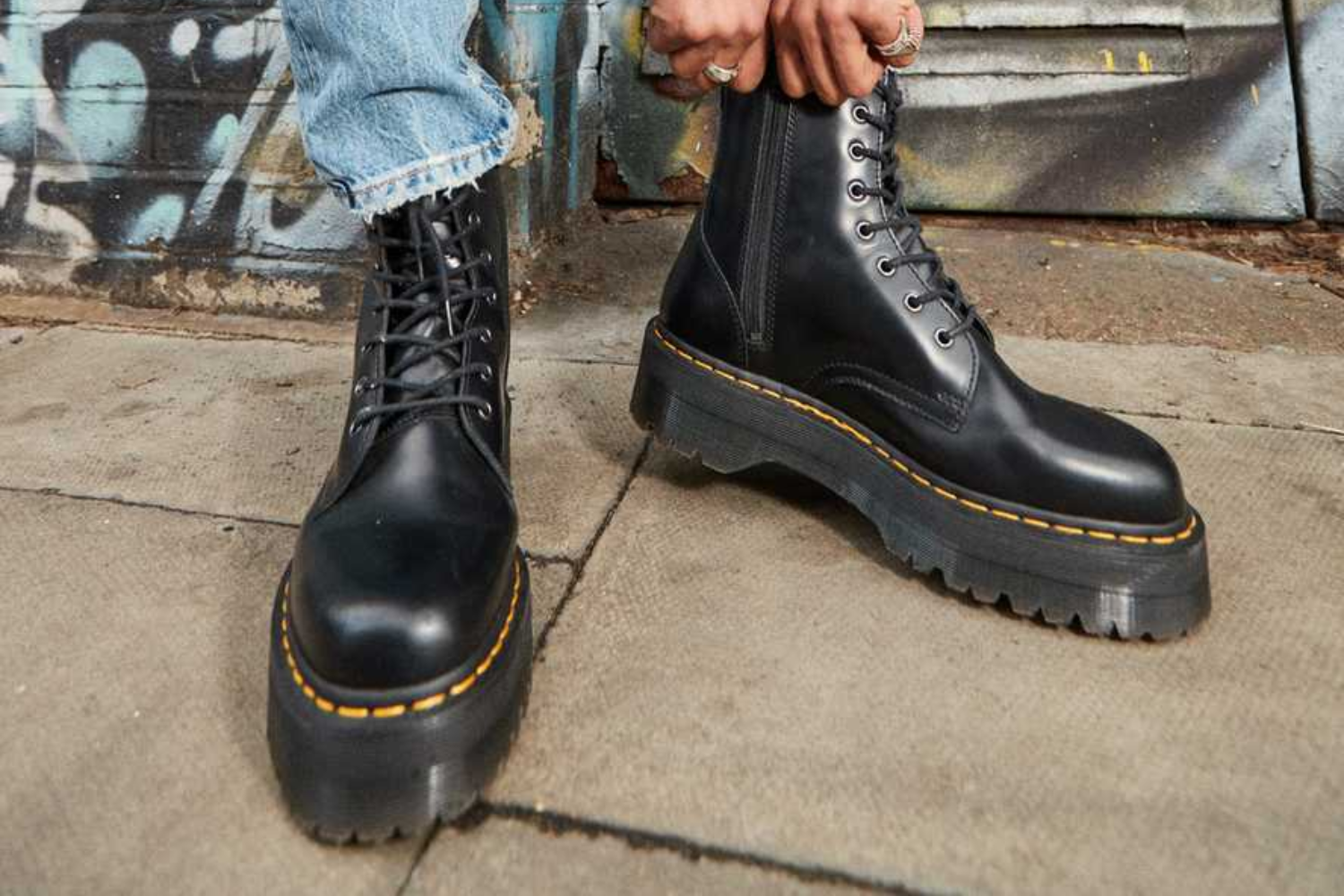
101
The 6-eyelet 101 boot is a shorter version of the 1460. With a lower and sleeker profile, it's perfect for those who want the Dr. Martens' look but with a more casual feel.
The boot features the same signature AirWair™ sole and yellow stitching, with a more flexibility and a more feminine silhouette.
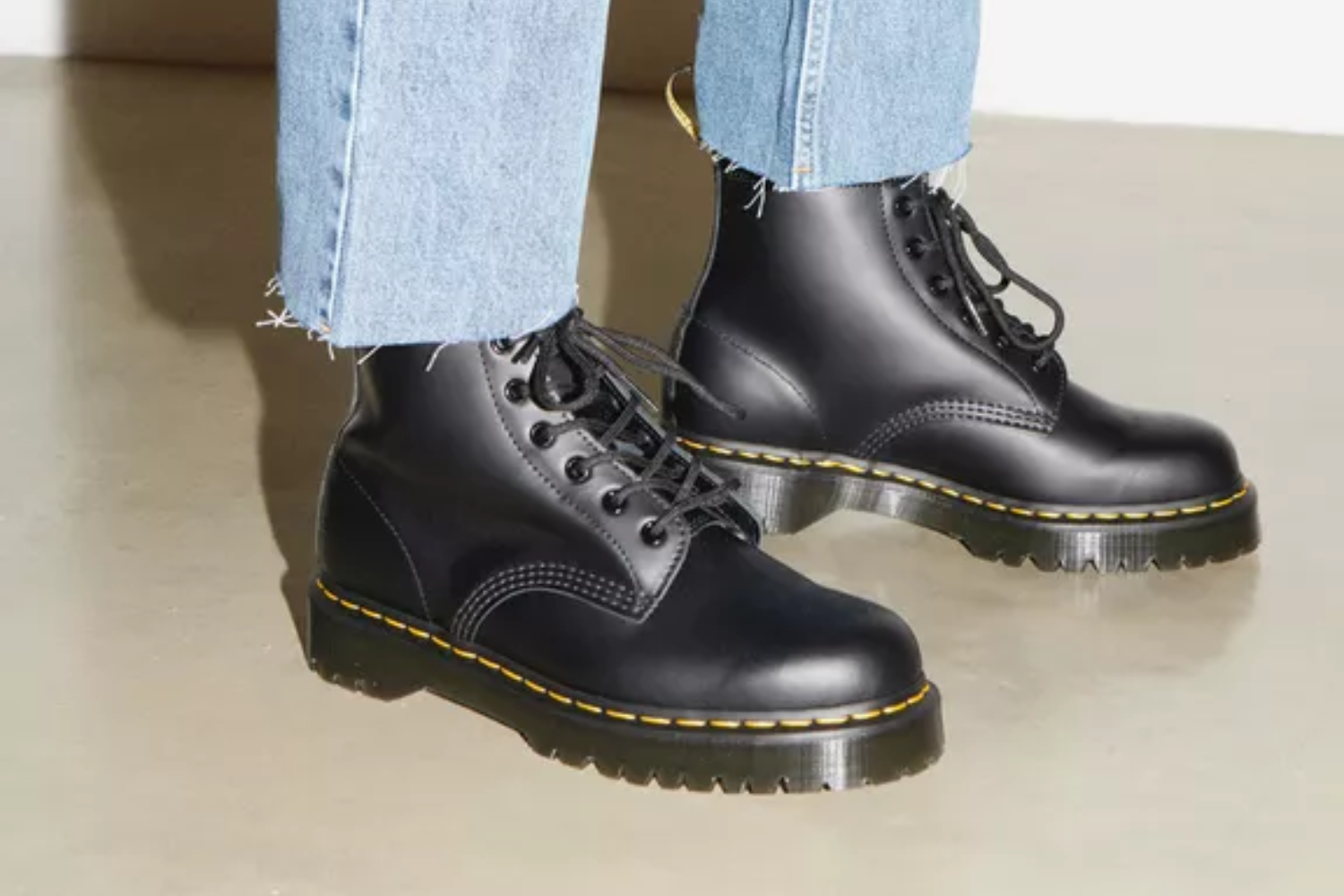
Combs
The Combs is a combat-style boot that has a chunkier, more rugged look. It's a great alternative to the traditional 1460 for those looking for something a bit more heavy-duty.
With a more aggressive appearance and heavier build, it's a bold, durable boot with a sturdier construction, extra thickness in the sole, and additional metal detailing.
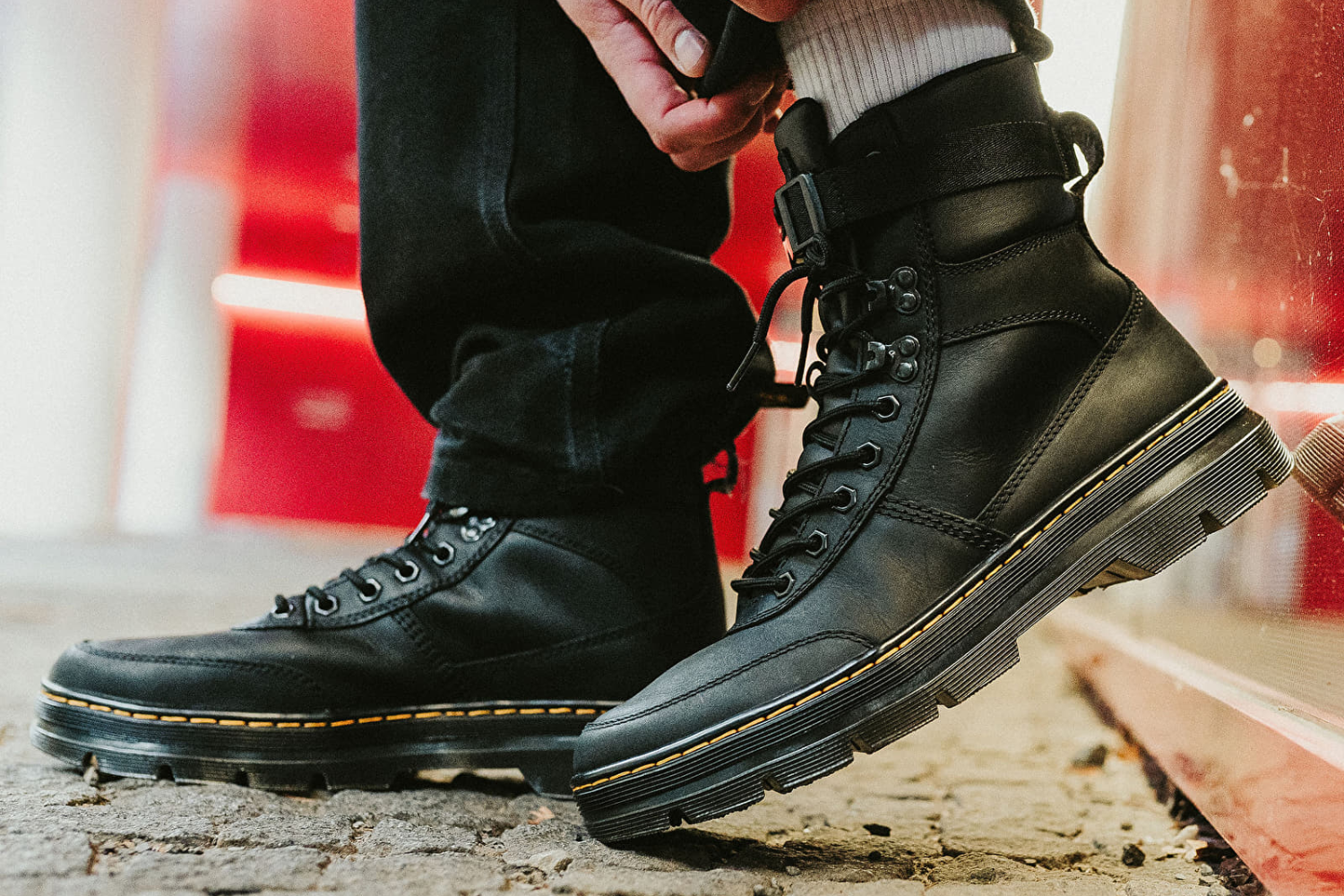
1461
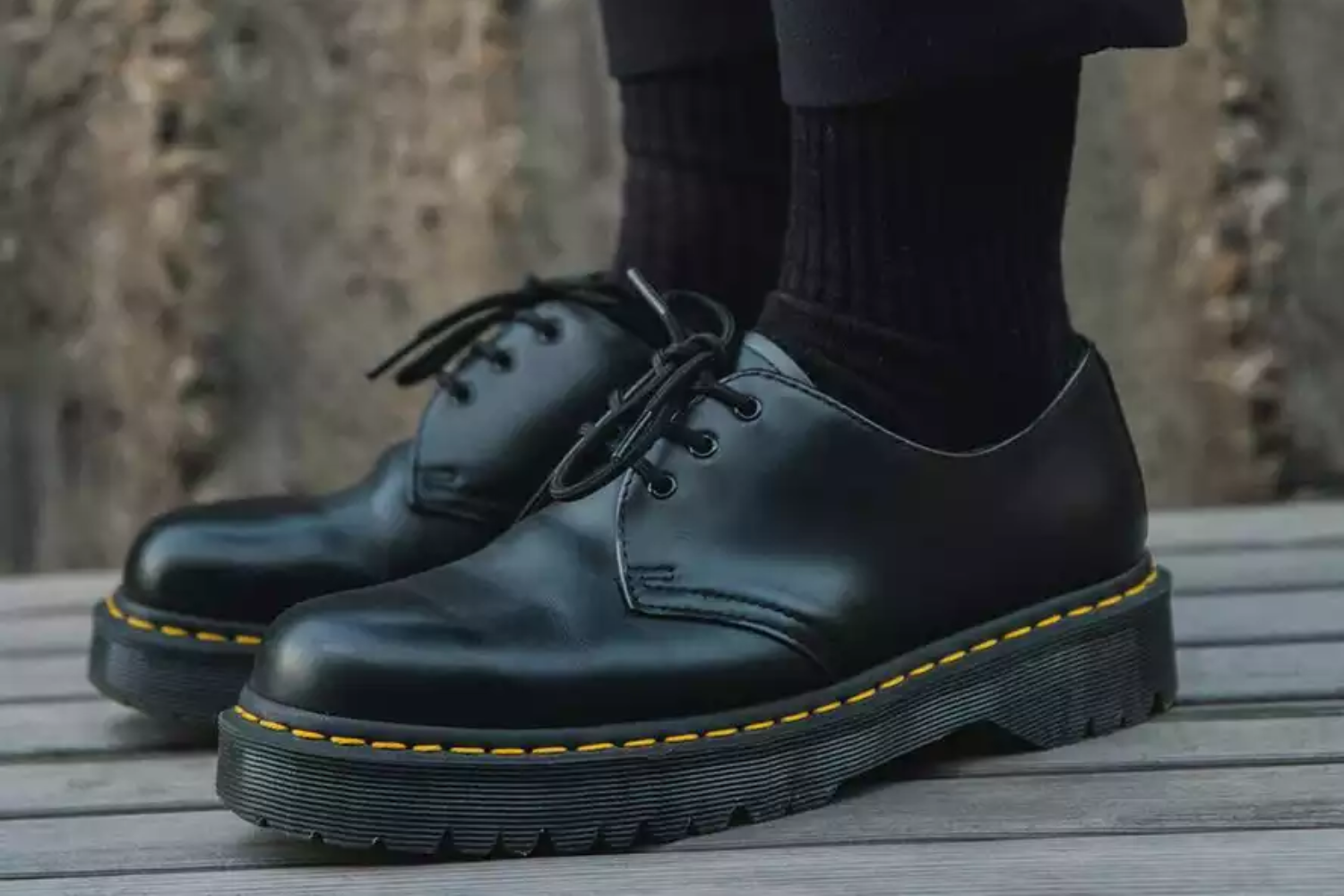
The 1461 is the 3-eyelet version of the 1460 boot, with a lower, more streamlined silhouette. It's a popular alternative for those who prefer a more casual, less bulky shoe.
It's widely loved for its comfort and easy styling—perfect for both men and women.
Adrian
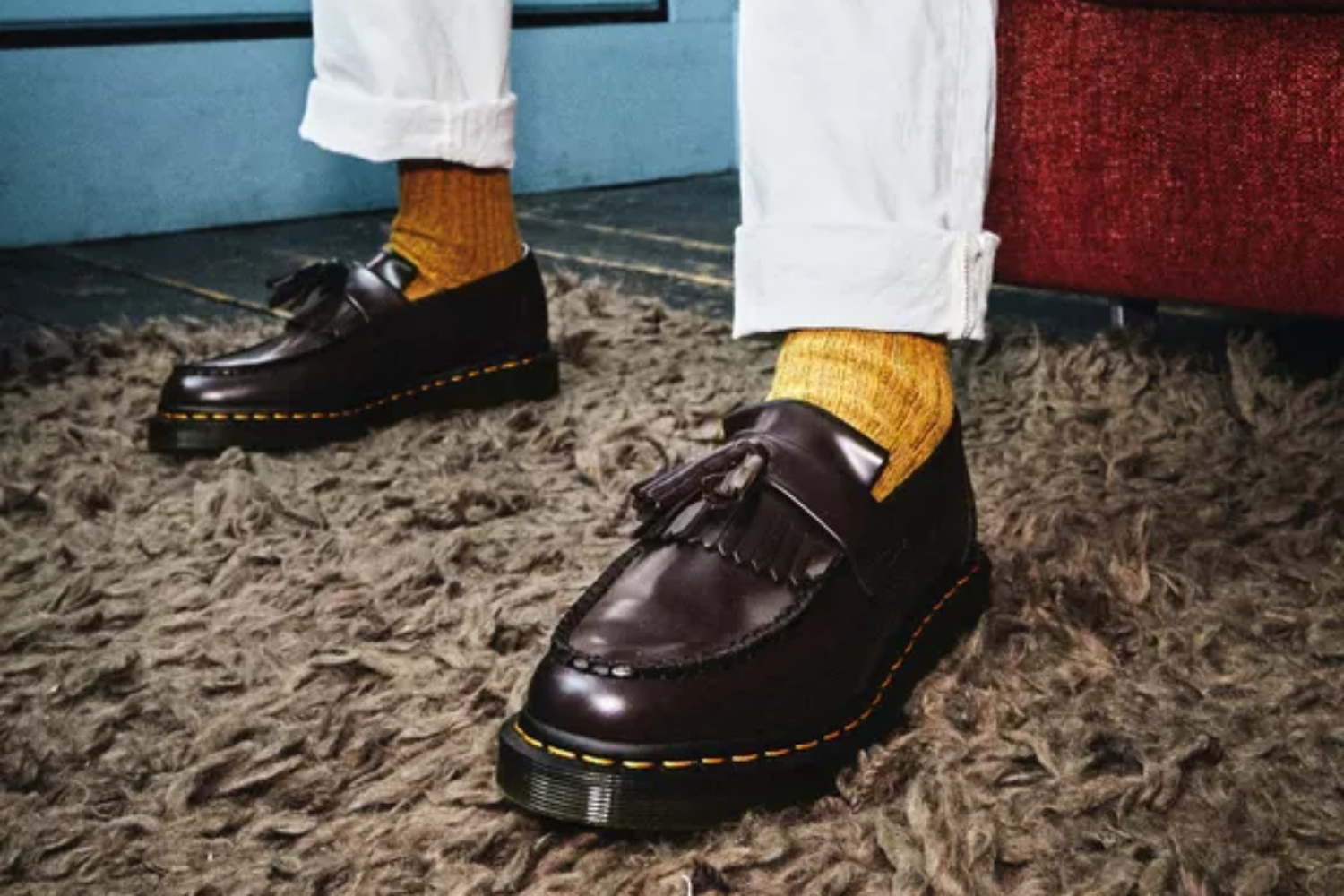
The Adrian is a loafer-style shoe that has an elevated, sophisticated silhouette. Featuring a kiltie fringe and tassel detailing, the Adrian is a versatile loafer that combines comfort with a stylish look.
Available in smooth leather and other finishes, it adds a bit of edge to a traditionally classical footwear style, making it popular among individuals who want a unique twist on a timeless design.
For more FAQs on your favourite brands, visit the Sneaker FAQ page.