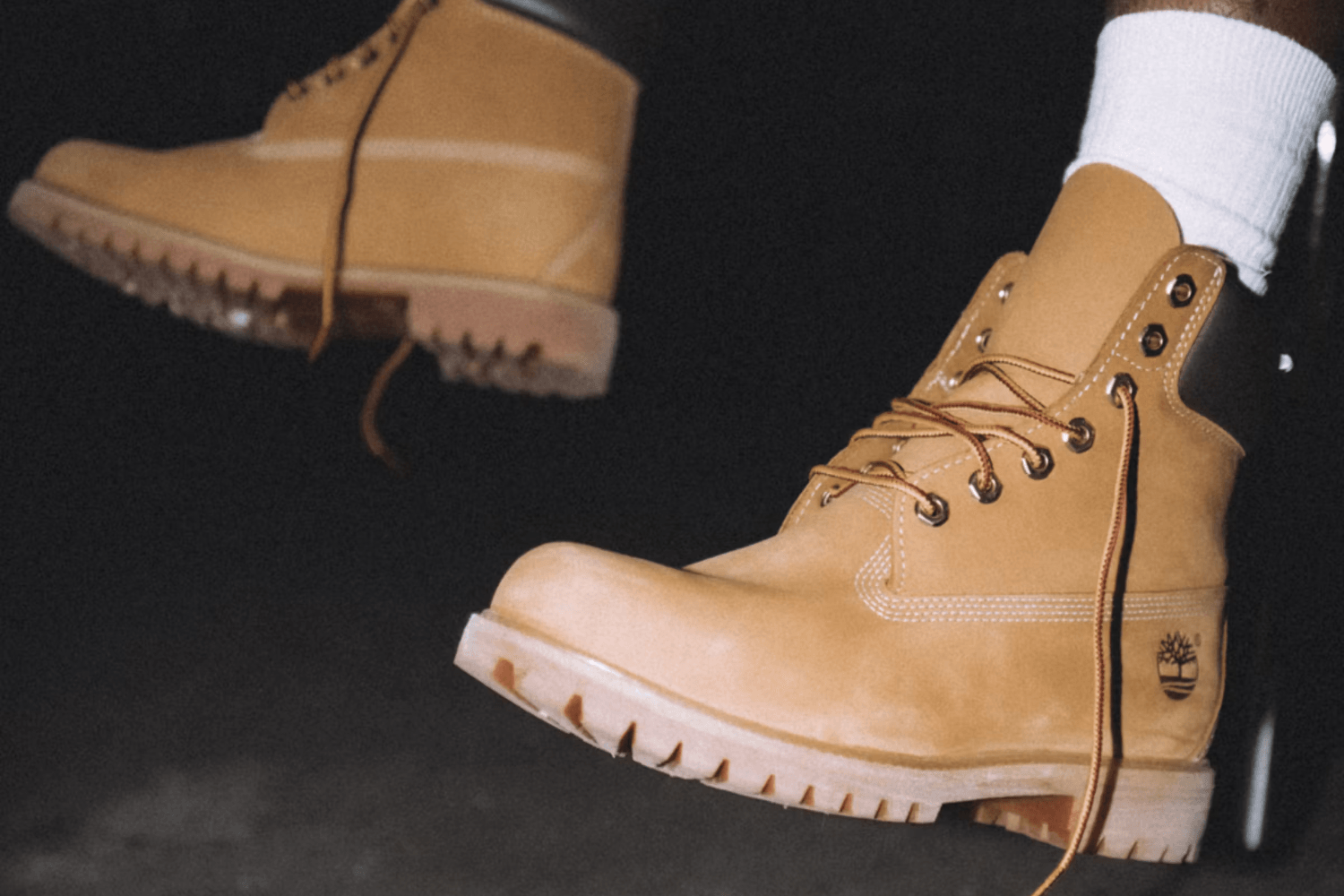
The trend of work shoes entering pop culture runs deep through fashion history, and Timberlands are one of its clearest examples. So why did Timbs become so central to so many subcultures? And what makes this pair of boots so instantly recognisable, and so desired? Let's break it down.
The Roots of Timberland
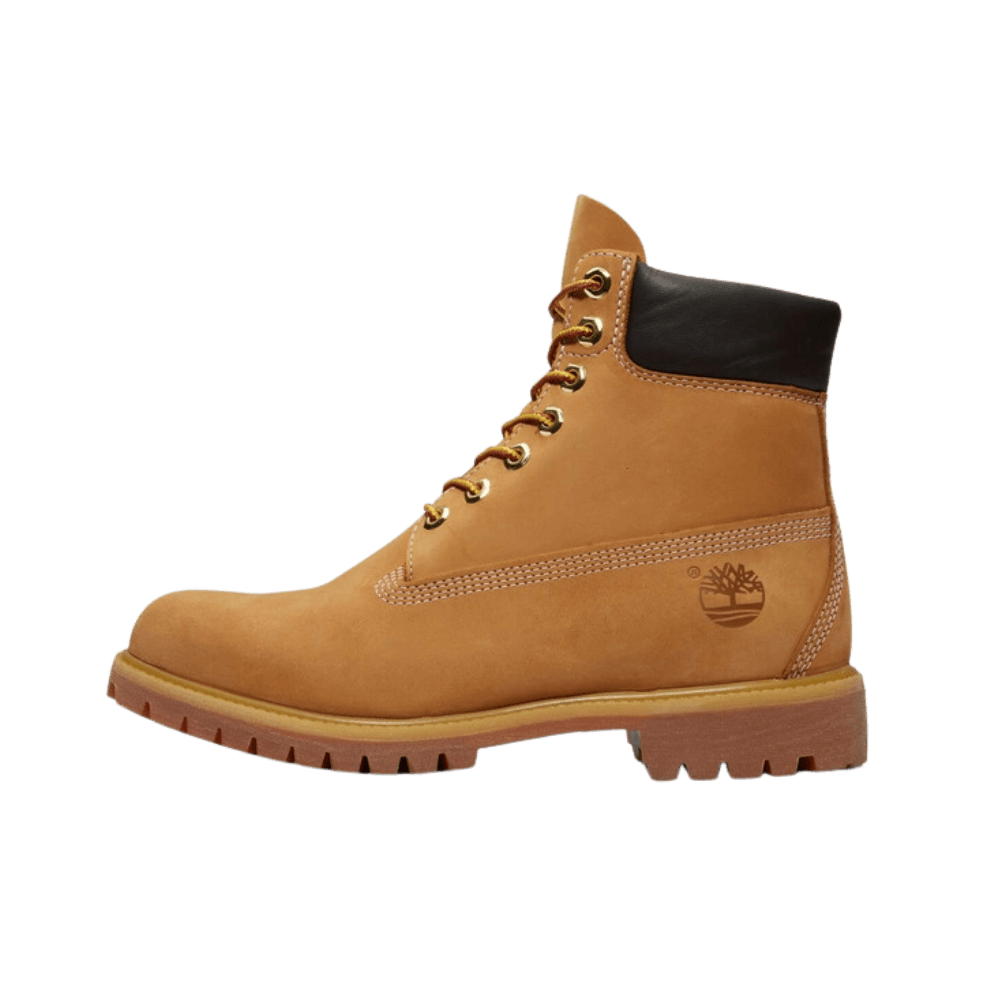
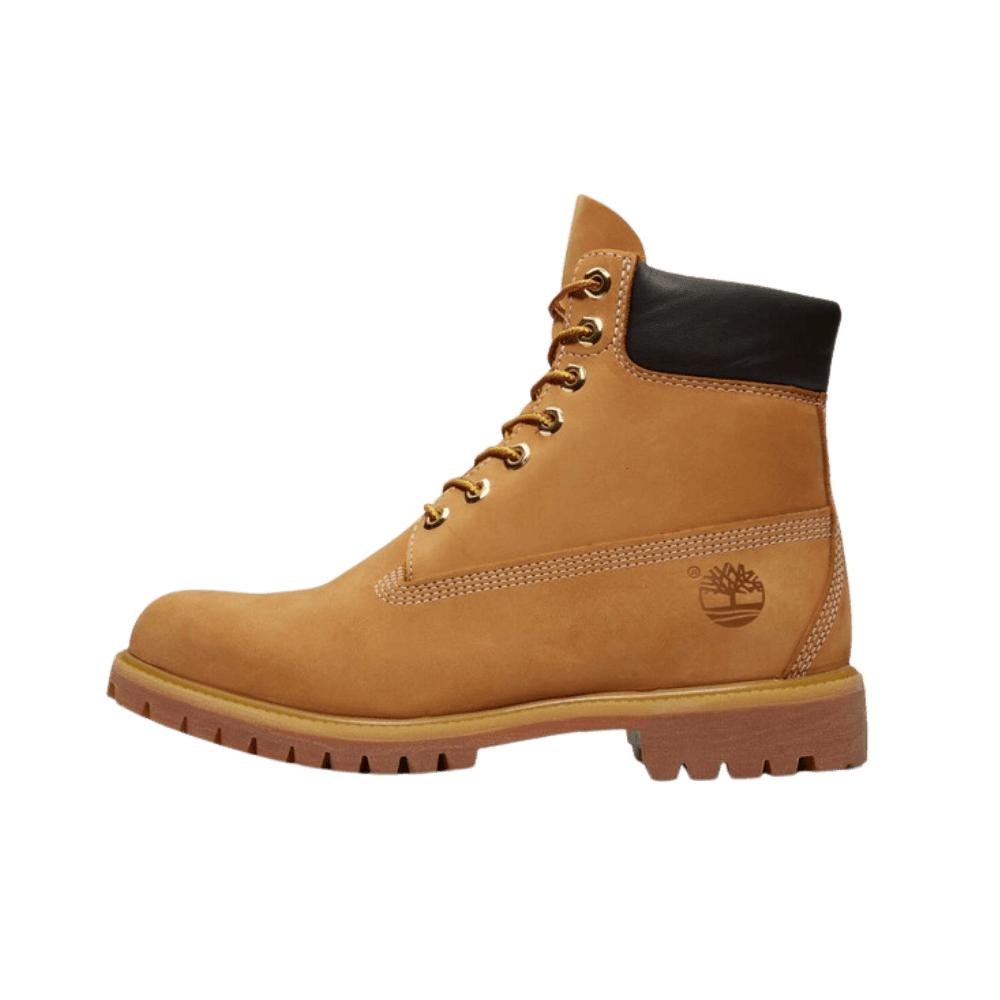
Since their release in 1973, Timberlands have come a long way to become one of the most recognisable silhouettes in fashion. You rarely have to question what pair of shoes you're looking at: the colour and shape give it away instantly. But before we jump into modern culture, we need to cover the basics.
In 1918, a shoemaker from Odesa, Ukraine, Nathan Swartz began his career in New England. In 1952, he purchased a stake in a Massachusetts-based footwear manufacturer. A few years later, Swartz took full control of the company and brought his sons into the business. For a time, the Abington Shoe Company produced solid leather footwear, but nothing revolutionary, until the 1960s, when new manufacturing technologies changed everything.
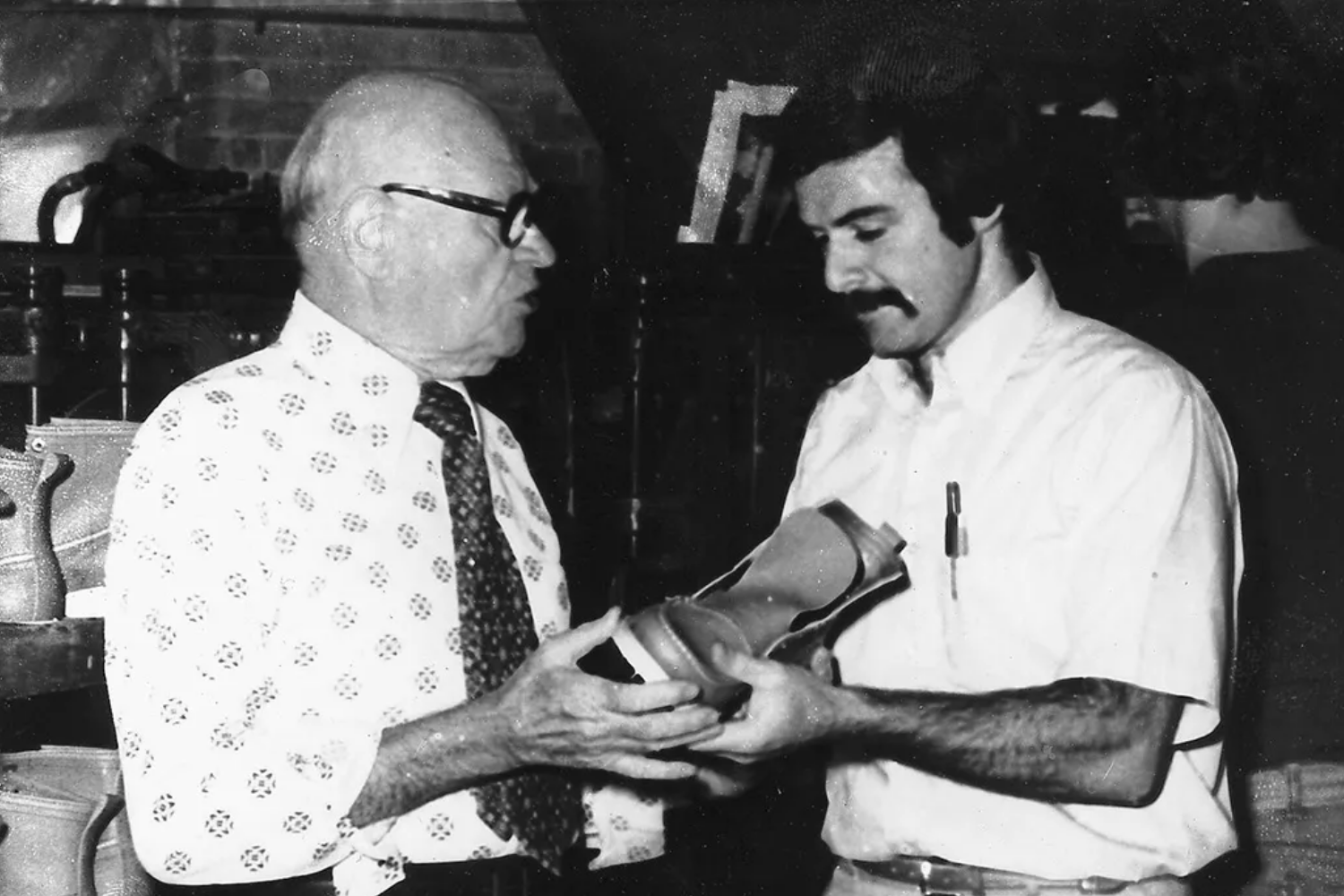
At the time, shoemaking was labour-heavy. Soles were stitched and glued to uppers, making true waterproofing nearly impossible. Legend has it that one worker experimented by sealing his leather boots with silicone to keep his feet dry. Swartz noticed, and the idea stuck. This innovation led to a fully waterproof boot, something that other shoe brands werent able to accomplish at the time of at the time.
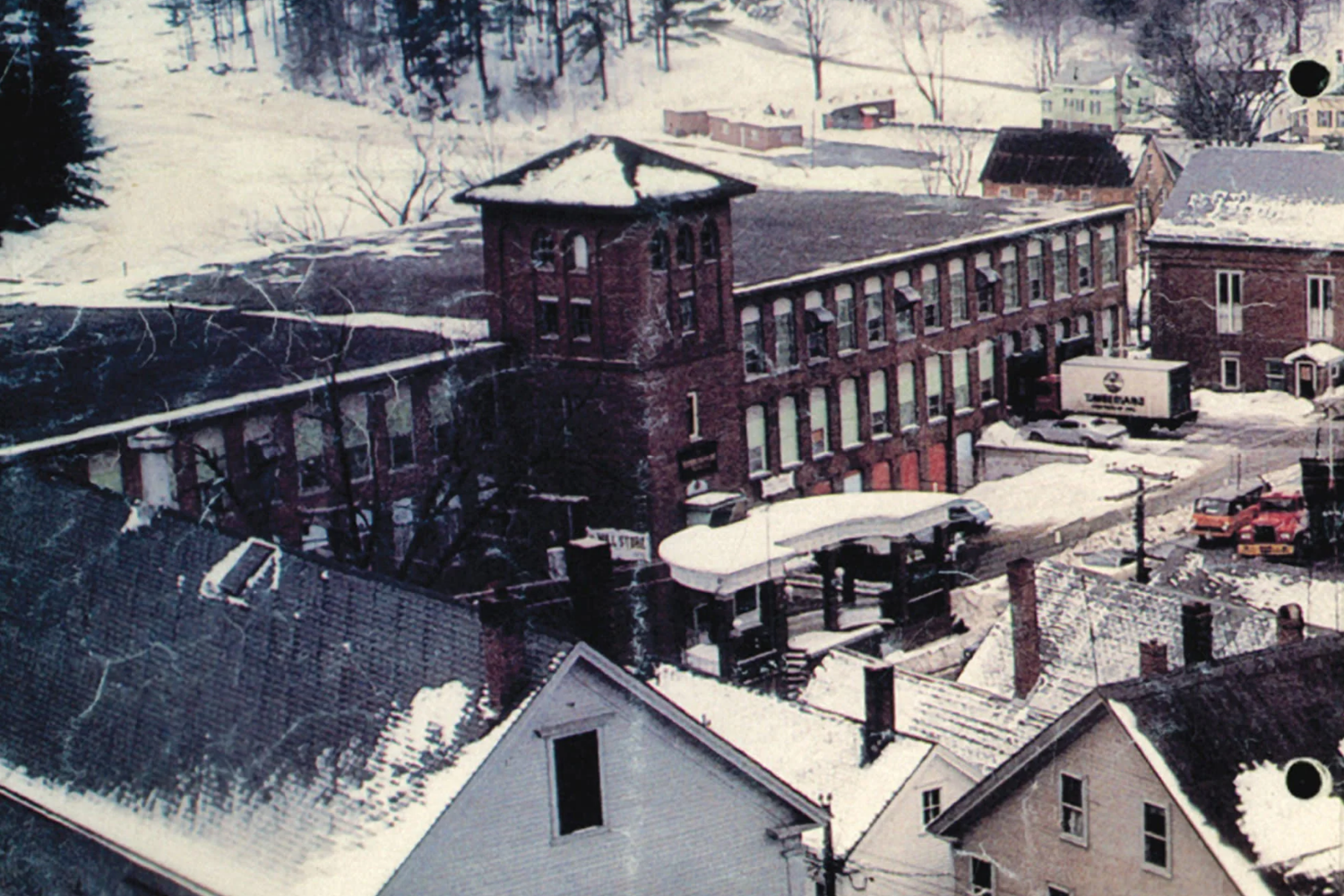
THE Timberland
In 1973, the company released its first fully waterproof leather boot: the model that would become known simply as the Timberland. In 1978, the company itself was renamed to Timberland—a small change that marked the transition from a regional manufacturer to a global brand.
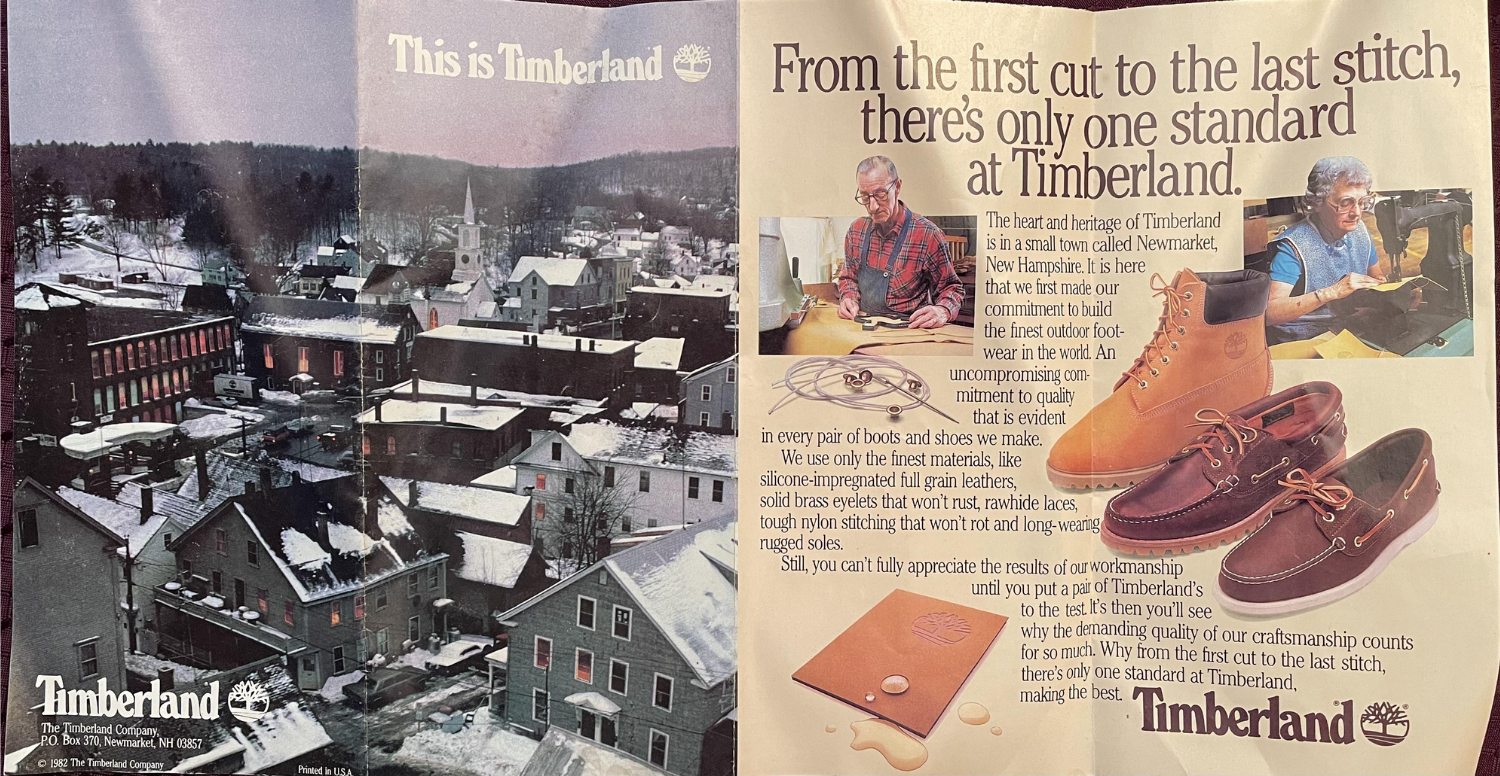
By the late 1970s, Timberland had repositioned itself around outdoor adventure. Hiking boots, boat shoes, and casual wear expanded the line, bringing the brand into the lives of outdoor enthusiasts. By the mid-1980s, Timberland had become what we recognise today: a major name in outdoor wear, trusted for durability and quality.
From Niche to Masses
But how did Timbs become such a powerful cultural symbol? The answer is simple: durability, quality, and visibility.
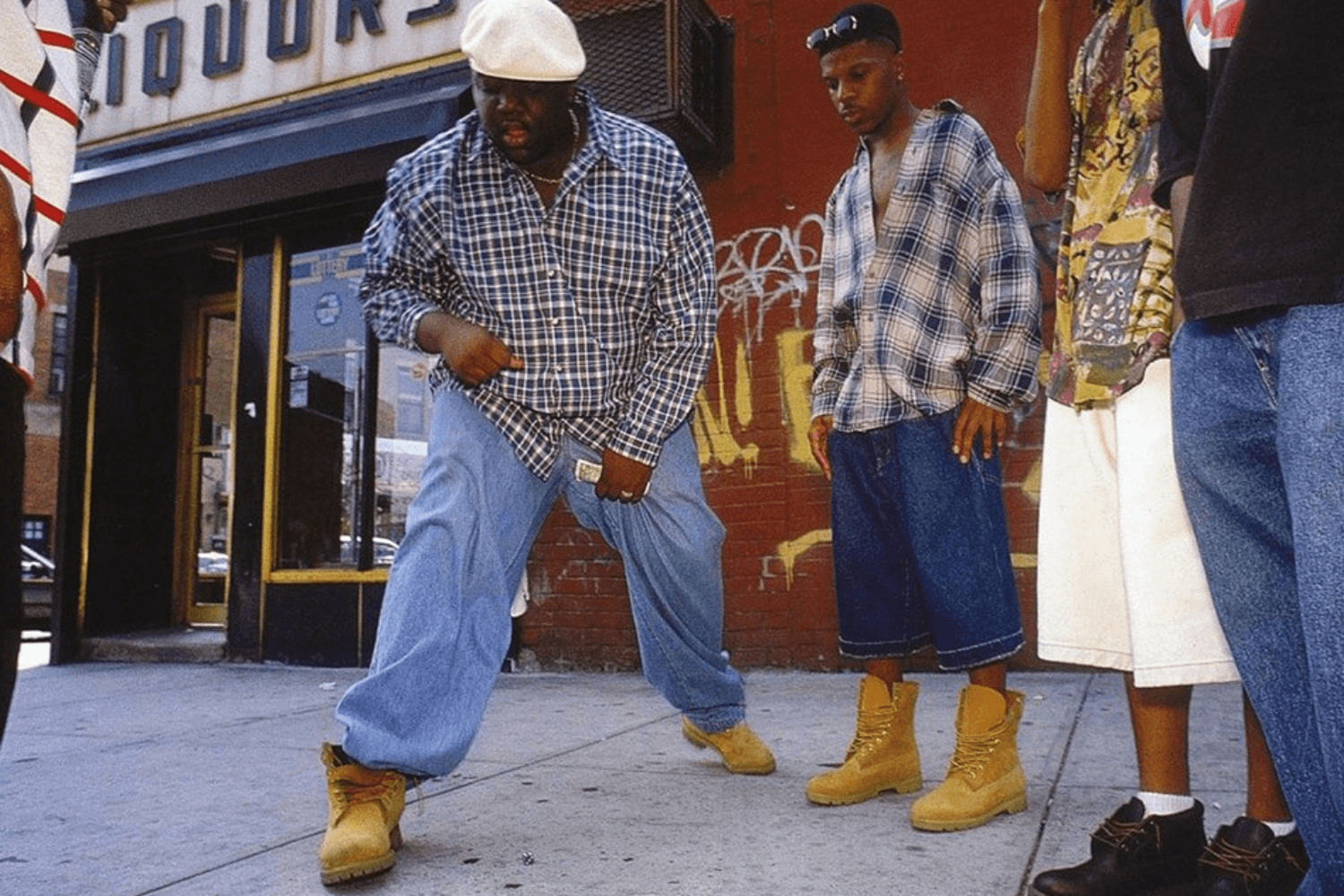
Built for harsh conditions, the boots were adopted by hustlers in neighbourhoods like Harlem, where long nights on concrete demanded footwear that could take a beating. Dealers wore them. Others copied them. Soon, Timbs became shorthand for toughness, authenticity, and street credibility.
By the 1990s, Timberlands had entered pop culture at full force. Hip-hop's rise placed the yellow boot on a global stage. Artists like Tupac and members of the Wu-Tang Clan wore Timbs both on and off stage, cementing their place in urban style. What began as a functional work boot became inseparable from hip-hop identity.
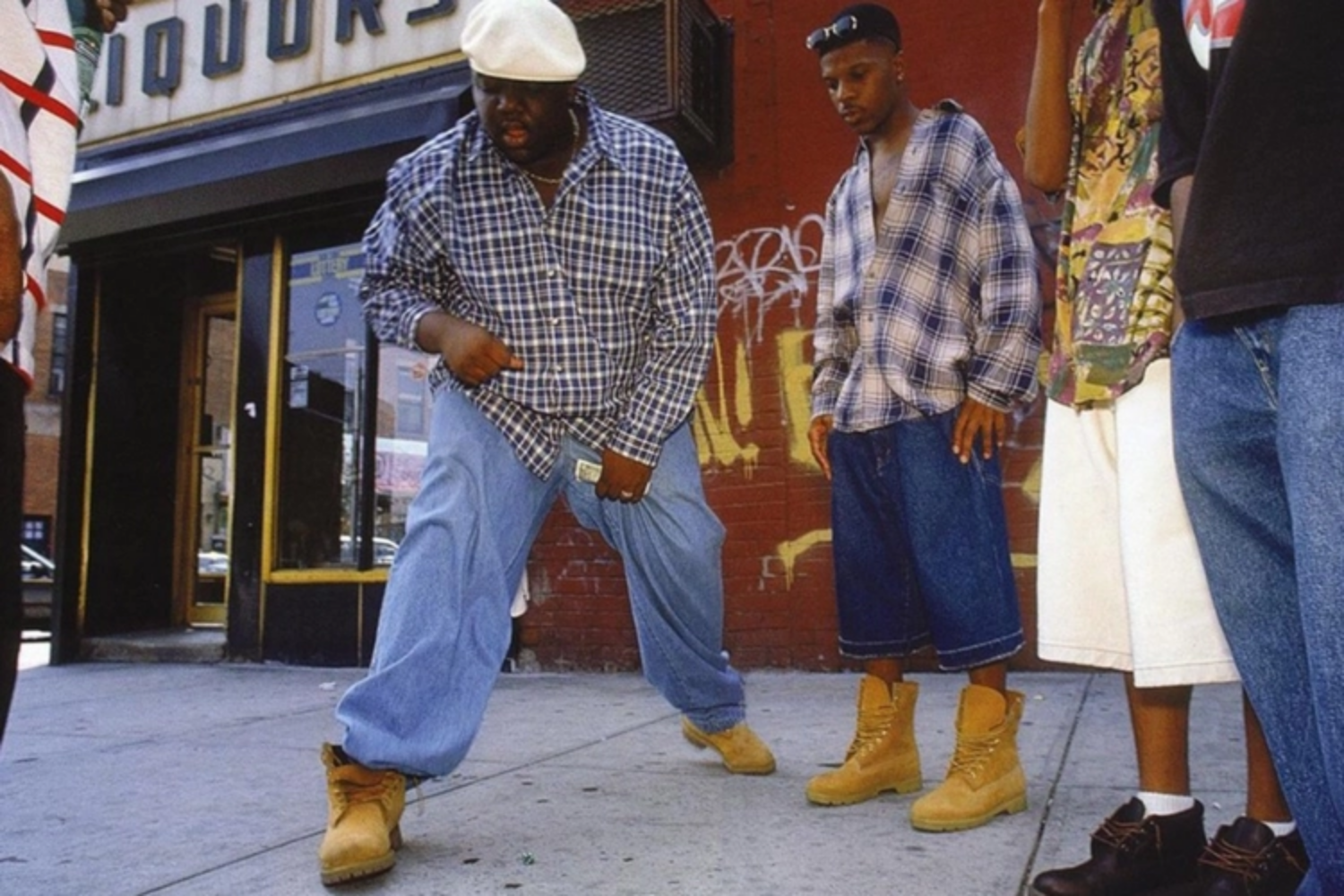
Workwear left construction sites and hiking trails and stepped into music videos, neighbourhoods, and fashion consciousness. Timberlands didn't abandon blue-collar roots; they carried them into culture.
Entering New Markets
The early 2000s marked Timberland's global expansion. The brand strengthened its presence in Europe and Asia, widened its product range, and introduced apparel and accessories alongside footwear—while keeping durability at its core.
During this period, Timberland also began addressing sustainability and corporate responsibility. The company launched eco-conscious product lines, explored recycled materials, and developed traceable sourcing systems. Environmental responsibility became, and remains, a core brand value.
Want to learn more about Timberlands Sustainable development and practices? Click the button below.
European Market
Timberland's European story began in the late 1970s, when Italian distributor Giuseppe Veronesi visited the factory in New England and ordered several thousand pairs. Veronesi, then president of Ritz Firma (linked to Louis Vuitton and Ralph Lauren's women's line), believed affluent Italians would adopt the boots as a fashion accessory.
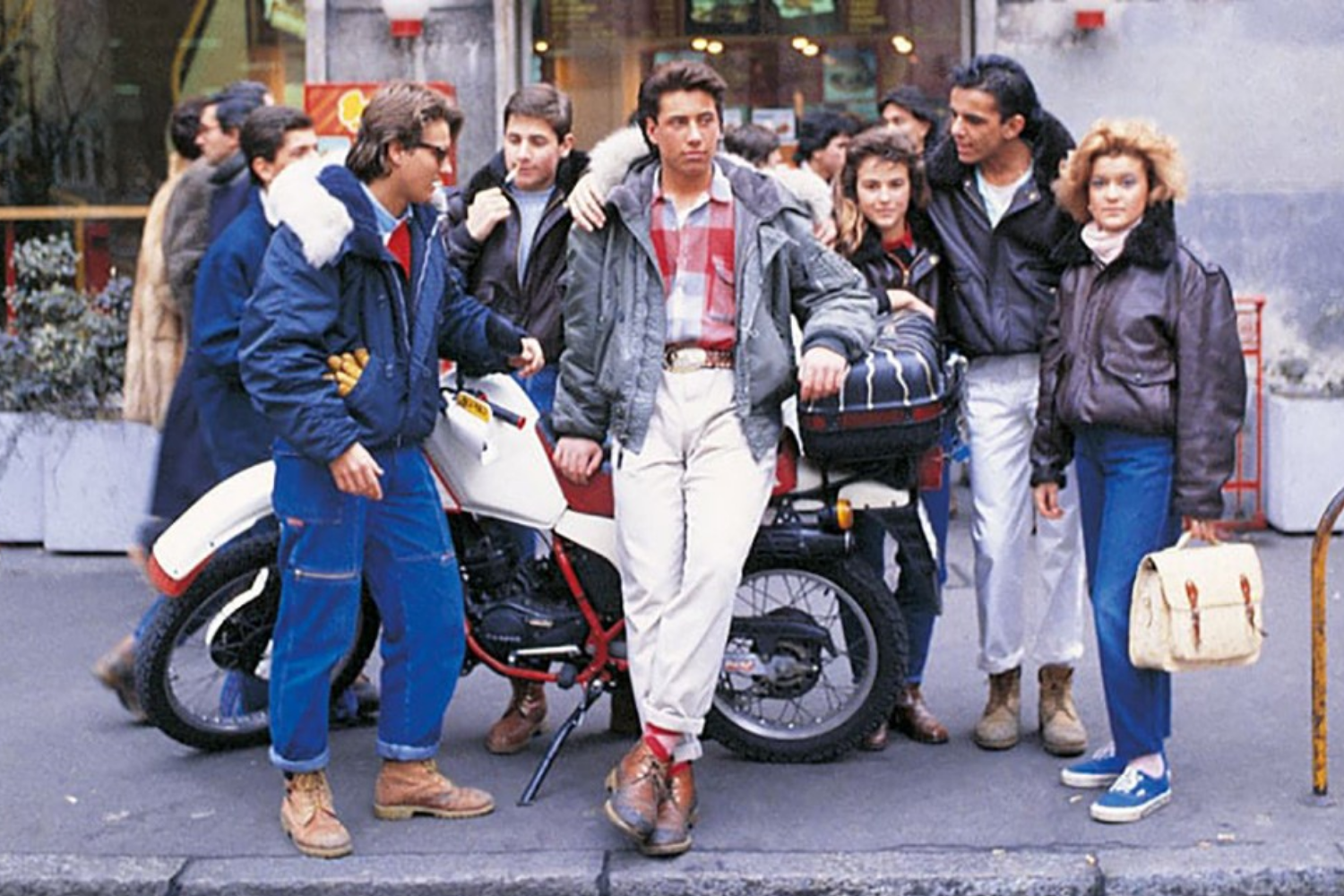
After testing the market in high-end stores in Milan and Rome, Timberlands quickly spread across Italy. European demand sparked renewed interest in the U.S., driving production to 1.8 million pairs by 1983. By the mid-1980s, Timberland was exporting to France, Germany, Switzerland, Hong Kong, and Turkey. Italian sales reached over half a million pairs by 1985, and global revenue climbed to $68 million.
Asian Market
Timberland's relationship with Asia developed more quietly, but just as meaningfully. The brand began building presence in Japan as early as the 1970s, with stronger distribution taking shape in the 1990s. China followed in 1992, marking Timberland's formal entry into one of the world's most influential consumer markets.
In Japan, Timberlands were embraced through a uniquely local lens. Japanese street culture has long been defined by precision, reverence for craft, and the recontextualisation of Western workwear. From denim to military jackets, utilitarian garments were elevated into lifestyle statements, and Timbs fit naturally into that tradition.
Japanese youth adopted the boots not as rugged outdoor gear, but as symbols of authenticity and edge. They appeared in hip-hop circles, street magazines, and carefully styled urban fits. The contrast between Timberland's rugged American roots and Japan's meticulous fashion culture gave the boot new meaning: it became both raw and refined.
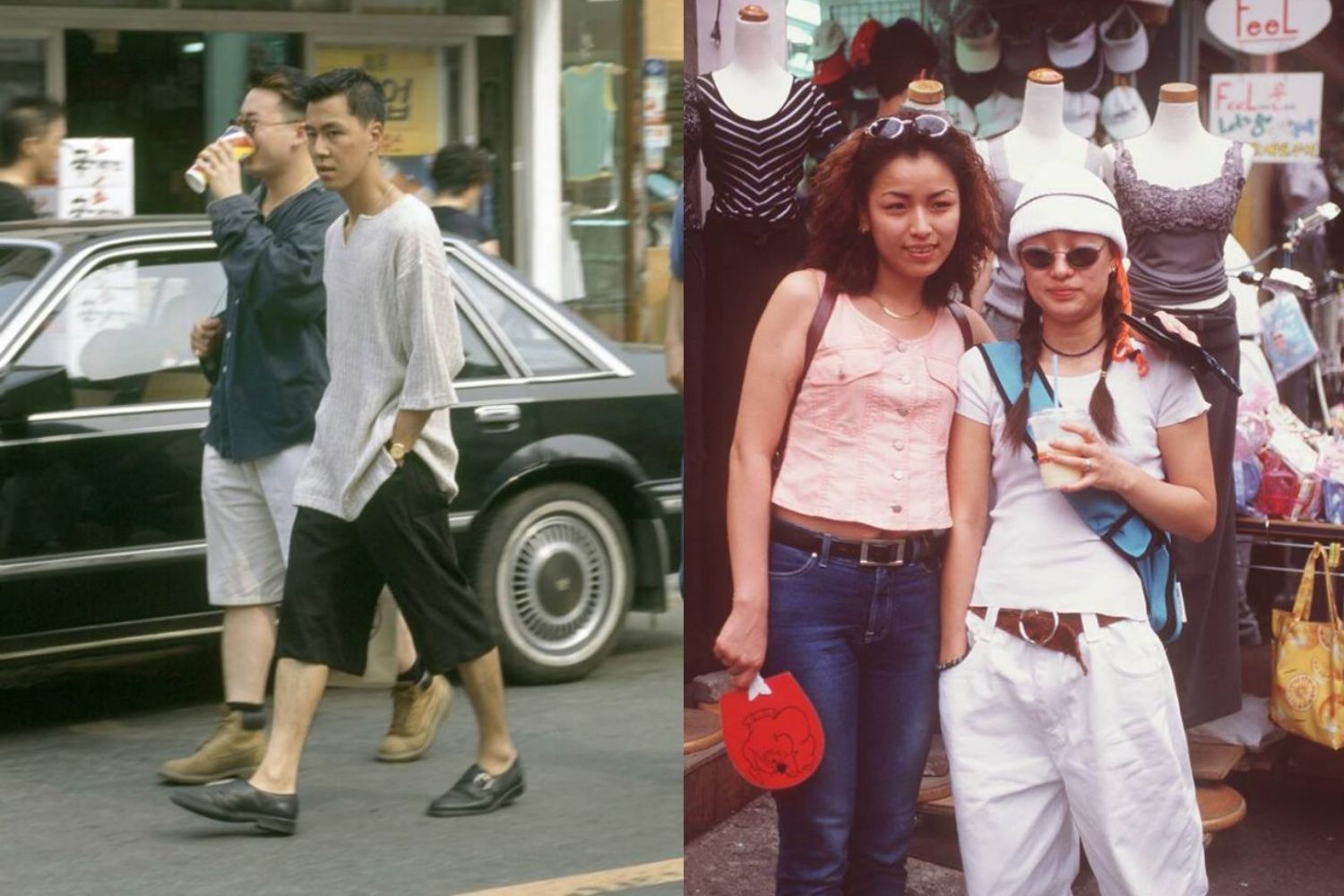
In China and across East Asia, Timberlands arrived alongside a growing appetite for Western streetwear and hip-hop culture. As urban youth looked outward for identity, the yellow boot carried with it the imagery of New York streets, rap music, and rebellion.
Asia didn't merely consume Timberland. It reinterpreted it. The boot became a bridge between American workwear and global youth culture.
Big Fashion World and Yellow Boots
For decades, Timberlands lived outside the fashion system. They didn't need runways. They already belonged to the culture. But in the 2010s, fashion came knocking.
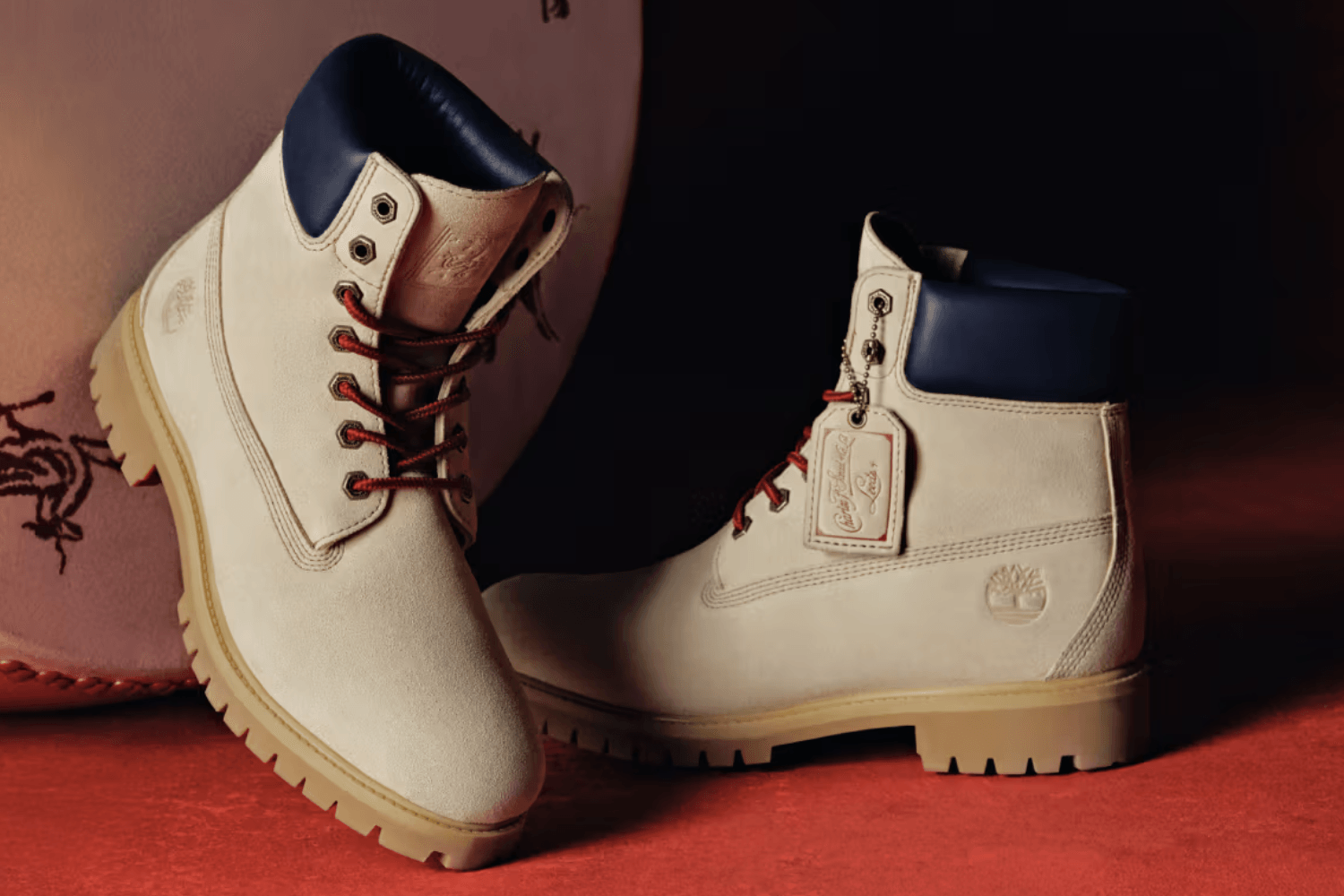
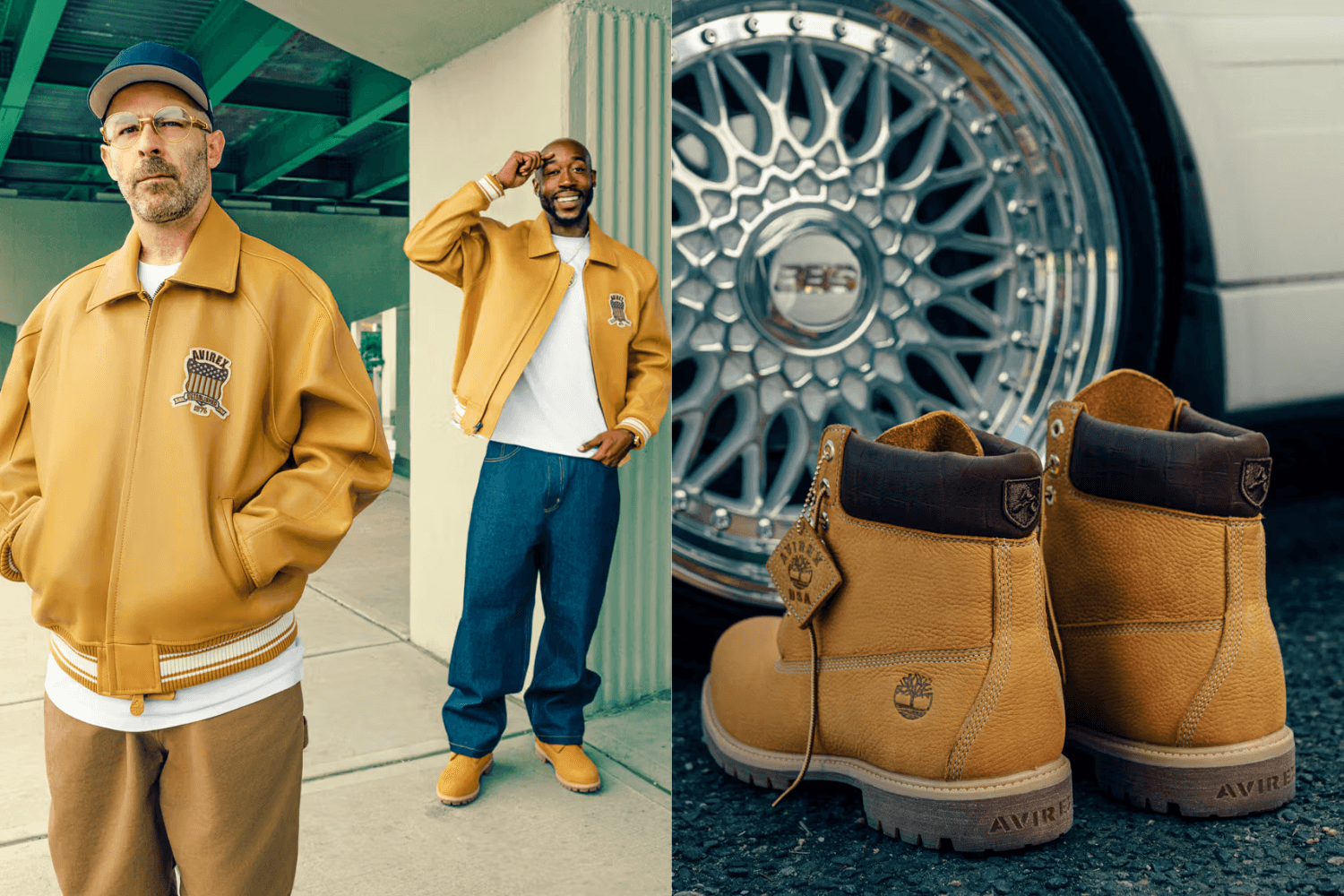
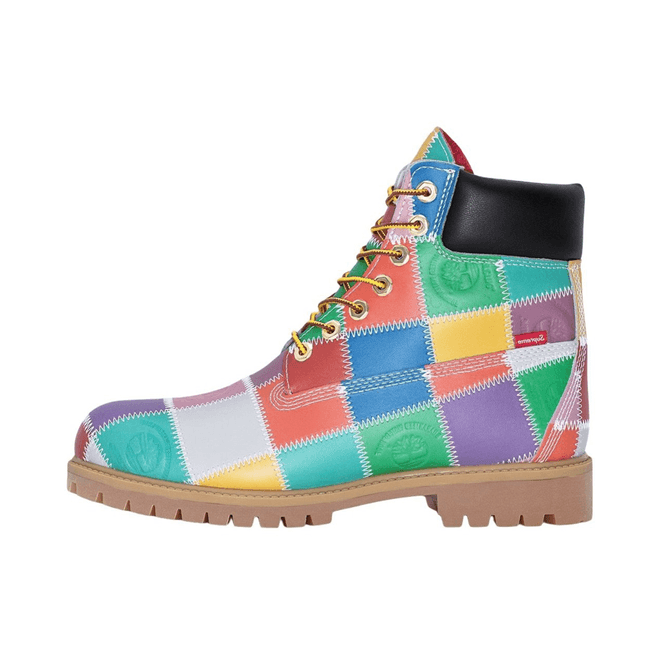
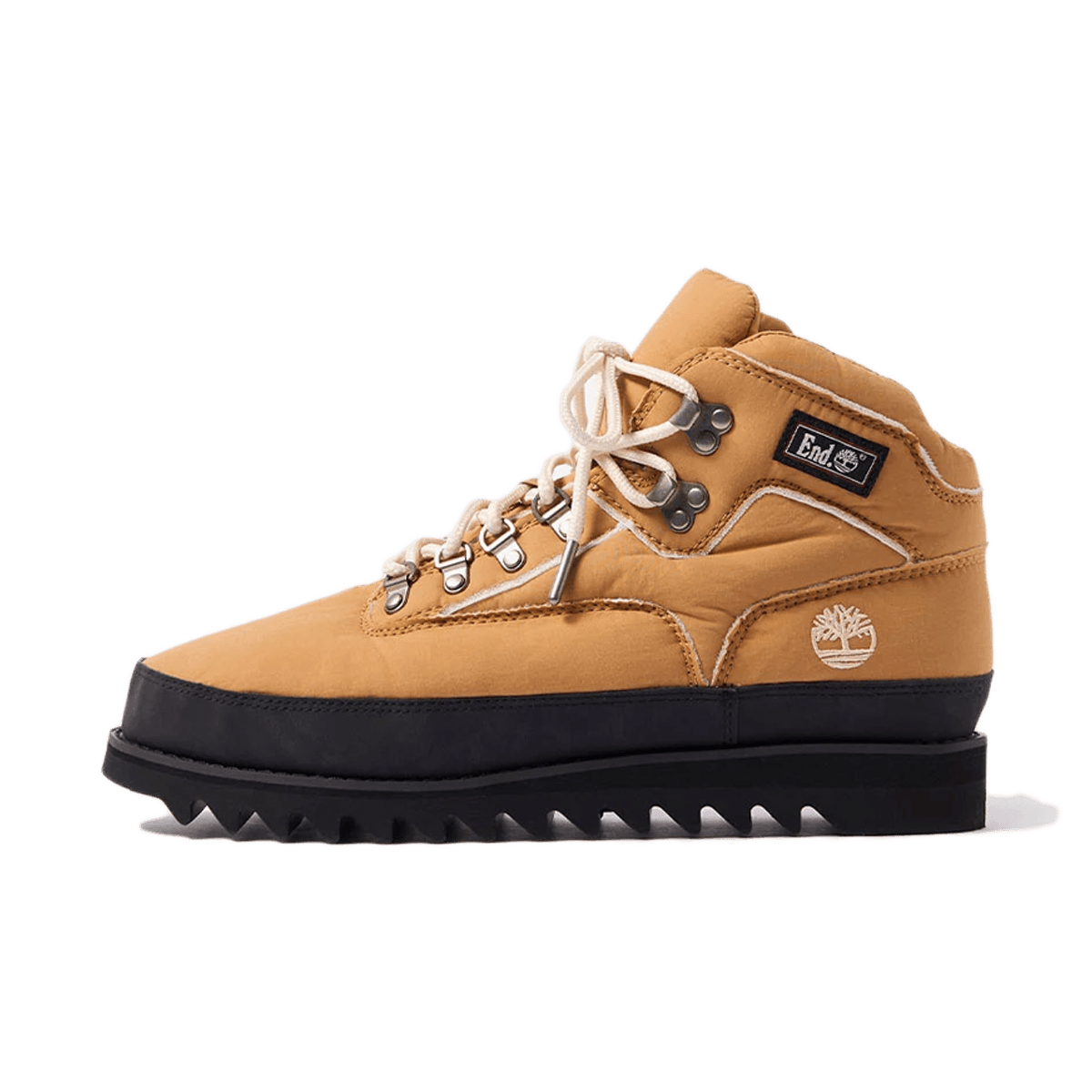
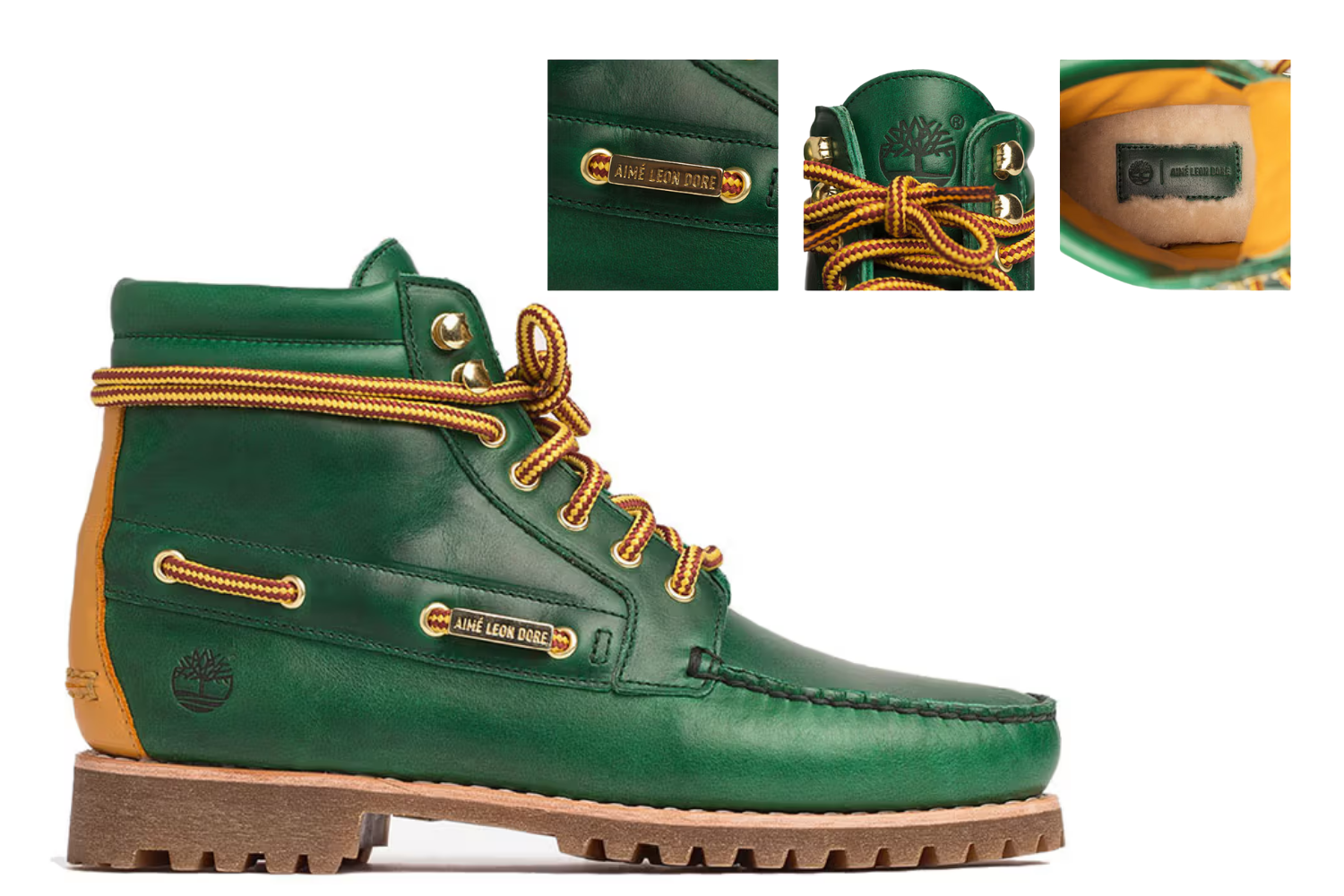
Collaborations with brands like Supreme, Off-White, Aimé Leon Dore, A-COLD-WALL*, and Veneda Carter reframed the yellow boot for a new generation. Designers didn't redesign Timberlands: they respected them. Most collabs preserved the core silhouette, altering materials, textures, or narratives rather than the form itself.
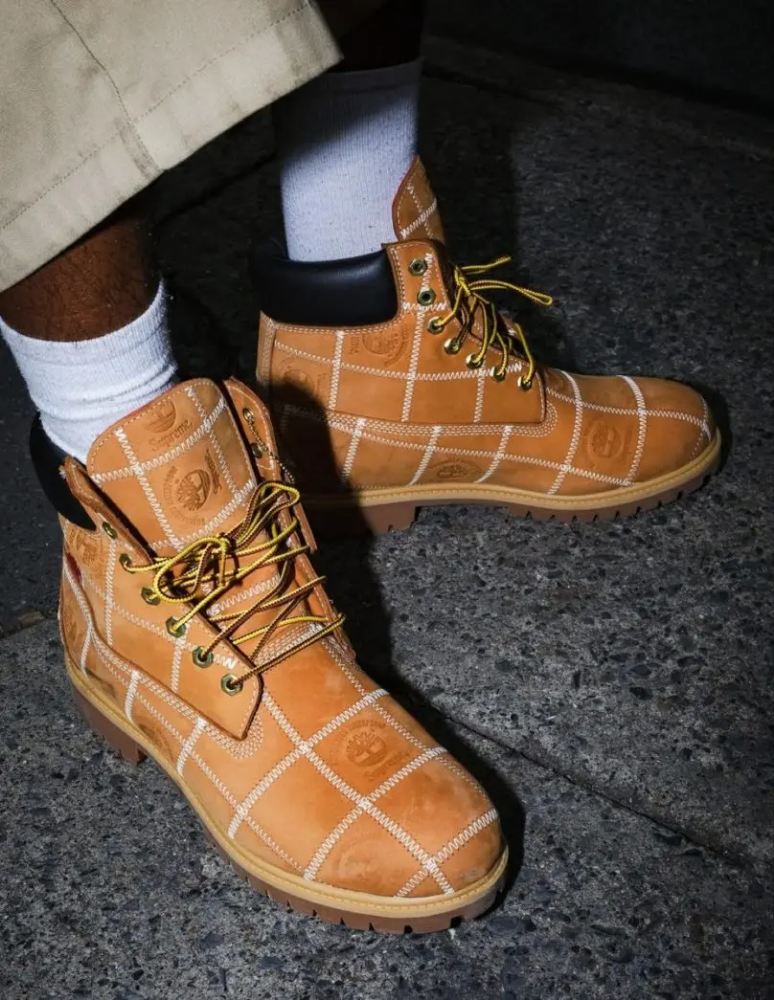
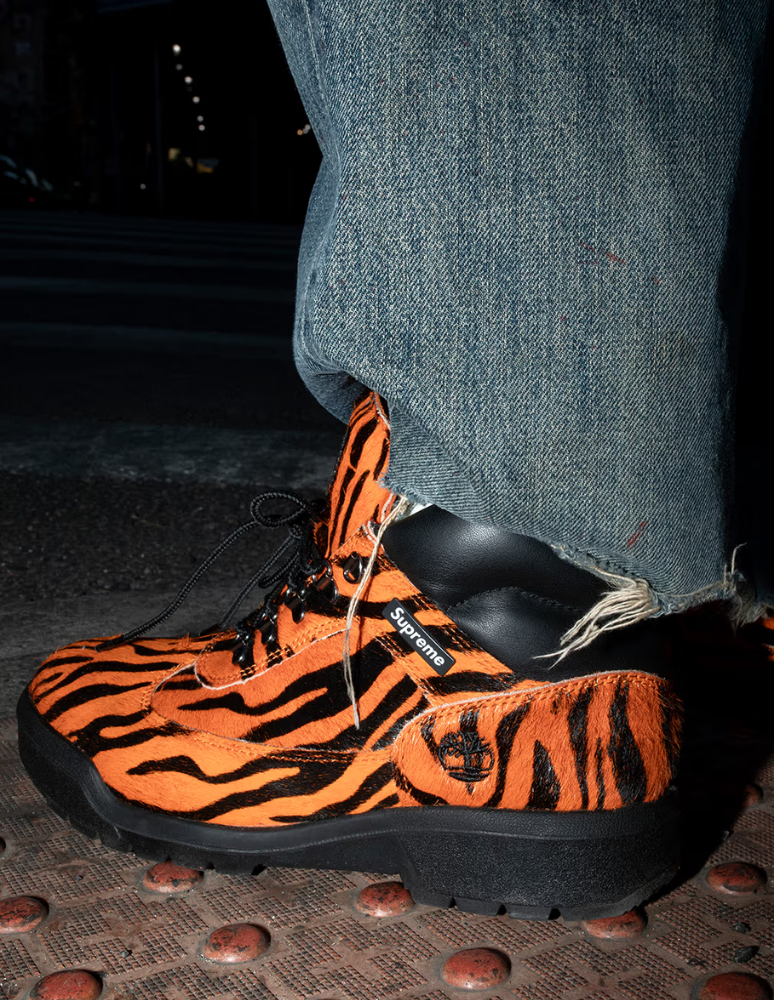
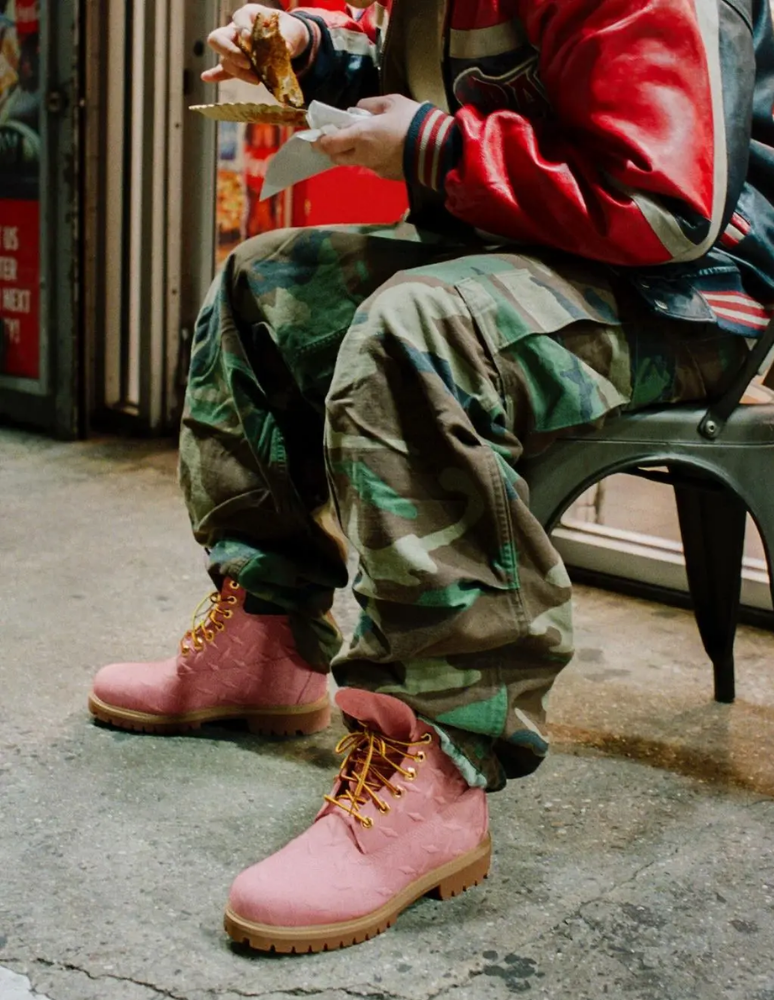
Supreme's repeated partnerships turned Timbs into hype objects. Off-White positioned them within luxury streetwear. Aimé Leon Dore connected them to nostalgia and New York heritage. Each collaboration translated the boot into a new fashion language without erasing its roots.
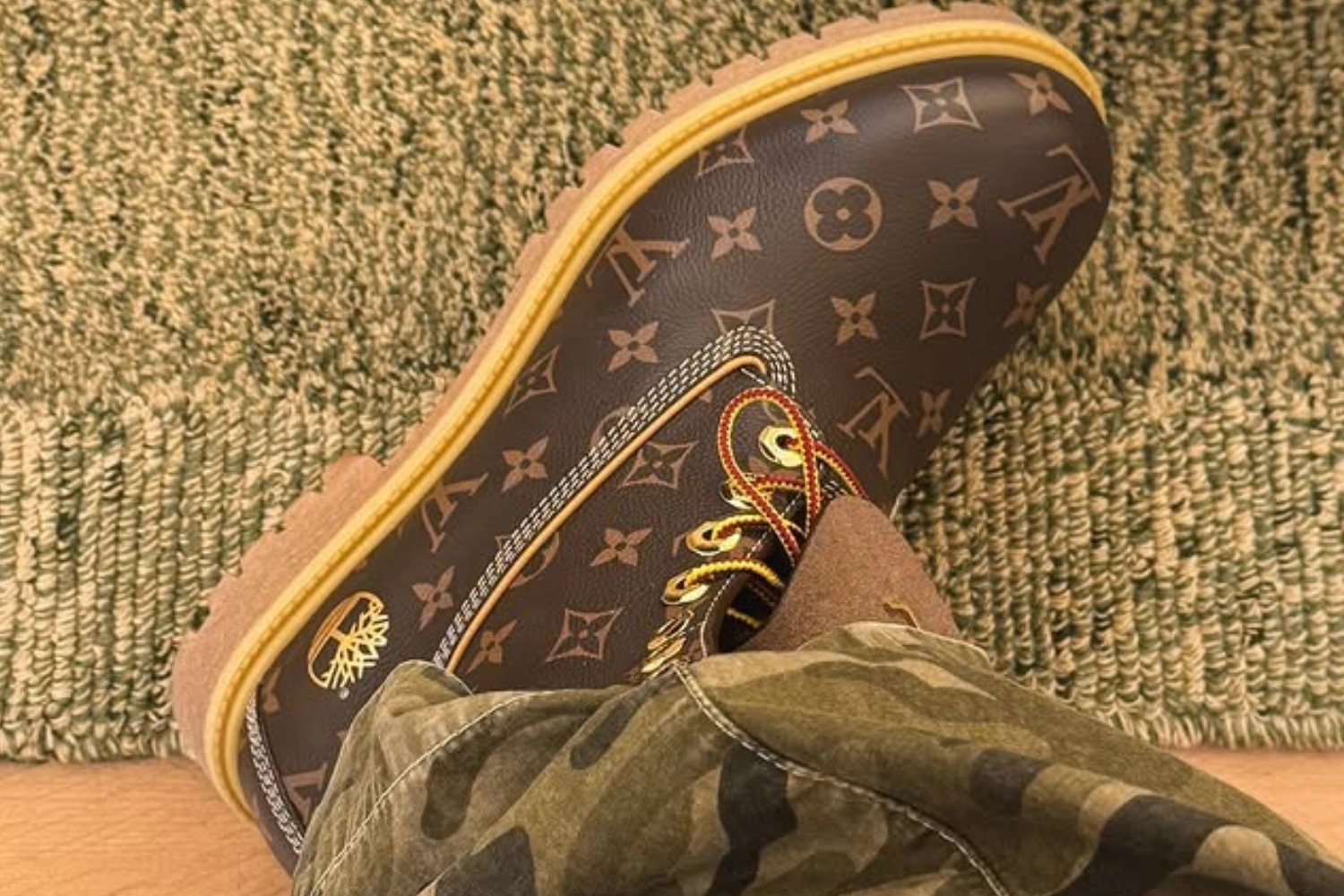
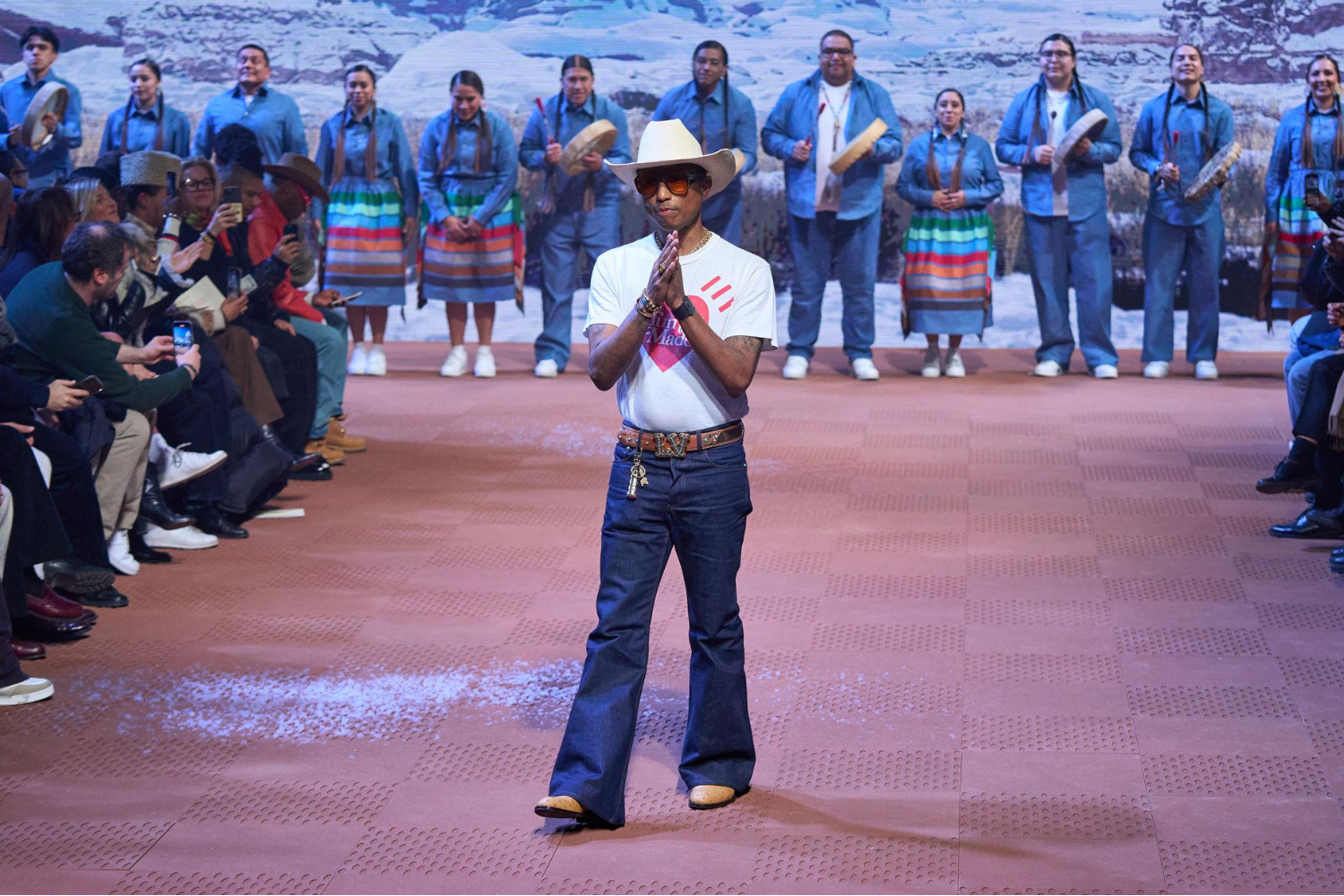
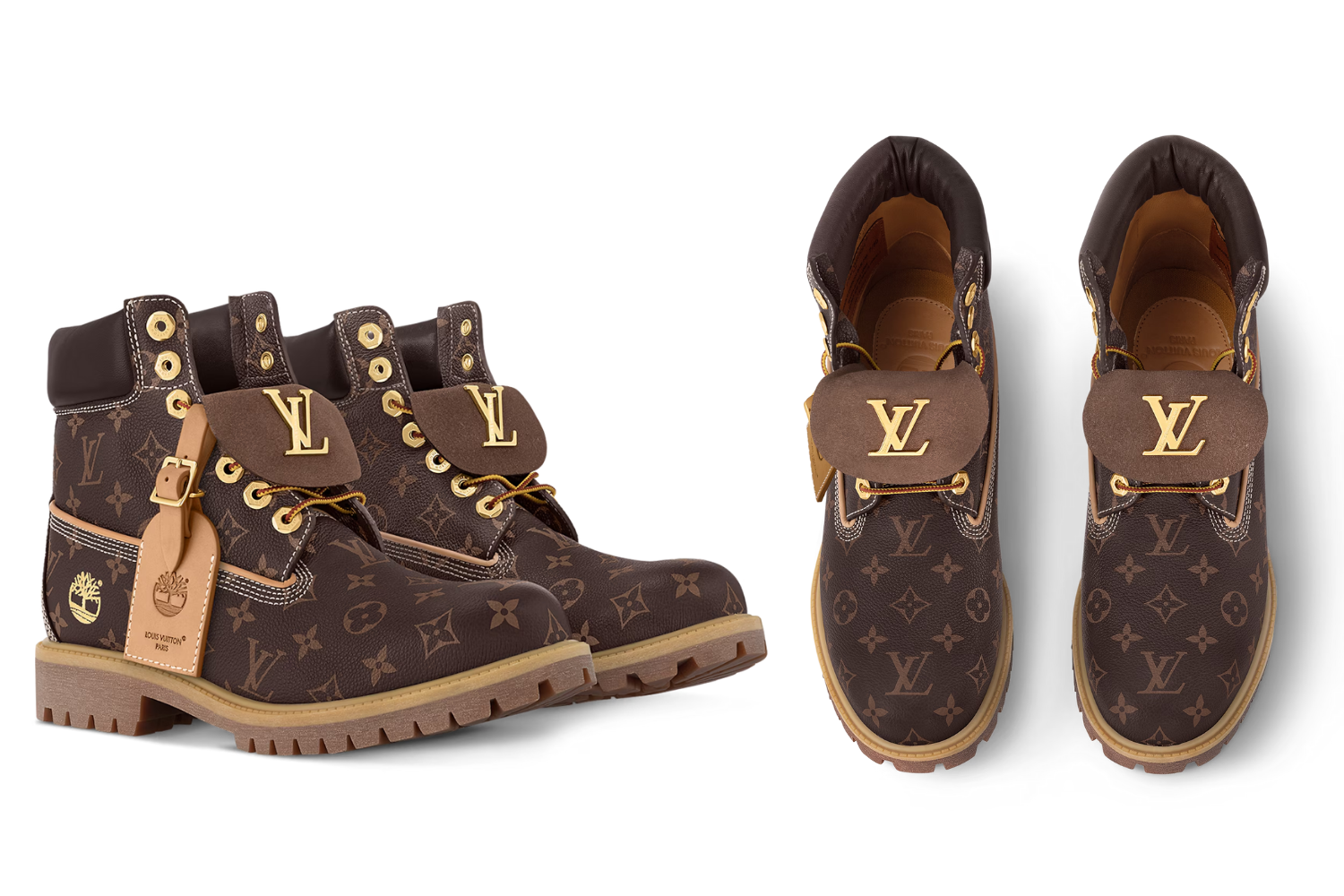
In 2024, Pharrell sent Timberlands down the Louis Vuitton runway in Paris. This wasn't a subtle nod, it was a full-circle moment. The same yellow boot that once stood for grit and street credibility was now being made in Louis Vuitton's atelier, with high-end materials, polished leather, and luxury-level detail. It didn't feel ironic. It felt earned.
Timberlands didn't become fashionable by changing who they were. Fashion changed by recognising what they already meant.
Timbs Today
Today, Timberland exists in a layered space between heritage, culture, and fashion. The brand still produces rugged work boots. It still outfits hikers and tradespeople. But it also lives in streetwear, on runways, and in digital culture.
Timbs are worn by rappers and students, stylists and construction workers. They move between generations and geographies without losing identity. In an era obsessed with reinvention, Timberland's power lies in consistency.
The yellow boot hasn't changed much in fifty years, and that's exactly why it still works...